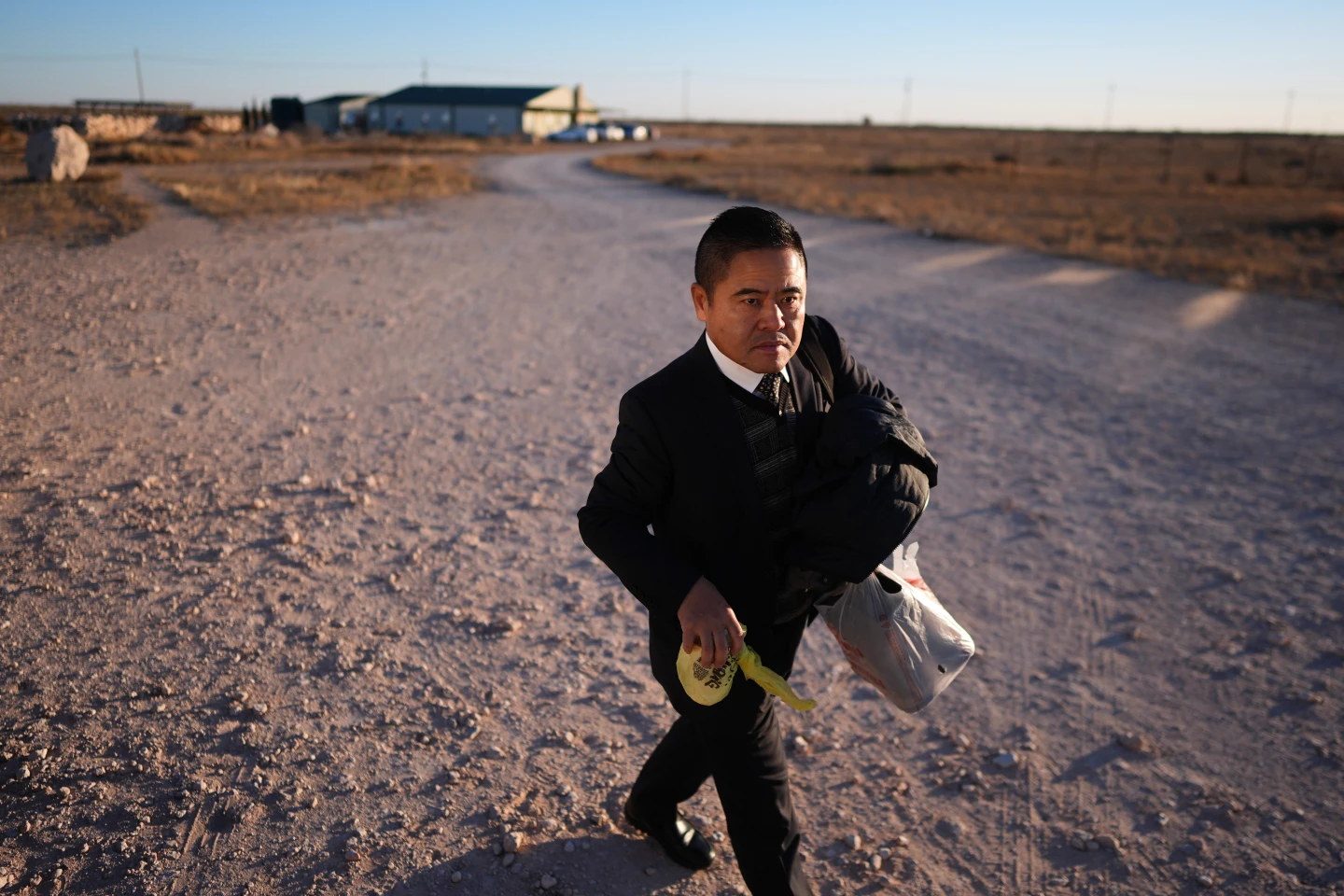
MIDLAND, Texas (AP) — Li Chuanliang was enjoying a much-needed respite from cancer treatments on a Korean resort island when everything changed. An urgent call sent him into a panic: he needed to flee China as officials were closing in, marking him as a fugitive.
Now, even in the U.S., he isn't safe. The Chinese government relentlessy pursues him, employing advanced surveillance technology to monitor his communications, track his relatives, and seize his assets. Li's story becomes a testament to the reach of China's surveillance state.
“They track you 24 hours a day... You’re under their control,” he explained, reflecting the chilling reality of living under such constant scrutiny.
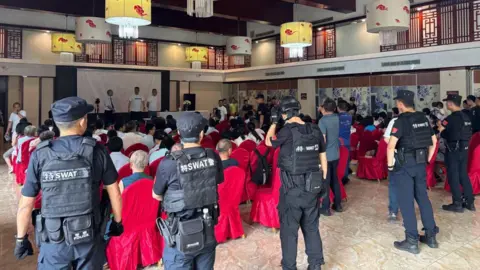
The Chinese regime has expanded the use of surveillance technology not just to control its citizens but to target those who escape. Operations like Fox Hunt and Sky Net highlight efforts to forcibly return dissidents, leveraging technology that originated in the U.S.
Critics argue that this technology is less about cracking down on corruption and more about suppressing dissent, instilling fear among those considering deflection. Li found himself in the eye of this storm after exposing corrupt officials during his tenure, marking himself as a target.
“Every step your relatives take is being monitored,” he warned, presenting a sobering reminder that escaping authoritarian control is nearly impossible.
As the grip of surveillance tightens, Li’s future remains uncertain in a land that was supposed to offer him sanctuary. His journey serves as a chilling example of the lengths a government will go to in order to maintain its power.