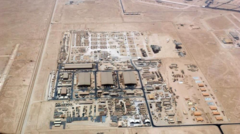
Iran launched a missile attack on the Al-Udeid US military base in Qatar, marking a significant escalation in hostilities in the region. This act was labeled by Iran as retaliation for recent US airstrikes that targeted its nuclear facilities. Witnesses from Doha reported hearing loud bangs as Iran's missiles attempted to breach defenses, with videos capturing bright flashes in the night sky during intercept attempts.
US President Donald Trump commented on the attack, calling it "weak" and an expected response, while emphasizing that no lives were lost. Following the incident, a ceasefire between Israel and Iran was announced, which Trump hailed as a potential pathway to peace. However, Iranian military sources asserted their right to respond to any threats against their sovereignty, stating that US bases represent vulnerabilities rather than strengths.
Despite varying reports about the number of missiles fired—Iran claiming six, the US noting fourteen, and Qatar reporting nineteen—all missiles were reportedly intercepted. Importantly, no casualties were reported due to prior warnings from Iran that helped mitigate potential harm.
Qatar's foreign ministry expressed surprise at the attack, labeling it an infringement of its sovereignty, while Iran's Supreme Leader reiterated their stance of resisting any violation. In a related development, Israel accepted the ceasefire invitation, but warned of a strong response to any breaches.
As regional tensions rise, the world watches closely for further developments in this ongoing confrontation between Iran and the US, particularly in light of recent military actions by Israel aimed at curtailing Iran's nuclear ambitions.
US President Donald Trump commented on the attack, calling it "weak" and an expected response, while emphasizing that no lives were lost. Following the incident, a ceasefire between Israel and Iran was announced, which Trump hailed as a potential pathway to peace. However, Iranian military sources asserted their right to respond to any threats against their sovereignty, stating that US bases represent vulnerabilities rather than strengths.
Despite varying reports about the number of missiles fired—Iran claiming six, the US noting fourteen, and Qatar reporting nineteen—all missiles were reportedly intercepted. Importantly, no casualties were reported due to prior warnings from Iran that helped mitigate potential harm.
Qatar's foreign ministry expressed surprise at the attack, labeling it an infringement of its sovereignty, while Iran's Supreme Leader reiterated their stance of resisting any violation. In a related development, Israel accepted the ceasefire invitation, but warned of a strong response to any breaches.
As regional tensions rise, the world watches closely for further developments in this ongoing confrontation between Iran and the US, particularly in light of recent military actions by Israel aimed at curtailing Iran's nuclear ambitions.