In brief
Health experts urge caution but say the risk to the public remains low.
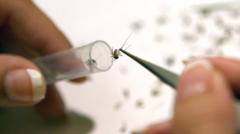
West Nile virus has made its first appearance in UK mosquitoes, marking a significant health finding. Officials from the UK Health Security Agency (UKHSA) reported discovering virus fragments in Aedes vexans mosquitoes collected in Nottinghamshire. While the virus primarily spreads between birds, humans can be infected through mosquito bites. Luckily, there’s no evidence of human transmission in the UK, and the public risk is deemed "very low." The geographical rise of the virus is linked to climate change, prompting these insect species to migrate north. Symptoms in infected humans can range from mild to severe, with some cases leading to neurological complications. The UKHSA has noted that no native UK mosquitoes are currently spreading the virus; however, it's crucial to stay vigilant. The current detection serves as a wake-up call about the changing landscape of infectious diseases in the UK, as experts stress the importance of monitoring these developments. With warmer conditions potentially allowing non-native mosquito species to thrive, health authorities are on alert and recommend preventative measures like eliminating stagnant water sources and using mosquito repellents.