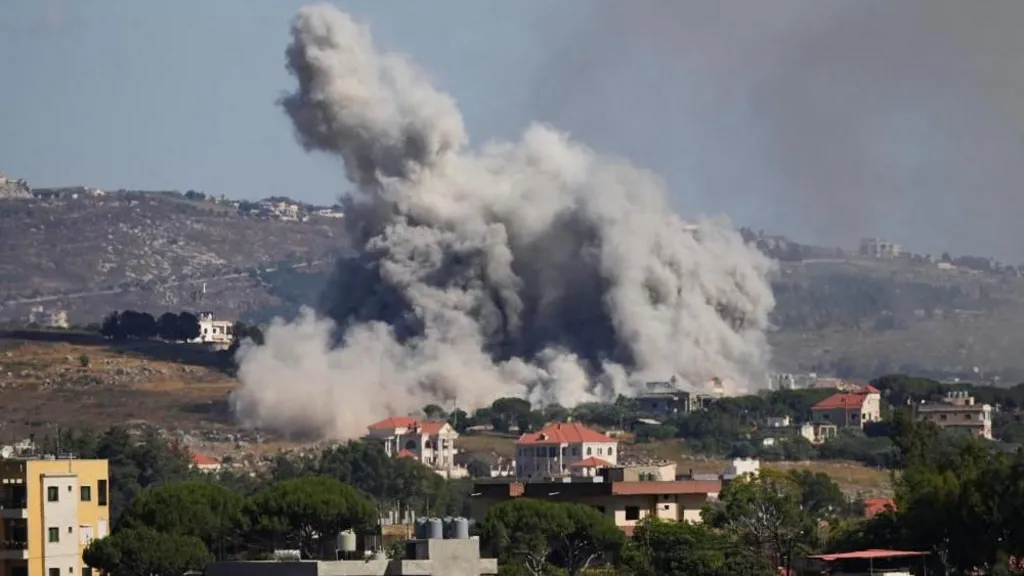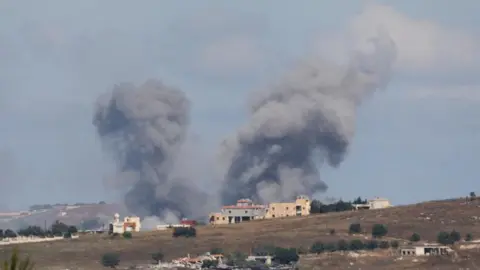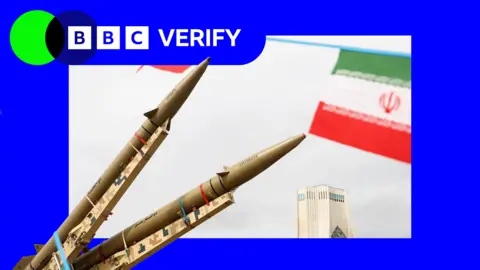
The Houthis held their fire for the first four weeks of the war, despite their affiliation with and backing from Iran. However, the movement that still holds the Yemeni capital, Sanaa, has fired missiles toward Israel, claiming to target 'sensitive Israeli military sites.'
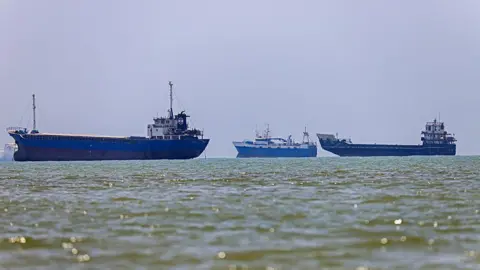
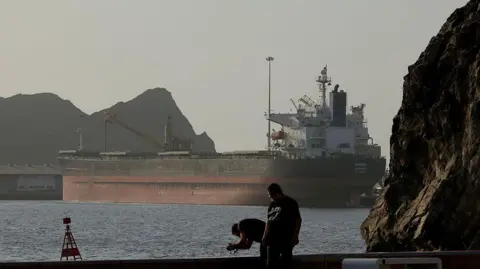
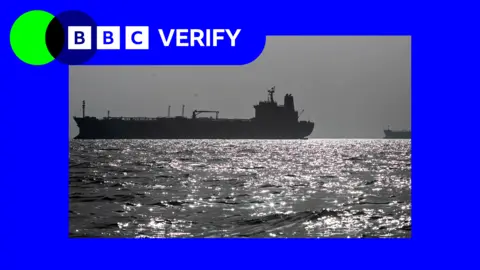
Despite their threats to Israel being less significant than those from Iran, the Houthis pose a more substantial risk to shipping off the coast of Yemen. Their previous attacks on shipping through the Bab al-Mandab strait endangered a vital commercial maritime route, and a repeat could inflict severe damage on the global economy.
Combined with Iran's assertive posture in the Strait of Hormuz, the potential closure of these two major waterways would severely impact trade and energy supplies worldwide. Moreover, the Houthis could expand their attacks to target military and energy facilities in Gulf Arab neighbors, like Saudi Arabia and the UAE, continuing a pattern of regional destabilization.
Historically, such actions led to intense retaliatory strikes from the U.S. and Israel against Houthi leadership, but they seem to have weathered these assaults. The question remains whether the Houthis are willing to escalate their involvement further. While they received regional support when attacking in solidarity with Hamas, the same may not apply for operations supporting Iran.
Yemen has enjoyed a relative calm in recent months, but a deeper military engagement by the Houthis in the conflicts with the U.S. and Israel could trigger an internal upheaval, reigniting violence within Yemen itself.
If the Houthis continue to intensify their aggressions, we may witness an escalation that could reshape the contours of this conflict and impact global supply routes significantly.