India’s ‘Cockroach' Protest: Youth Demand Education Minister’s Resignation
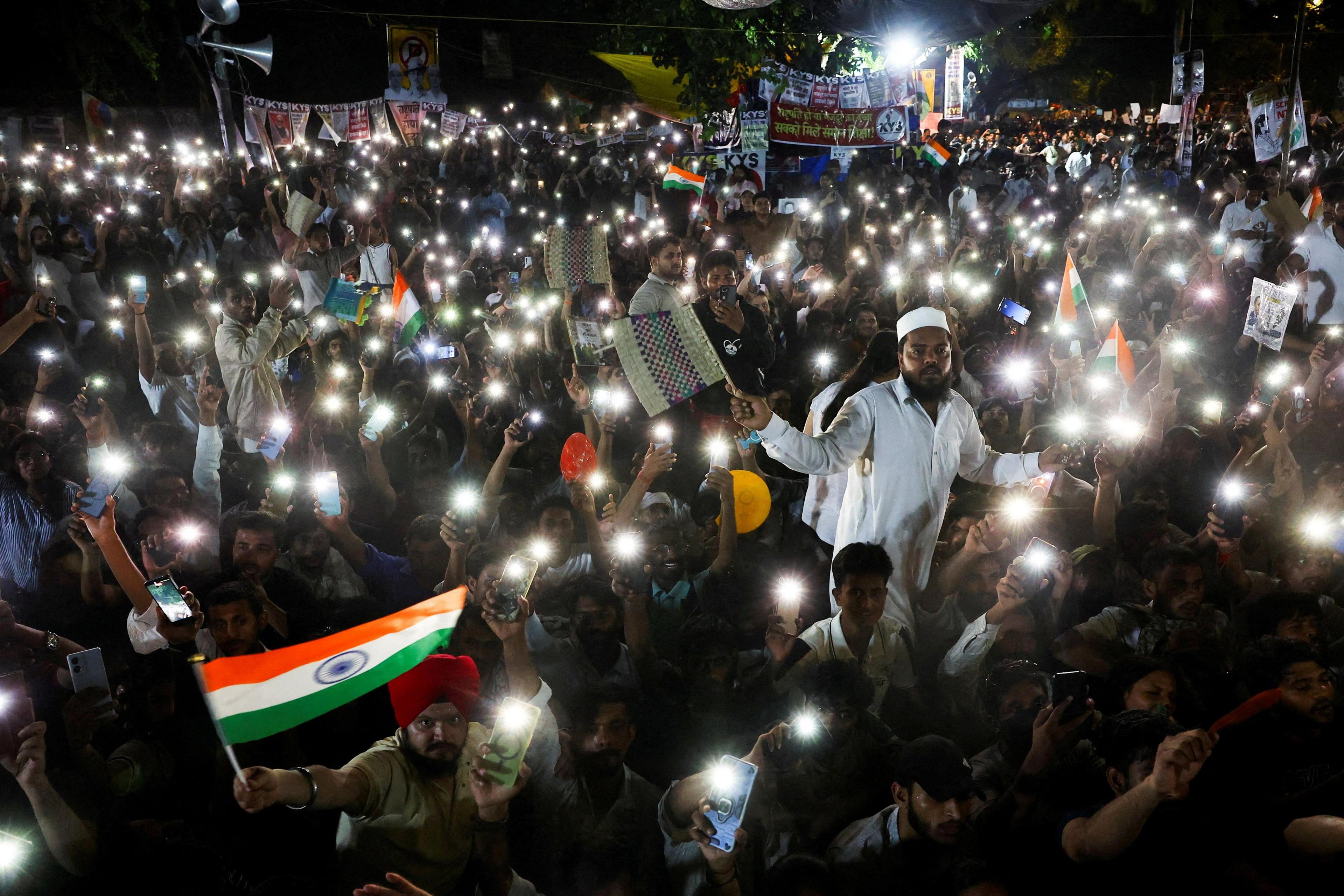
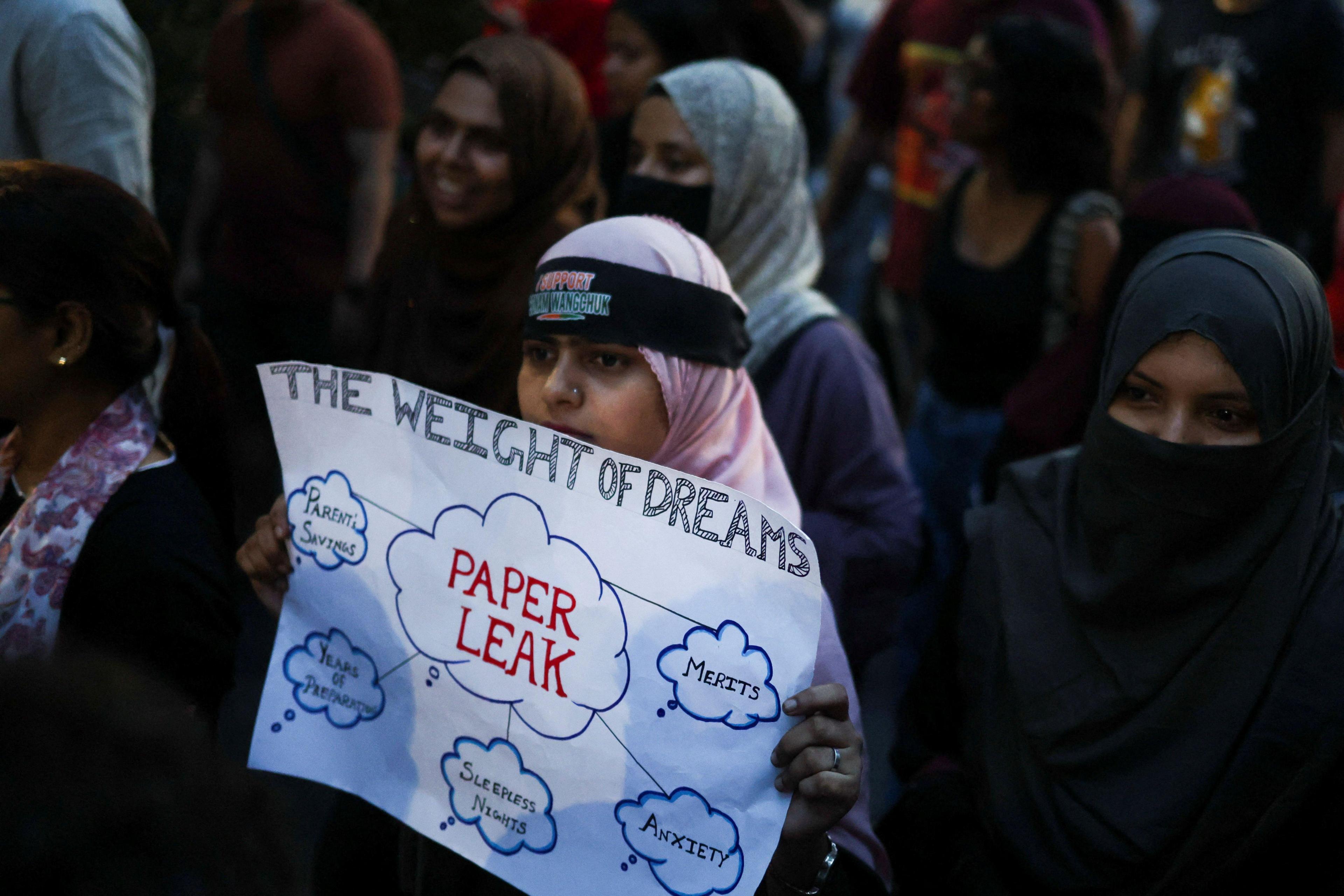
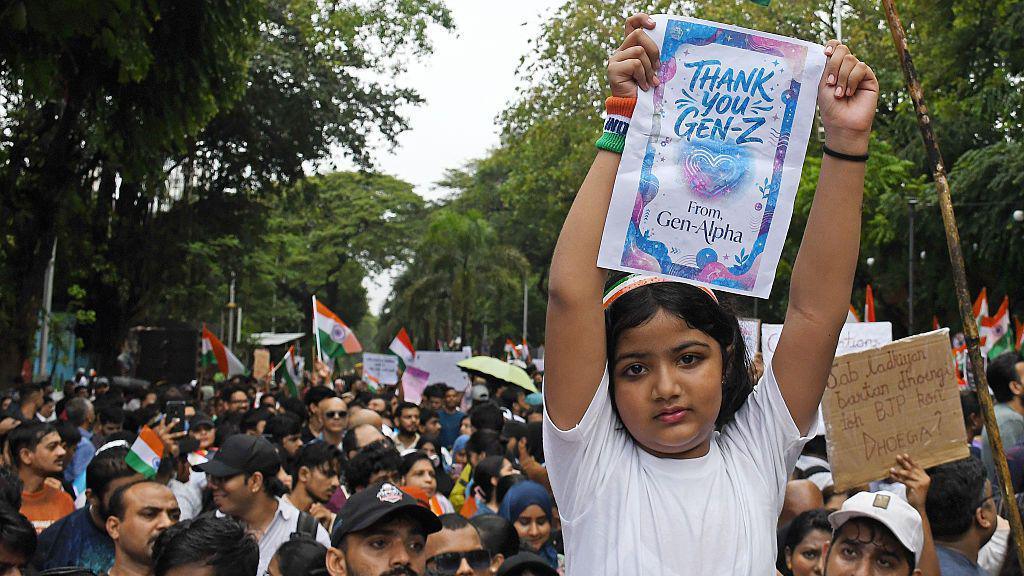
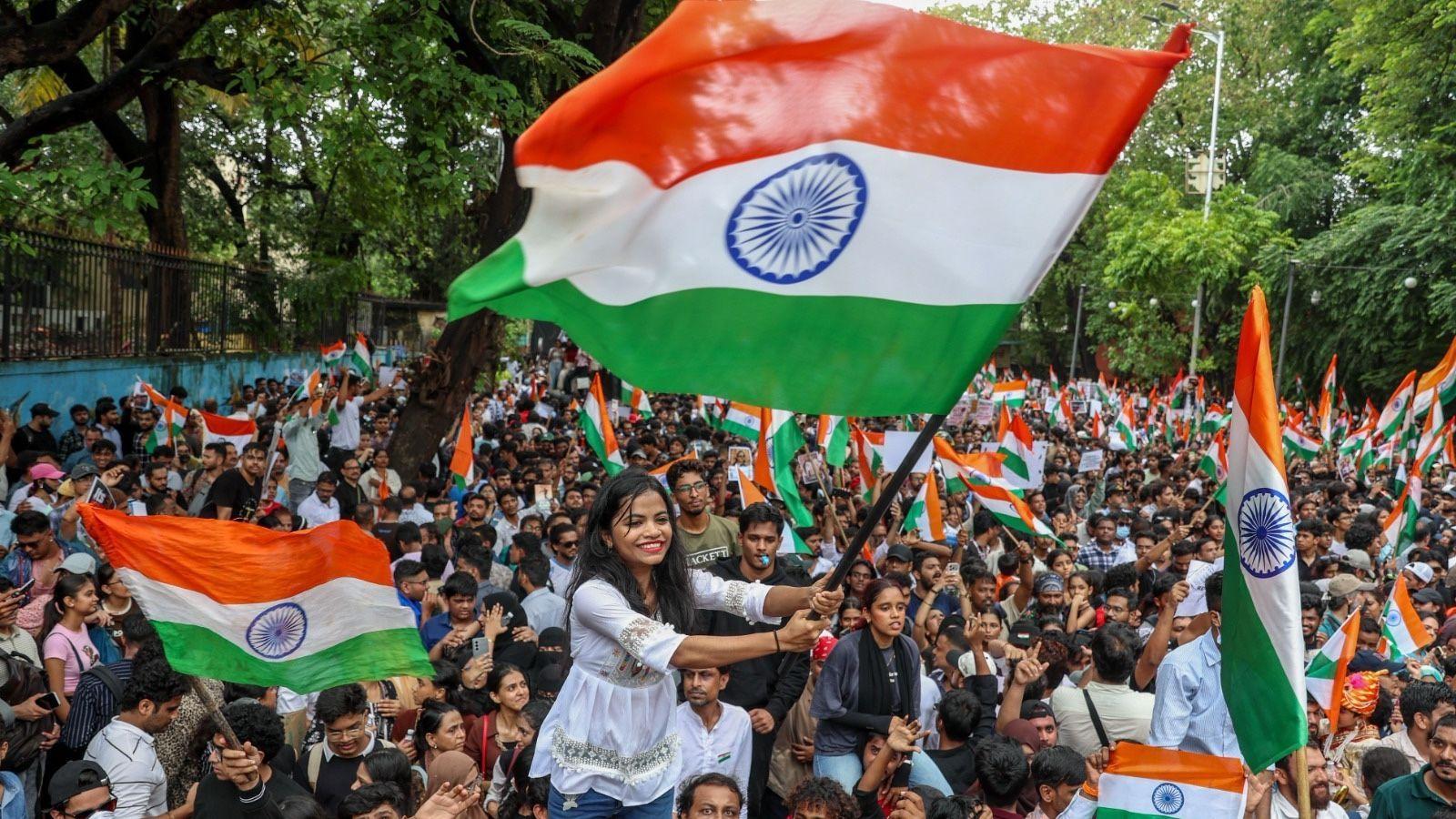
In the heart of Delhi, a wave of young protesters has taken the city by storm, rallying around the Cockroach Janta Party (CJP). Their demand is clear: the resignation of Education Minister Dharmendra Pradhan following a long‑standing scandal involving the leak of exam papers.
The movement, born from a satirical comment made by a top judge about young people being “cockroaches,” has evolved into a powerful voice for student anxiety and dissent. Since May, the CJP has pushed for reforms in India’s high‑stakes examinations, like the National Eligibility cum Entrance Test (NEET). Their protests have grown over the past month, especially after a police crackdown on a march to Parliament left dozens injured.
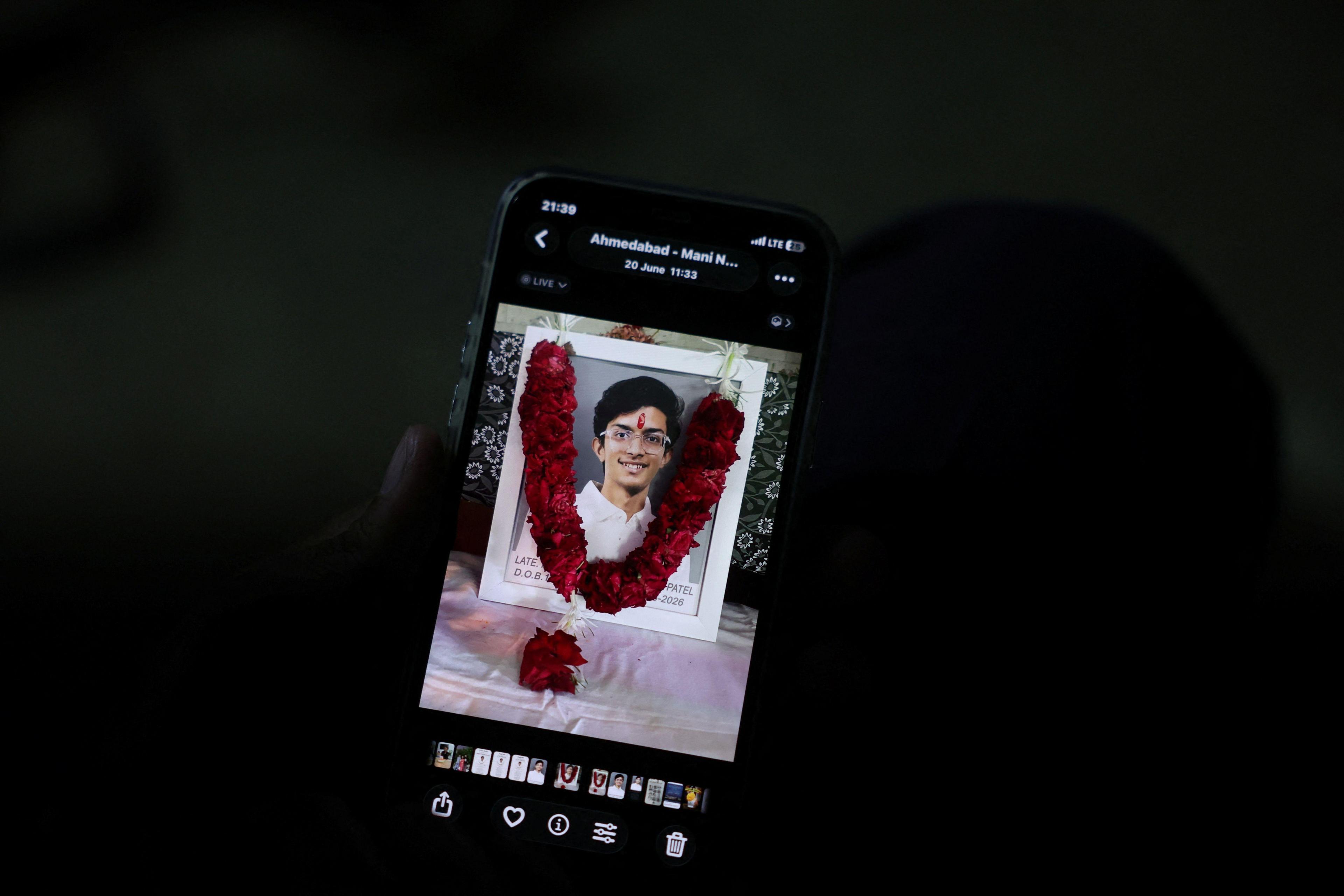
In a surprising turn, CJP spokesperson Ashutosh Ranka told reporters that the government has offered a 24‑hour window to decide on Pradhan’s resignation. Despite this talk, Ranka promised that protests would continue and expand unless the minister steps down. A second demand the CJP has raised—compensation for families of students who died by suicide after the NEET cancellation—has also been met with government agreement.
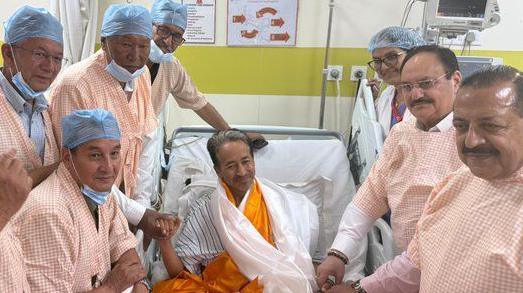
The protests gained further momentum when activist Sonam Wangchuk ended his 26‑day hunger strike. Wangchuk’s fast was a symbol of solidarity with the protestors, and his resignation helped the CJP’s cause, according to its founder Abhijeet Dipke. Meanwhile, Prime Minister Narendra Modi, under pressure, posted a vertical‑video message on Instagram announcing plans for a new law targeting examination paper leaks.
The media scene outside the protests shows mixed reactions. On one hand, supporters chant for an end to the leaks; on the other, others applaud Wangchuk’s sacrifice. Security has tightened, with heavy police presence, internet shutdowns in sections, and 18 metro stations closed at the protest site.
If the government delivers a clear statement that Pradhan refuses to resign, the CJP is prepared to call for nationwide protests. As the movement continues to grow, it highlights the power of youth movements in India and the intensity of public opposition towards the Modi administration in its seventh year of rule.