In brief
After Washington hit Iranian oil tankers, Tehran’s speaker Mohammad Bagher Ghalibaf warned of a faster, heavier, and more painful response. The U.S. has pledged to sink Iranian vessels if attacked, sparking a flare‑up that broke a 60‑day ceasefire. The conflict is pushing gasoline prices up and stresses the region’s vital Strait of Hormuz—key to global oil flows—while a diplomatic settlement looks improbable.
Iran’s top negotiator, Mohammad Bagher Ghalibaf, warned the United States that a “faster, heavier, and more painful response” would follow if the U.S. keeps targeting Iranian shipping. The comment comes a hot minute after Washington’s Central Command released footage showing US strikes on Iranian‑linked tankers that had attacked American warships in the Gulf.
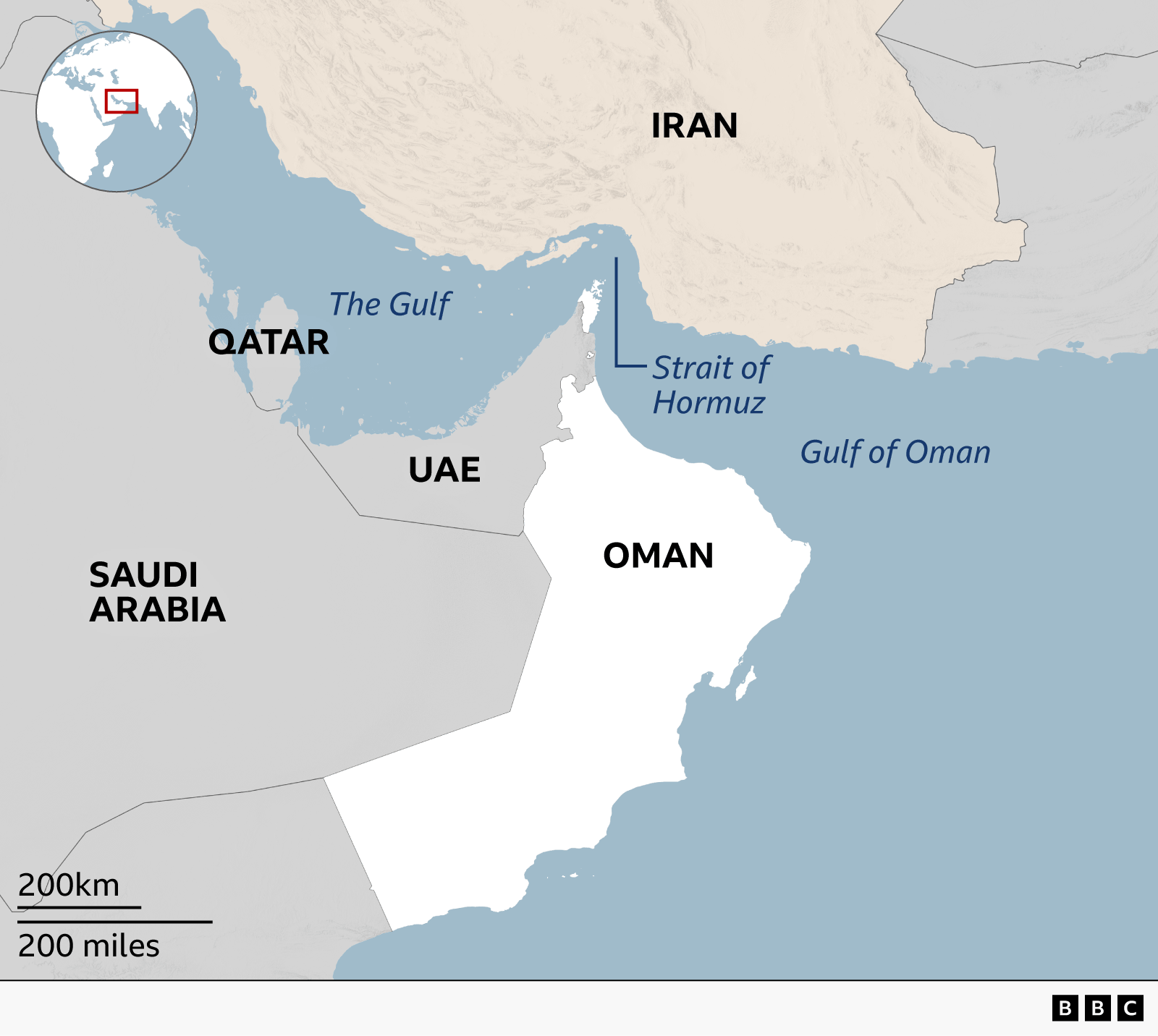
The Strait of Hormuz is a choke‑point for 9 million barrels of oil daily, and its security has become a major lever for Tehran. With the 60‑day ceasefire now over, the region is seeing a volley of strikes from both sides.
U.S. defence secretary Pete Hegseth issued a warning on Instagram: “If Iran shoots at U.S. ships, we will destroy (and sink) their oil tankers.” Meanwhile, Iranian state media reported that its navy hit a U.S. remote‑controlled vessel trying to slip through the strait – claims the U.S. denies.
The conflict has worsened fuel prices, with U.S. diesel hovering at $5.85 a gallon this week versus $3.71 a year earlier. Democrats are concerned that the war is costing voters and see the debate as a national security test ahead of the mid‑term elections.
With no clear diplomatic breakthrough in sight, the standoff over the Gulf’s vital waterway looks set to continue—if not intensify—backed by each side’s promise of strong retaliation.