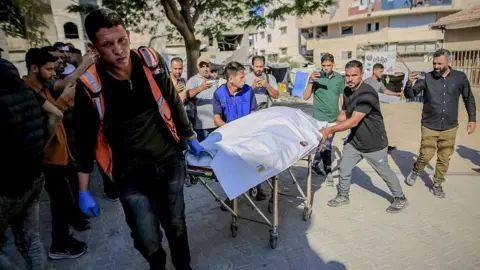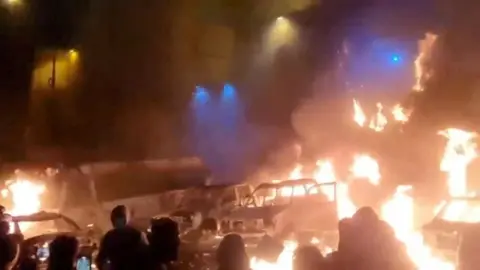
As protests in Iran entered their second week and Iranian authorities issued coordinated warnings to protesters, a doctor and medic at two hospitals told the BBC their facilities were overwhelmed with injuries.
One doctor said an eye hospital in Tehran had gone into crisis mode, while a medic in Shiraz reported that their hospital didn't have enough surgeons to cope with the influx of patients.
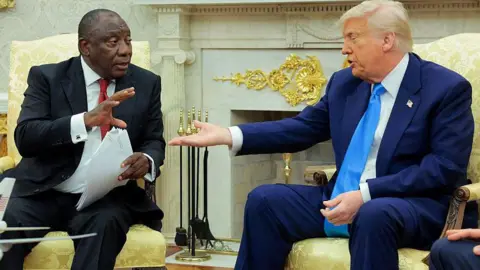
On Friday, US President Donald Trump said Iran was in 'big trouble,' warning against violent actions.
In a letter to the UN Security Council, Iran blamed the US for instigating what it termed 'violent subversive acts.'
International leaders have called for the protection of peaceful protest rights as reports indicate at least 50 protesters have died and over 2000 have been arrested amid the unrest.
The ongoing protests, which began on December 28, have seen significant challenges for medical facilities that are struggling to assist the growing number of injured individuals.
With reports of non-urgent surgeries being postponed, many hospitals are now focused solely on emergency cases.
Global reactions have poured in, emphasizing the right to peaceful assembly and the obligation of governments to protect this right.
Iran's Supreme Leader Ayatollah Ali Khamenei has remained defiant, reaffirming his position against what he terms destabilizing actions.