In brief
Increasing protests in Iran, fueled by economic hardship, are leading to a rising call for potential US intervention. Iranians living abroad share conflicting views about whether such involvement would be seen as assistance or an attack. Key voices highlight a deep concern for the human cost and advocate for internal solutions to regime change, reflecting an urgent fear for the future of their country.
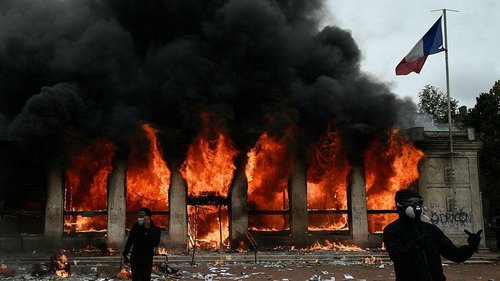
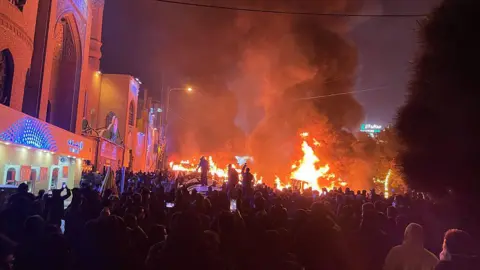
For many Iranian expatriates, the question of US aid during Iran’s ongoing crisis is profoundly personal. Mojdeh and her husband, trapped in Tehran amid an unexpected wave of protests erupting from economic despair, found themselves drawn into the chaos. After a brief visit turned into a struggle for safety, Mojdeh described how the once-familiar city felt hostile, with protesters taking over the streets and internet blackout after dark.As protests surged, the anger against the government climbed towards a boiling point, resulting in brutal crackdowns by security forces. Reports from various organizations present conflicting narratives on the death toll, reflecting the debilitating effect of restricted communication.In Washington, US officials express mixed messages regarding their support for the protesters, yet reactions among Iranian expatriates remain varied. Some, like 52-year-old Shirin, yearn for international assistance, fearing that failure to intervene could lead to wider destabilization in the region.At the same time, others, like Roozbeh and Ali, provide cautious perspectives, concern echoing that military intervention could exacerbate harm to family and friends still under the regime.While some argue that intervention is needed to prevent further violence, a greater consensus suggests that substantive change must come from within Iran itself. Many believe that true strength and resolution will emerge from unified domestic protests against the regime, expressing skepticism towards external military solutions.As reinstated control and repression continue, the future of millions hangs in the balance, prompting a sorrowful reflection among those watching remotely. The urgency of their worries underpins the conversations about how best to support those risking everything for change.