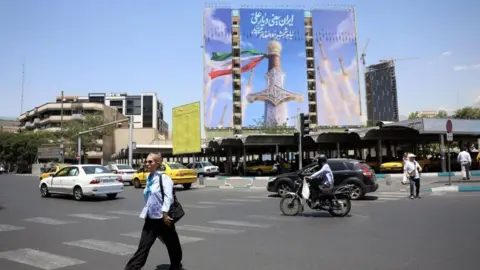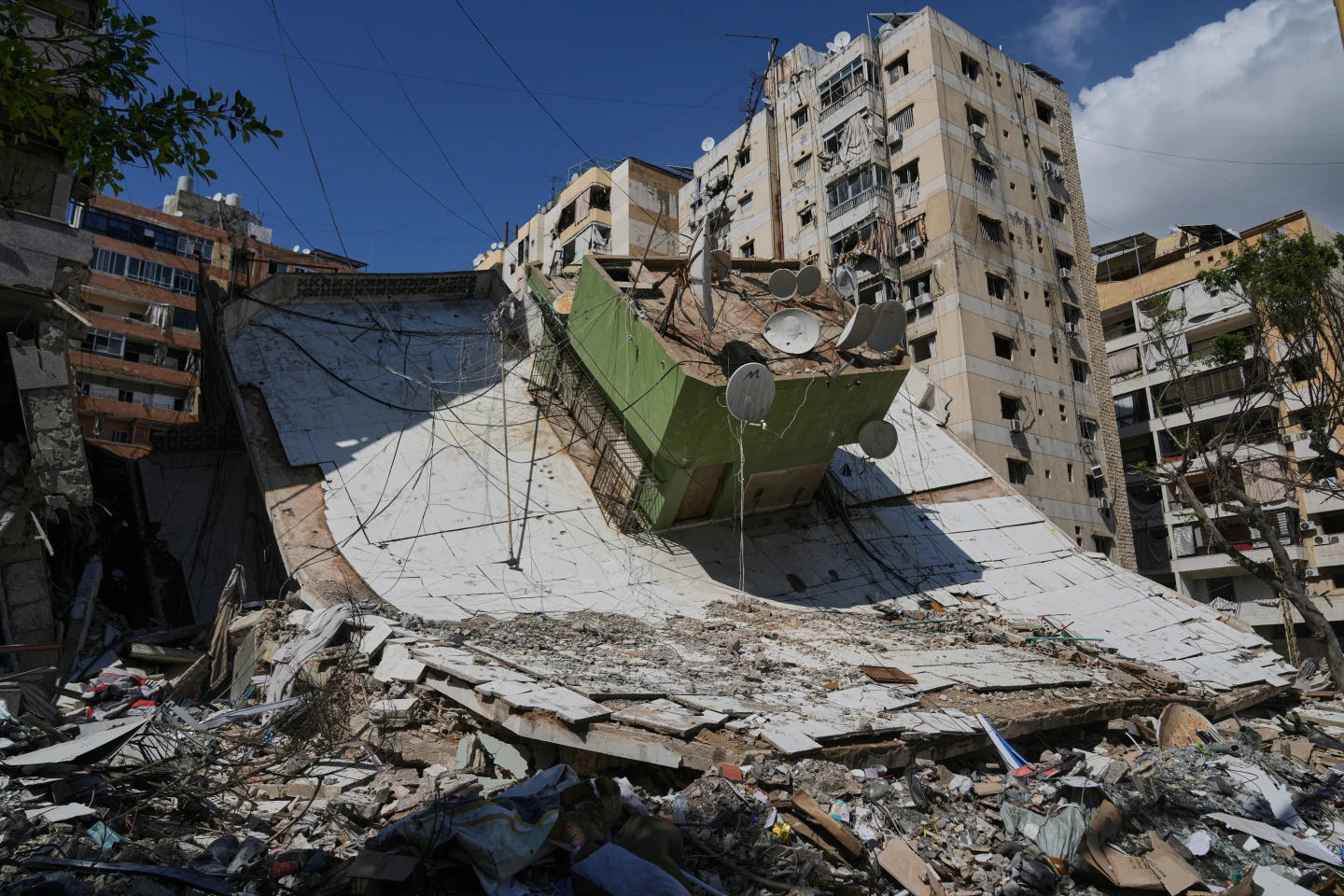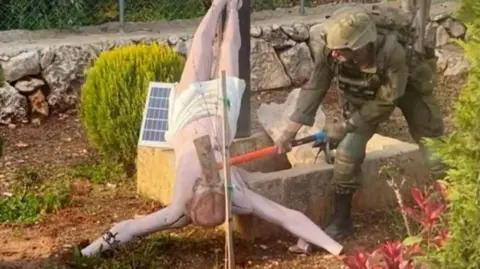
Israel’s newest air strike on the Lebanese coastal city of Tyre marks a sharp rise in the regional tension, even after Iran publicly urged the Israeli government to stop attacking Lebanon.
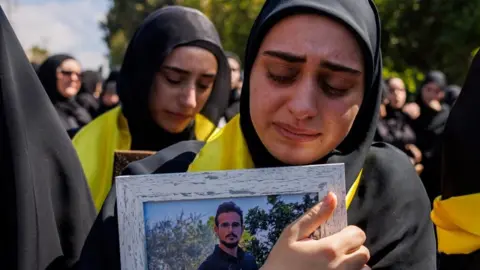
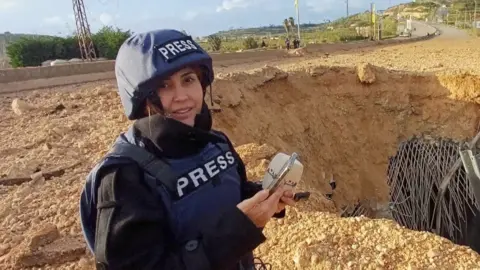
A helicopter fired at a residential building near the waterfront, leaving eight civilians dead and thirty injured according to the Lebanese Health Ministry. The attack prompted the Israel Defense Forces to order residents to leave the city, including the previously untouched Christian quarter, a move that caught many by surprise.
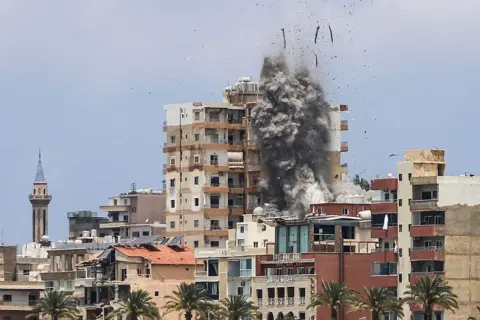
Eyewitnesses tell a harrowing story: cars piled with mattresses, families boarding buses, and an anxious “we have no exit” tone that echoes across social media. One resident, Elias Barbour, said he was heading to his sister’s house in Beirut, while others rejected claims that Hezbollah was present, labeling the military warning a “false alarm”.
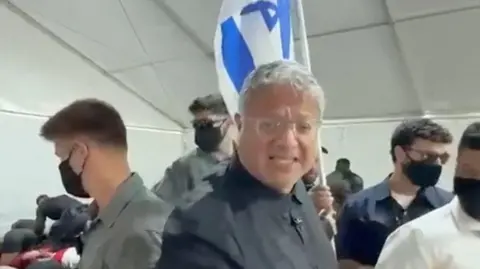
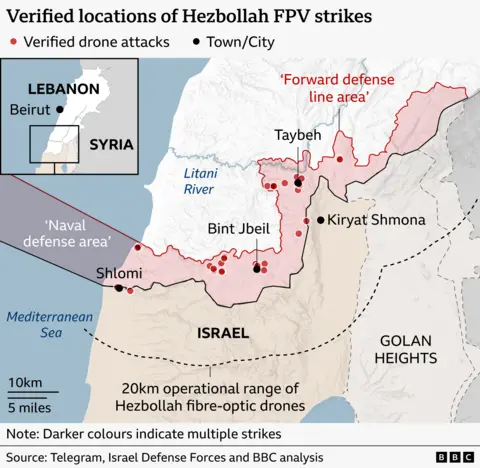
The Israeli government has denied that the attacks were part of a broader offensive and instead slogans it aims to dismantle “Hezbollah infrastructure” in the south. “The struggle against Hezbollah is not finished,” Gen. Eyal Zamir declared, fanning fears of a prolonged military presence.
On the international front, the escalation throws into question United Nations and US-mediated peace efforts, as the leaders of Israel and Iran remain embroiled in a power play that threatens to derail any peace accords. The latest drone attacks on Bridged areas, the new missile fire from Iran, and Israel’s counter‑strikes create a volatile scenario for the region’s politics and the everyday life of civilians caught in the crossfire.