In brief
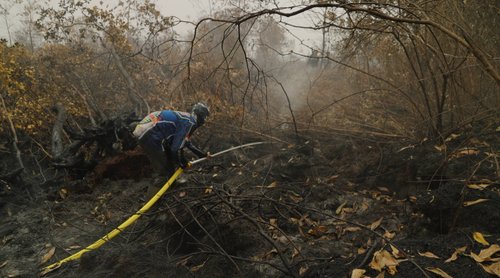
Firefighters are increasingly relying on pink fire retardants, but their toxic effects raise serious concerns.
In the battle against raging wildfires, aerial firefighting teams unleash bright pink fire retardants from planes, making a dramatic impact in just 20 seconds. Although these chemicals help control fires, new research reveals that they carry a toxic cost. Packed with heavy metals and harmful compounds, these substances pose risks to both human health and ecosystems.With wildfires intensifying due to climate change, the use of fire retardants has surged. However, their actual effectiveness remains a topic of debate. It’s tough to measure the impact of retardants, as firefighters employ a mix of tactics against blazes. Once the flames subside, attributing success to the retardant alone becomes tricky. In recent years, the frequency and speed of wildfires in the western United States have escalated dramatically. Also concerning is the air quality: exposure to wildfire smoke has skyrocketed 77% since 2002, resulting in an alarming estimate of 675,000 premature deaths worldwide each year from wildfire smoke. Understanding the balance between fire control and environmental safety is crucial as the fiery landscape continues to evolve.