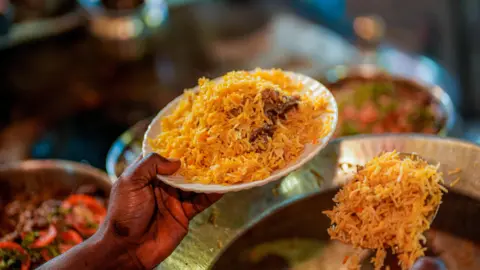
Ivory Coast's treasured dish, attiéké, has been honored by UNESCO as an intangible cultural heritage. This traditional couscous is crafted from fermented cassava flour and is a staple for many Ivoirians. Often enjoyed with grilled fish, attiéké has roots in the coastal regions and is now a highlight across West Africa.
Ramata Ly-Bakayoko, Ivory Coast's UNESCO delegate, emphasized its essential role in community life during a session in Paraguay. It's a vital part of various ceremonies, from weddings to funerals, and serves as an important source of income, especially for women who traditionally prepare it. The meticulous process involves peeling, grating, and fermenting cassava, with techniques passed down through generations.
The recognition by UNESCO also aims to protect such traditions at risk of fading away. The spotlight on attiéké has raised awareness about its culinary heritage, sparking discussions about cultural ownership, especially following controversies over awards granted to outsiders. A recent trademark was established to safeguard the attiéké name, reinforcing its authenticity and cultural significance.
Ramata Ly-Bakayoko, Ivory Coast's UNESCO delegate, emphasized its essential role in community life during a session in Paraguay. It's a vital part of various ceremonies, from weddings to funerals, and serves as an important source of income, especially for women who traditionally prepare it. The meticulous process involves peeling, grating, and fermenting cassava, with techniques passed down through generations.
The recognition by UNESCO also aims to protect such traditions at risk of fading away. The spotlight on attiéké has raised awareness about its culinary heritage, sparking discussions about cultural ownership, especially following controversies over awards granted to outsiders. A recent trademark was established to safeguard the attiéké name, reinforcing its authenticity and cultural significance.