In brief
Kenya’s trade ministry has told foreign nationals that visa‑free entry does not grant them a right to work in the country, and that small‑scale businesses run by foreigners must shut down by a set deadline. President William Ruto’s recent speech sparked the move, arguing that investors should create jobs instead of competing in retail. The government stresses that work permits and licences are mandatory, while the Burundi embassy has offered emergency travel papers for its citizens. Some critics say the move could increase xenophobia, but officials insist it protects local workers. The crackdown could reverberate across the East African region where many Kenyan and Burundian traders operate.
What’s Happening?
Kenya’s trade ministry says visa‑free travelers can’t just pop up a mini‑shop and start selling on the streets. They need a work permit or a licence, and any business operated without one must close by a government‑set deadline.
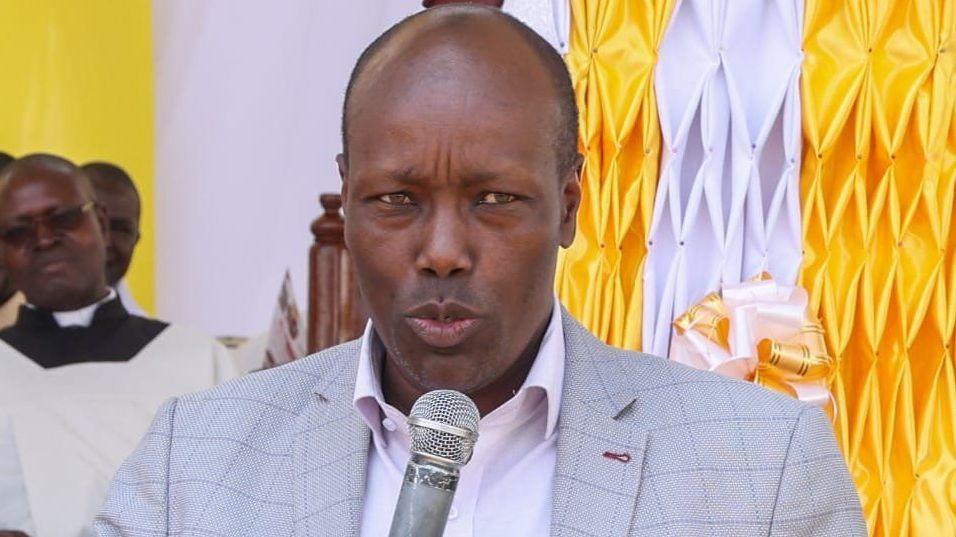
The move follows President William Ruto’s warning that foreigners shouldn’t “be hawkers on the street” in Kenya, even if they’re tourists or investors. He said they should focus on creating jobs in bigger companies, not competing directly with locals.
Reactions Across the Border
- Burundi’s embassy offered free travel docs for its citizens who want to go home, citing concerns over mistreatment of Burundians in Kenya.
- The East African Community (EAC) meeting was called to address these tensions, with Kenyan and Burundian reps attending.
- Foreign trade bodies have urged people to keep calm and comply with the new permit rules, warning that breaking them could lead to legal trouble.
Real‑World Impact for Foreign Traders
Many small traders—often from Burundi, Tanzania, Egypt and other African countries—run street stalls in Nairobi and other Kenyan cities. With the new rule, they must either gina their businesses legitimately under Kenyan law or back off.
The trade ministry says there’s a high number of foreign traders in retail, which “must be aligned with work permit provisions.” But the exact numbers of affected traders aren’t yet clear.
What To Do If You’re a Foreign Trader?
1. Get a work permit or the relevant business licence.
2. Make sure you’re registered with the Kenya Revenue Authority for taxes.
3. If you’re not sure of your status, contact a local lawyer or the Ministry of Trade.
4. Avoid confrontations with police and follow the new guidelines—this will keep you safe and your business open.
For more updates on this and other news across Africa, visit BBCAfrica.com.