In brief
A former Navy photographer reflects on his 2001 deployment aboard the battleship USS Carl Vinson and compares it to the current crew conditions on the USS Abraham Lincoln. The warship faces food shortages, broken plumbing and endless noise from aircraft, leading to tired, sometimes tearful sailors. Critics argue the media hype is exaggerated, while retired Navy officials point out mental‑health support systems on board. Military leadership claims their crews remain well‑prepared despite long deployments, and a replacement ship is on schedule to relieve the Abraham Lincoln. The story examines how isolation, boredom and physical strain can compound on naval crews and why governments keep a keen focus on morale.
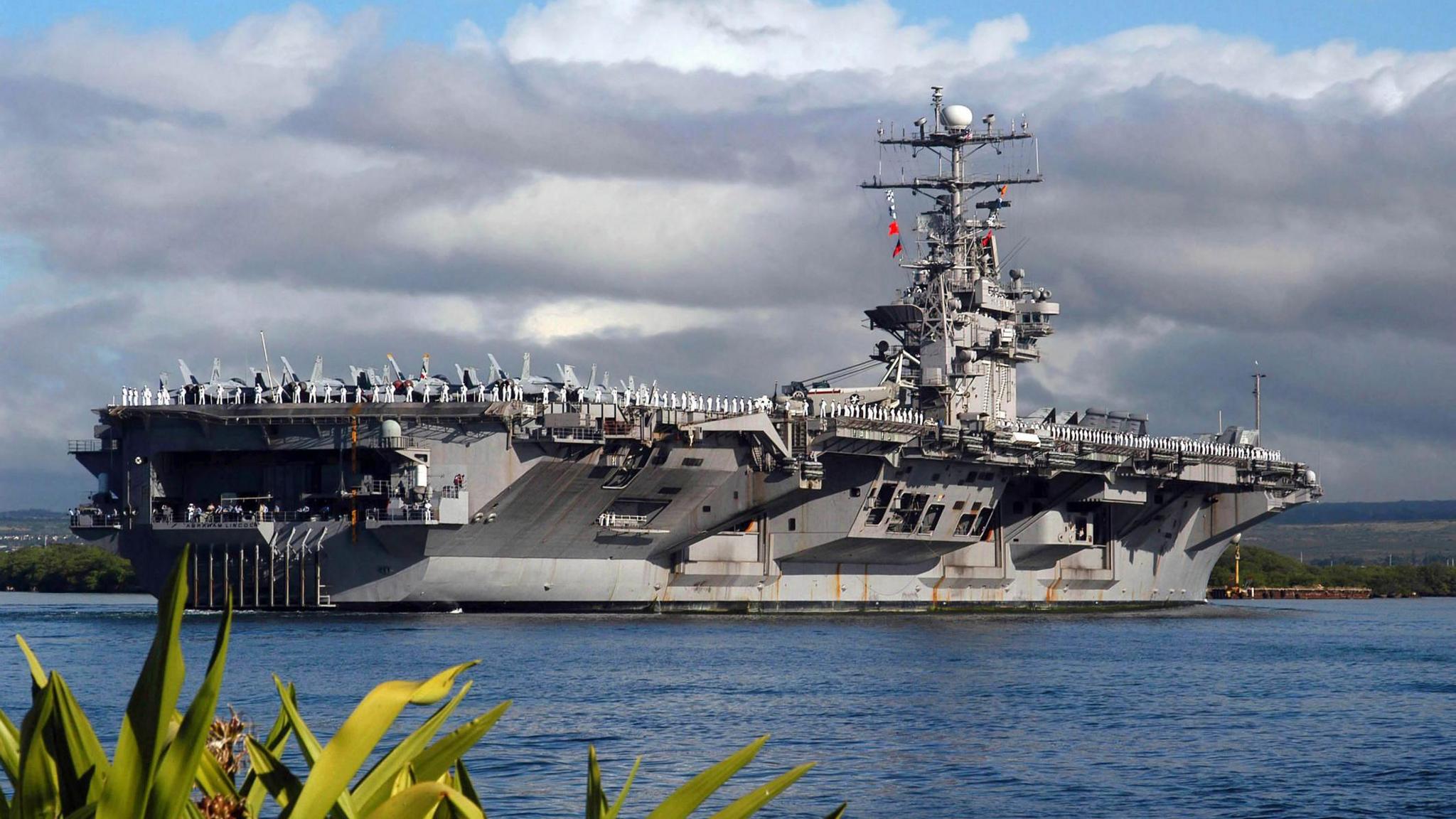
When US Navy veteran Jonny Burnell spent 111 days on the battleship USS Carl Vinson in 2001, he saw the crew’s morale dip from excitement to a quiet sadness. His camera could roam the ship, capturing the everyday battles of sailors before a full‑scale war. That sense of closeness was lost on the crew of the USS Abraham Lincoln, now docked in a tense Middle East mission.
Battleship reports to NATO about food shortages and broken plumbing. “People are losing weight and feeling exhausted,” a family member told the BBC. Yet the ship’s official numbers say the crew’s mental‑health incidents are among the lowest of any active carrier.
Retired Navy Lt Commander Steve Rogers says the media’s buzz is “99% hype.” He argues sailors have chaplains and mental‑health counselors, and that the complaints of sailors attempting to jump overboard “are locker room jokes.” Yet veterans and families say otherwise.
Materials that caught into the wave of criticism include: a replacement ship, the USS George Washington, which had its own mental‑health problems and even a spate of suicides when docked in Virginia. A 2023 report warned that Navy standards had slipped, letting people down.
By contrast, the U.S. Central Command claims the Abraham Lincoln has a low fault‑count in mental‑health cases. Admiral Brad Cooper notes that “service at sea for long periods isn’t for everyone,” emphasizing that mental‑health is as vital as physical readiness.
The isolation on a warship means sailors can feel “lost, even when they’re on a mission.” This isolation, combined with endless quiet on the lower decks and the constant sounds of aircraft landing and weapons firing, can produce tremendous emotional strain.