In brief
In the midst of war, Ukrainians are redefining love and family. Dating has become difficult, with many people single for years. With millions displaced and men conscripted, those who remain face a harsh reality. From soldiers unable to promise a future to women grappling with the uncertainty of relationships, the war's impact on romance and parenthood threatens to alter Ukraine's social fabric for generations.
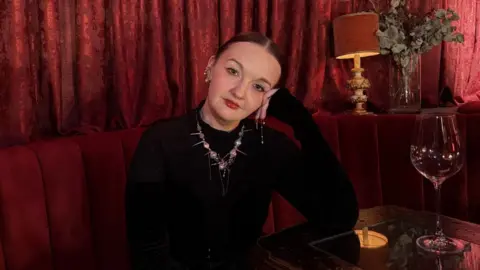
Sitting in a wine bar in Kyiv on a Saturday night, Daria, 34, opens a dating app, scrolls, then puts her phone away. After spending more than a decade in committed relationships she's been single for a long time. I haven't had a proper date since before the war, she says.
Four years of war have forced Ukrainians to rethink nearly every aspect of daily life. Increasingly that includes decisions about relationships and parenthood – and these choices are, in turn, shaping the future of a country in which both marriage and birth rates are falling.
Millions of Ukrainian women who left at the start of the 2022 full-scale invasion have now built lives and relationships abroad. Hundreds of thousands of men are absent too, either deployed in the army or living outside the country.
For those women who stayed, the prospect of meeting somebody to start a family feels increasingly remote. Khrystyna, 28, remarks about the noticeable absence of men in Lviv, underscoring how war disrupts not just lives but the fabric of relationships.
Meanwhile, soldiers like Ruslan confront a grim reality. What can I actually offer a girl right now? he reflects, revealing how uncertainty makes long-term commitments feel irresponsible.
As a result, marriage rates plummeted from 223,000 in 2022 to 150,000 in 2024. The birth rate now stands at a record low of 0.9 children per woman, far below the sustainable level of 2.1.
The continued disruption threatens not only personal dreams but the future demographic landscape of Ukraine. The war has led to a dramatic drop in population, hindering economic growth and sowing seeds for potential long-term societal issues.
Daria poignantly states, I've come to accept that I might stay alone not because I want to, but because war reshapes what feels possible. This sentiment echoes the struggles faced by many, as they navigate love and family amidst the chaos of conflict.