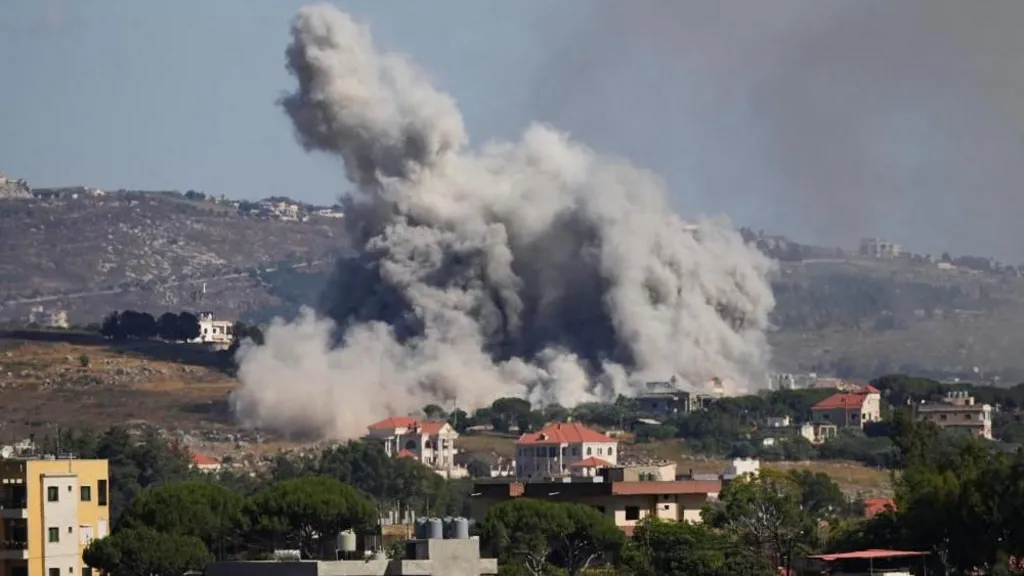
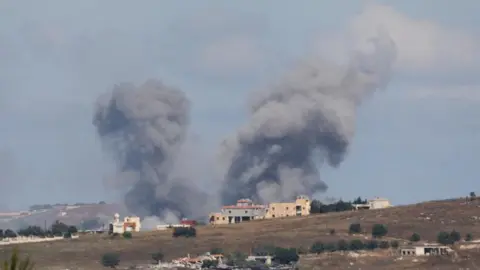
In a surprising turn of events, celebrations erupted across Syria and in Lebanon after the downfall of President Bashar al-Assad’s government over the weekend. This marks a pivotal change in Middle Eastern politics, ending over fifty years of Assad's rule. Following years of conflict, the collapse has sent shockwaves through the region, especially in Washington, where American officials had anticipated a different outcome.
The sudden shift raises critical questions regarding Iran's and Russia's future roles in Syria. With Assad gone, Iran's influence faces new vulnerabilities, and the path forward could lead to negotiations or further tensions, particularly with groups like Hezbollah. U.S. intelligence reports indicate that they were caught off-guard, believing that Assad would likely retain his position, even at the cost of resorting to drastic measures.
Now, as the political landscape alters dramatically, two key inquiries emerge: Will rebel forces succeed in driving out Iranian and Russian entities, or will there be an attempt to strike a pragmatic deal with these powers that contributed to the lengthy civil war? The answers to these questions could redefine the Middle East's future, especially as the world prepares for the upcoming inauguration of President-elect Donald J. Trump.