
In brief
Maine's upcoming ballot measures include a significant initiative requiring voters to show ID and implementing stricter absentee voting regulations, amid minimal reports of voter fraud. Texas is voting on a proposal aiming to affirm that only U.S. citizens can vote, addressing concerns over noncitizen voting. Critics argue these changes are unnecessary and may deter voter participation.
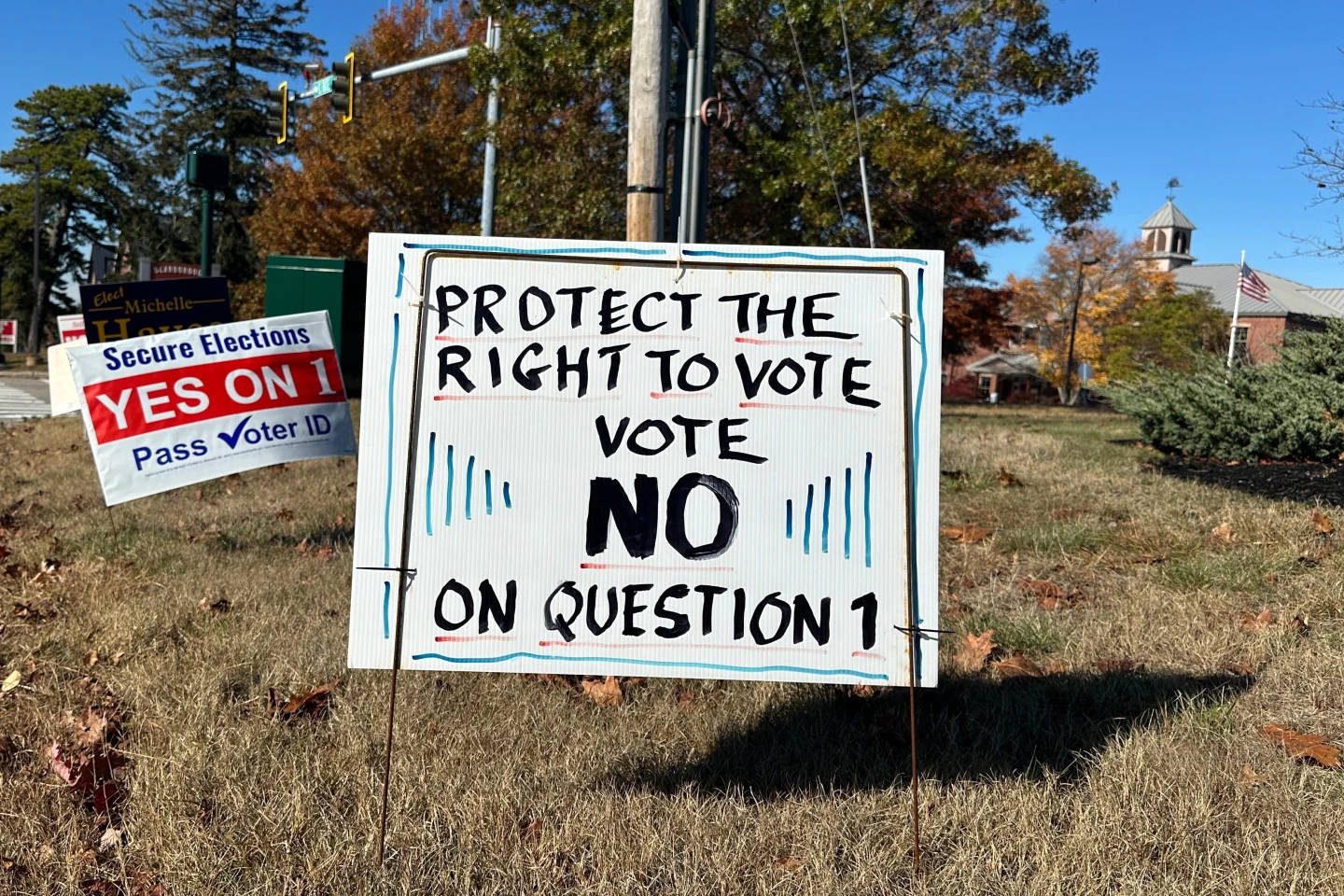
Maine's elections have generally been smooth, but this hasn't stopped Republicans from advocating major changes. On the November 4 ballot, Maine presents Question 1, which aims to enforce voter ID requirements, limit absentee voting days, and restrict drop box usage. Proponents argue this is a move to secure election integrity.Governor Janet Mills has expressed opposition, stating these changes threaten the right to vote. Meanwhile, Texas is considering an amendment to solidify that only U.S. citizens can cast ballots, an action already considered illegal under existing laws. Supporters claim it addresses a lack of clarity, while critics argue it perpetuates unfounded fears of noncitizen voting.Both states' measures have sparked significant debate, highlighting contrasting views on election security and accessibility, especially in an era marked by claims of widespread electoral fraud. These discussions could significantly influence voter engagement and trust in the electoral process.