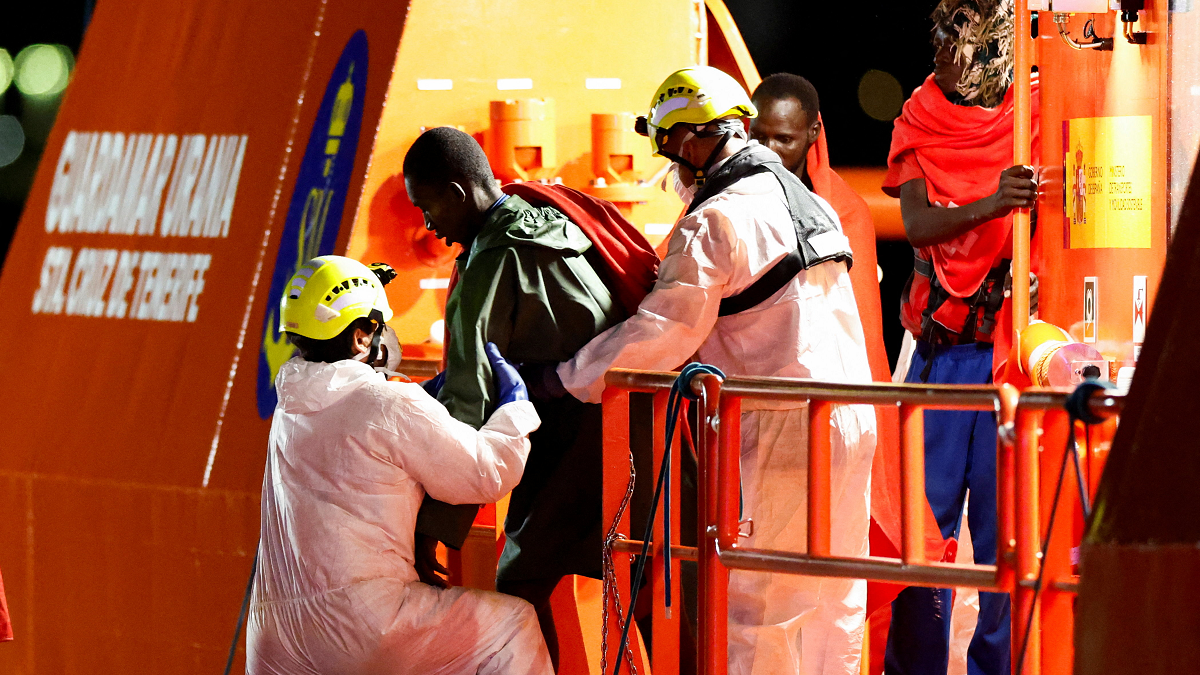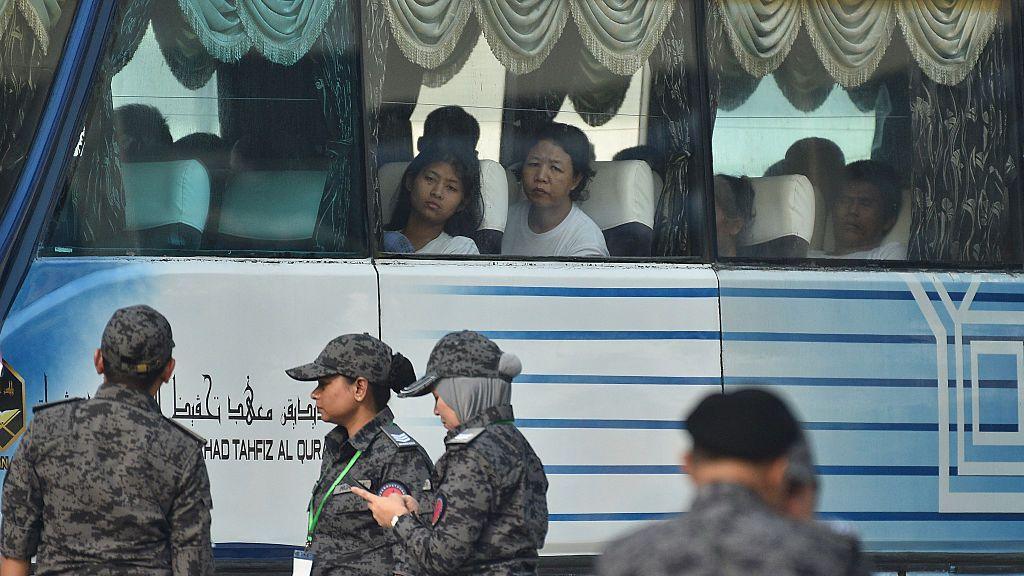
Malaysia has begun sending about 5,000 asylum seekers from Myanmar back home, a step that has sparked outcry from human‑rights organisations and raised questions about the safety of the returnees. The ships carried the first 1,476 people, and the government says the operation is voluntary, even though it has kept the refugees in detention centres and barred UN helpers from inspecting them.
Why the backlash?
The Rohingya, many of whom are Muslim refugees from Myanmar’s Rakhine State, are not recognised as citizens and lack passports or other travel documents. Returning to a country where an insurgent army holds most of the state and where the Myanmar military continues violent clashes poses a grave risk of persecution, forced conscription and violence.
Anwar’s political dilemma
PM Anwar Ibrahim, who rose to office as a critic of Myanmar’s regime, says growing public hostility towards the Rohingya in Malaysia forces him to negotiate a deal. The Prime Minister’s own popularity has slid, and he faces pressure to deliver a “security” solution while contending with a fragile coalition that has lost seats in recent elections.
What the returnees face
The Rohingya are unlikely to thrive once they step ashore. Most can only stay in the war‑torn Rakhine State, where violence and shortages of food and medicine are common. Even the capital, Sittwe, is besieged, and men risk being conscripted into fighting for the Myanmar government.
The international community's take
Global human‑rights groups criticize the repatriation as a violation of international refugee law, pointing out that the Myanmar army has been accused of genocide. They urge Malaysia to reconsider the policy and guarantee the safety and dignity of the refugees.