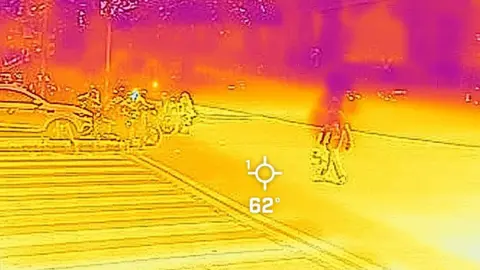
March has turned up the heat across the U.S. Southwest, breaking records and challenging the norm. With temperatures soaring to a staggering 110°F (43.3°C) in Arizona, this heat wave is not just a weather anomaly; it’s a direct indicator of climate change.
Experts are alarmed, noting that extreme weather patterns, especially heat events, are becoming increasingly commonplace. Climate scientists underline the stark reality: these record temperatures would have been nearly impossible without human actions affecting the climate.
A recent report from World Weather Attribution highlights that recent temperatures were boosted by human-induced warming by as much as 4.7°F to 7.2°F (2.6°C to 4°C). The analysis concludes that a world without climate change would not be experiencing such severe heat this early in the year.
The patterns of alarming weather are shifting dramatically, with areas impacted by extreme temperatures doubling compared to two decades ago, according to NOAA. Historically, the U.S. has seen a concerning increase in recorded heat events, worsening impacts on communities and ecosystems.
This serves as a wakeup call for the policymakers and the public alike: understanding and adapting to our changing climate is crucial to minimizing risks and protecting future generations. As extreme weather becomes the 'new normal,' it’s time to rethink how we approach environmental challenges.