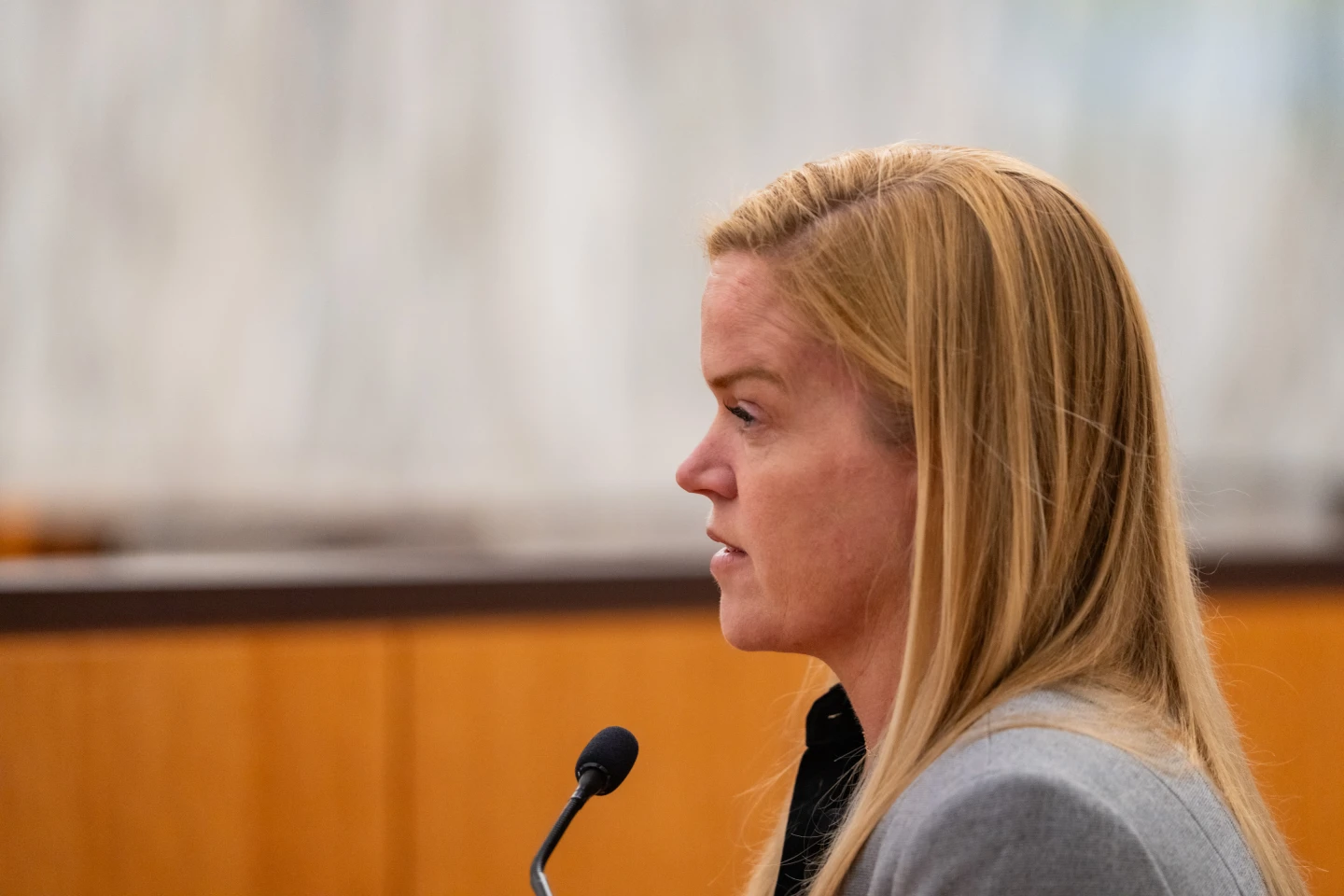
BOSTON (AP) — Massachusetts’ highest court heard oral arguments Friday in the state’s lawsuit asserting that Meta designed addictive features on Facebook and Instagram aimed at young users. This lawsuit, initiated by Attorney General Andrea Campbell in 2023, alleges that Meta's profit-driven strategies have adversely impacted hundreds of thousands of teenagers in Massachusetts. State Solicitor David Kravitz discussed claims focused on Meta's tools, stating they encourage addiction distinctly from the algorithms or content moderation. While Meta strongly refutes these claims, its attorney Mark Mosier emphasized that protective measures under the First Amendment cover their content management practices.
Judges expressed concern regarding Meta’s operational elements like notifications rather than the content. Justice Dalila Wendlandt mentioned that the lawsuit is about the design influencing user engagement through incessant notifications, preying on FOMO among teens. Several states, including Massachusetts, are stepping forward with lawsuits against Meta asserting that the design of these social networking sites contributes significantly to mental health issues among teens, such as exacerbating eating disorders and suicidal thoughts. The outcome of this lawsuit could impact how social media platforms design their features moving forward.
Judges expressed concern regarding Meta’s operational elements like notifications rather than the content. Justice Dalila Wendlandt mentioned that the lawsuit is about the design influencing user engagement through incessant notifications, preying on FOMO among teens. Several states, including Massachusetts, are stepping forward with lawsuits against Meta asserting that the design of these social networking sites contributes significantly to mental health issues among teens, such as exacerbating eating disorders and suicidal thoughts. The outcome of this lawsuit could impact how social media platforms design their features moving forward.