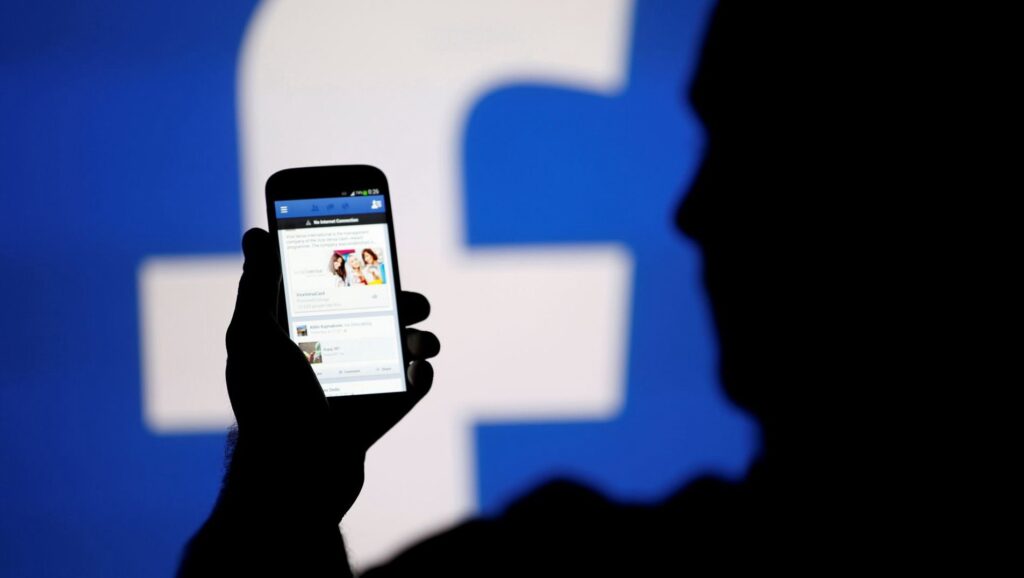
In a shocking turn of events, Meta has started to dismantle much of its journalism partnership teams, marking a strategic pullback from the news industry as a response to years of political scrutiny, misinformation issues, and declining public trust. The tech giant has already scrapped news tabs and funding deals with major publishers, significantly decreasing the visibility of news content across its platforms.
According to CEO Mark Zuckerberg, the public's interest in news and politics is waning. He articulately noted, 'People don’t want politics and fighting to take over their experience.' This has prompted many analysts to interpret his remarks as an intention to minimize news exposure, a trend evident prior to the recent announcements.
Meta has framed journalism-related content as a source of reputational risk, emphasizing in a past statement that 'People don’t come to Facebook for news and political content.' By distancing itself from journalism, the company appears to be shedding its previous identity associated with news distribution and the accompanying political backlash.
The implications of Meta’s withdrawal are already being felt, with significant traffic declines reported by news organizations like The Guardian, Reuters, and the Financial Times. Small media outlets have voiced concerns that these changes could jeopardize their existence, as audience engagement dwindles.
As Meta's exit from the news landscape unfolds, analysts highlight that this reshaping of information access comes at a time when issues like elections and misinformation campaigns are intensifying worldwide. The platform, once a cornerstone for journalism, is now prioritizing entertainment, short-form videos, and influencer content, suggesting a future where public discourse is shifted in favor of user engagement without the burdens that news brings.
According to CEO Mark Zuckerberg, the public's interest in news and politics is waning. He articulately noted, 'People don’t want politics and fighting to take over their experience.' This has prompted many analysts to interpret his remarks as an intention to minimize news exposure, a trend evident prior to the recent announcements.
Meta has framed journalism-related content as a source of reputational risk, emphasizing in a past statement that 'People don’t come to Facebook for news and political content.' By distancing itself from journalism, the company appears to be shedding its previous identity associated with news distribution and the accompanying political backlash.
The implications of Meta’s withdrawal are already being felt, with significant traffic declines reported by news organizations like The Guardian, Reuters, and the Financial Times. Small media outlets have voiced concerns that these changes could jeopardize their existence, as audience engagement dwindles.
As Meta's exit from the news landscape unfolds, analysts highlight that this reshaping of information access comes at a time when issues like elections and misinformation campaigns are intensifying worldwide. The platform, once a cornerstone for journalism, is now prioritizing entertainment, short-form videos, and influencer content, suggesting a future where public discourse is shifted in favor of user engagement without the burdens that news brings.