In brief
The Swift sky‑watching telescope is in danger of crashing into Earth as solar activity roils the upper atmosphere and lowers its orbit. In a historic first, NASA has dispatched the robotic spacecraft LINK, built by Katalyst Space Technologies, to capture and lift Swift. The Little Leap Mission will test the ability of a small, three‑armed robot to quietly dock, raise the telescope's altitude and preserve its valuable data. If it succeeds, scientists will take a bold step toward securing other orbital habitats, including the iconic Hubble telescope.
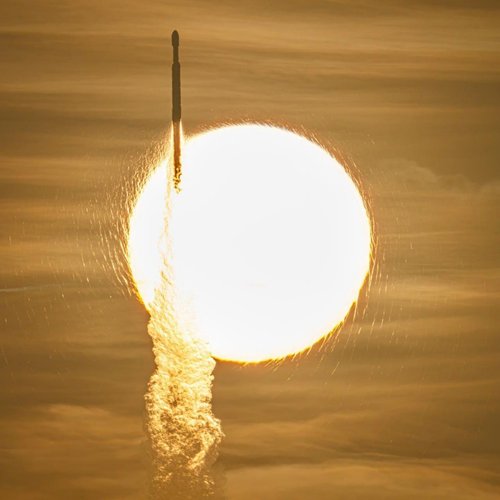
A NASA‑funded spacecraft called LINK is attempting the first space rescue mission in history. Katalyst Space Technologies launched it Friday to catch the Swift observatory before it burns up in Earth's atmosphere.
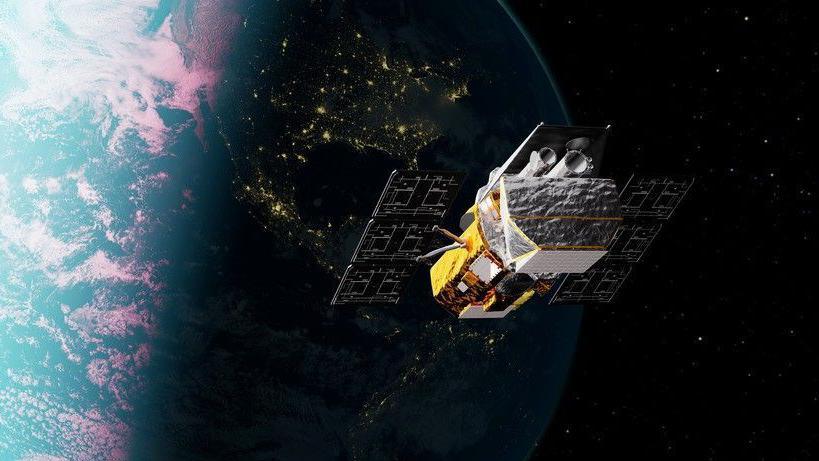
Swift, a gold‑coloured telescope that studies the universe’s most energetic explosions, is drifting lower due to solar activity. Its orbit has dropped from 600 km to 360 km, making re‑entry inevitable.
The robot, equipped with three arm‑like appendages, will approach, capture, and gently lift Swift back to a safer orbit. If it succeeds, it could pave the way for future saves of famous cargo like Hubble.
“It’s a high‑risk but necessary mission,” said senior researcher Simeon Barber. “Swift’s science is irreplaceable.”
The launch was made in less than a year by a young, privately‑funded company. Their success could change how we protect valuable technology in space.