In brief
The FDA has cleared Rasonque, a daily drug that nearly doubles survival time for pancreatic cancer patients. In trials, patients lived an average of 13.2 months versus 6.6 months with chemotherapy. The drug targets the KRAS gene, a mutation in 90% of pancreatic tumors. While side effects include rash, diarrhea, and nausea, the benefits provide a fresh, critical option for a hard‑to‑treat disease.
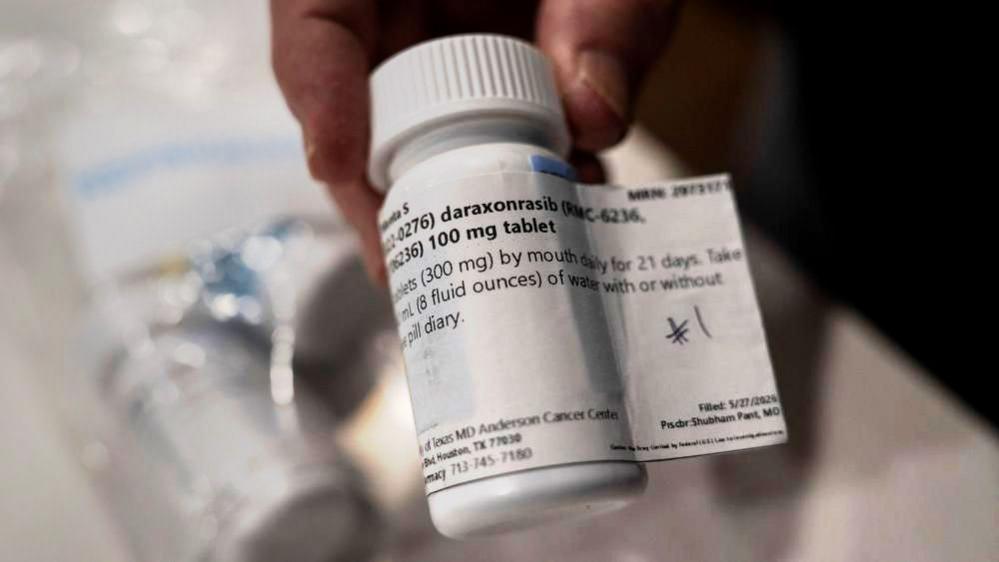
The Food and Drug Administration (FDA) has just cleared a new drug called Rasonque—the brand name for daraxonrasib—for treating pancreatic cancer. In a huge win for patients, the pill has almost doubled the average survival time seen in trials, increasing life expectancy from 6.6 months on standard chemotherapy up to 13.2 months.
Clinical studies involving 500 patients showed the daily tablet worked by shutting off the mutated KRAS gene that fuels most pancreatic tumors. This gene is present in over 90% of cases, making Rasonque a targeted “breakthrough” therapy. In 2025 the FDA gave it a Breakthrough Therapy designation, speeding up the approval process.
Side effects were relatively mild compared to chemotherapy: rash, diarrhea, nausea, fatigue and vomiting. About 44% of patients on Rasonque experienced severe reactions, versus 57.5% on chemotherapy.
The drug’s approval is especially important given that each year roughly 67,000 Americans are diagnosed with pancreatic cancer, a disease with the highest death rate of all major cancers. Most patients detect the disease late and less than half survive three months after diagnosis.
Ben Sasse, former US Senator, is participating in a trial of Rasonque after being diagnosed with stage‑4 pancreatic cancer in December. He reports the drug is shrinking his tumors and giving him more time.