No‑Behind‑the‑Scenes Games: Ireland‑Israel Clash at Neutral Stadium
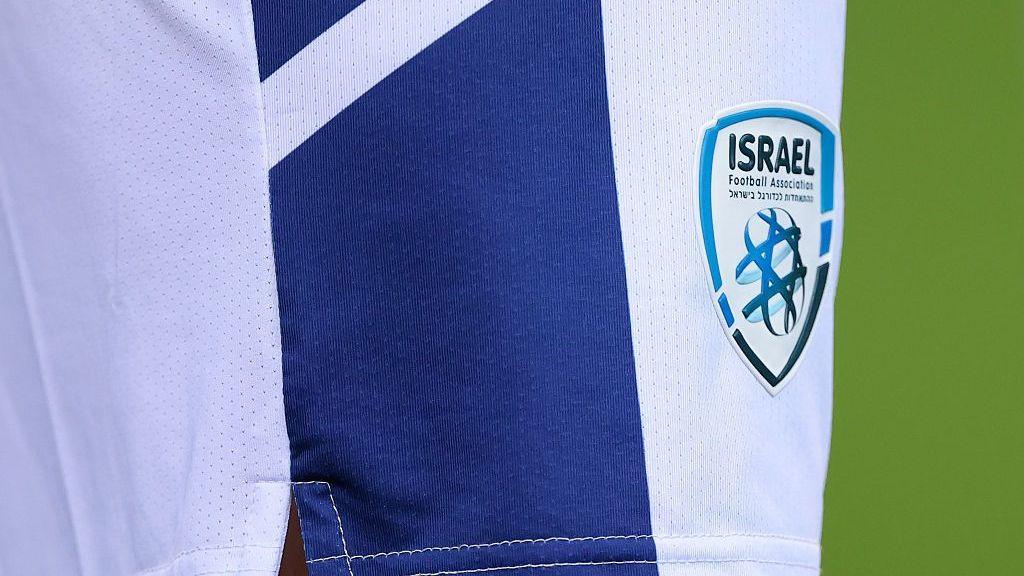
The FIFA‑authorised Nations League match between Ireland and Israel took place on a Sunday at Debrecen’s Nagyerdei Stadion, a neutral ground in Hungary. With no ‘away’ fans allowed and ITV missing its full commentary crew, the game became a battleground of politics and sport.
The decision to play at an empty stadium was the result of a razor‑thin 75‑to‑32 vote by the Football Association of Ireland (FAI). The other side of the tally demanded a boycott amid growing outcry over Israel’s October‑2023 offensive in Gaza. The FAI warned that refusing to play would risk UEFA sanctions and an estimated €10‑million loss of income.
RTE’s broadcast was pared to a basic audio feed, stripped of pundits and half‑time analysis. No tickets were sold to Irish fans for either the ‘home’ or ‘away’ fixtures; a small quota was made available for Israeli supporters, mirroring earlier Israeli home matches in Hungary.
Protests didn’t stop at the decision threshold. Irish clubs’ supporters staged demonstrations at domestic games, and a group of over 160 athletes, including boxer Tyrone McKenna and Olympic gold‑medallist Ciara Mageean, opened a letter calling for a boycott. The FAI maintained that not playing would only hurt Irish football’s future.
The Irish government has been outspoken: Britain’s relationship with Israel has shifted, as the country officially recognised a Palestinian state in May 2024 and joined a South-African case at the International Court of Justice. Interview remarks from Foreign Minister Helen McEntee framed the Gaza conflict as a breach of international law and a violent attempt to erase a population.
Meanwhile, UEFA’s reaction has been lukewarm. In 2024, Belgium refused to host Israel at home; however, the match still relocated to Debrecen. International pressure from Norway, Turkey and Amnesty International advocates a ban, yet UEFA paused on any such vote after a provisional cease‑fire.
For Irish fans, the match – and the number of high‑profile athletes refusing to play – has turned football into a symbol of broader political struggle. For UEFA, it’s a risk of being perceived as an excuse for Israel’s military actions. The neutral venue, stripped broadcast, and absence of crowd all underscored an unprecedented pressure cooker inside the world of competitive soccer.