In brief
This year, the traditional Persian New Year festival of Nowruz is overshadowed by war in Iran. With bombings affecting daily life, preparations for the festival, which symbolizes rebirth and renewal, have taken on a somber tone. Iranians express mixed feelings of resilience and despair as they navigate loss and uncertainty while trying to uphold their beloved traditions.
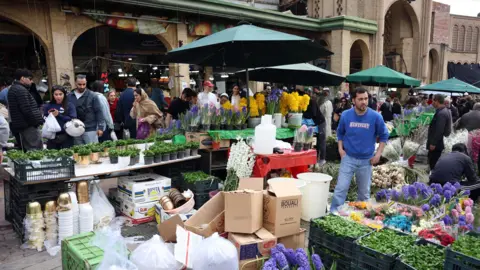
In the days leading up to the Persian New Year festival of Nowruz, excitement typically fills Iranian homes. However, this year's celebrations are different as war looms over the nation. Mina, a resident in Damavand, reflects on how preparations have changed with tears in her eyes, saying, Every day feels so long. It's like I've lost track of time.
Nowruz, which translates to new day, marks the spring equinox and has been celebrated for over 3,000 years. This year, it will take place on March 20, but many Iranians will experience it under the weight of conflict. Since February 28, Iran has been under relentless attacks from US and Israeli forces, leading to over 3,100 deaths, including many civilians.
People like Amir, Mina's son, worry for the future, discussing how the war is affecting jobs and infrastructure. I don't want this to be our last Nowruz, he says, capturing the sense of urgency and fear that permeates the air.
Despite the circumstances, a few are determined to continue with Nowruz traditions, like preparing the Haft Sin table, a centerpiece that includes seven symbolic items starting with the letter 'S'. Others, however, dismiss the significance of Nowruz, insisting that without significant changes in governance, such cultural celebrations feel hollow.
As the day approaches, many wonder what noises will fill the air - the sounds of celebration or the echoes of conflict. Mina hopes to hear the holiday announcement on TV without it being drowned out by missile strikes. The upcoming celebrations promise to be a poignant reminder of both the resilience and the struggles faced by the Iranian people.
Nowruz always symbolizes renewal, but this year, it serves as a painful reminder of the need for peace and healing.