In brief
The IOC's new policy, effective from the 2028 Los Angeles Olympics, mandates that only biological females will be eligible to compete in women's sports. This decision is a part of a broader shift towards stricter regulations around the participation of transgender women and athletes with differences in sexual development (DSD). The eligibility will be based on a 'once-in-a-lifetime' sex test to screen for the SRY gene. The policy reflects the IOC's commitment to fairness in competition and has sparked both support and criticism within the sports community.
The women's category of Olympic sports will be limited to biological females from 2028.
The International Olympic Committee (IOC) says eligibility will be determined by a once-in-a-lifetime sex test, which would prevent transgender women and those with differences in sexual development (DSD) who have gone through male puberty from competing. It will take effect from the Los Angeles Olympics.
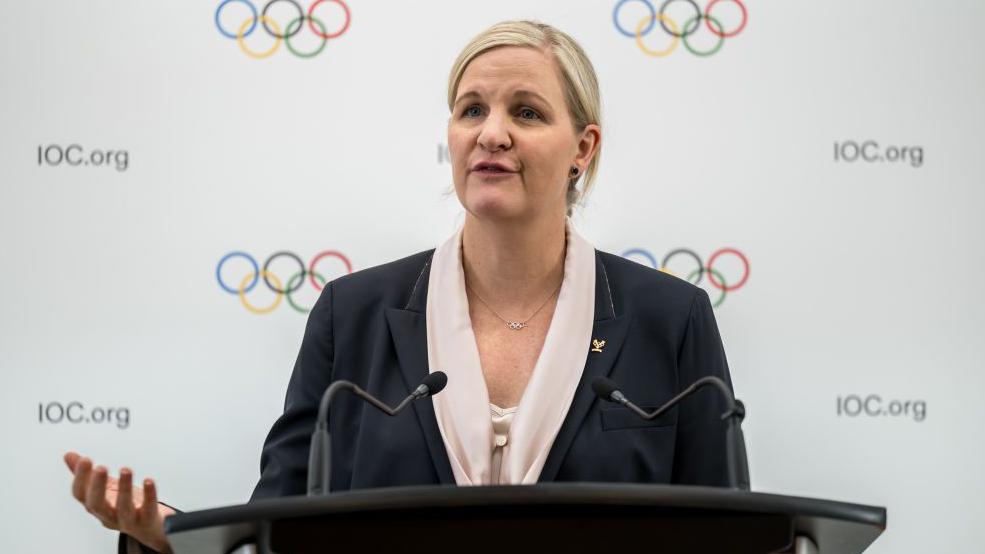
IOC president Kirsty Coventry stated that the policy was led by medical experts. She emphasized the importance of fairness in competition, saying, At the Olympic Games even the smallest margins can be the difference between victory and defeat. So it is absolutely clear that it would not be fair for biological males to compete in the female category. In addition, in some sports, it would simply not be safe.
The IOC's decision to limit female sports eligibility is a significant shift from their previous practice of allowing individual sports governing bodies to establish their own criteria. This decision comes amid growing concerns about fairness and safety in women’s sports, particularly in light of recent controversies surrounding transgender and DSD athletes.
The screening will detect the SRY gene, associated with male development, using less invasive methods such as saliva, cheek swabs, or blood samples. Athletes not showing this gene will be permanently eligible for women’s competitions.
However, athletes failing the test can compete in other classifications, including male categories and events where sex is not classified.
This policy change has been met with mixed reactions, with supporters arguing it is essential for maintaining fairness, while opponents criticize it for being invasive and potentially harmful to the athletes' rights and mental health.
The IOC's decision was influenced by feedback from over 1,100 athletes consulted during the policy formation. As the conversation around transgender rights in sports continues, this rule could pave the way for future legal challenges and further discussions on inclusivity versus fairness in athletics.