In brief
Abdulrahman Alfozan, a former engineer at OpenAI, is charged with planting a hidden recorder in a San Francisco conference room. The device, wrapped in toilet paper and plugged into a USB port behind a TV, was detected by the company’s own AI models, which traced it back to Alfozan. FBI prosecutors claim he sought confidential product details and used the company’s chatbot to plan the operation. The engineer faces up to five years in prison and a $250,000 fine; OpenAI says no sensitive data was accessed and has fired him. The incident underscores insider‑threat concerns in the evolving AI landscape.
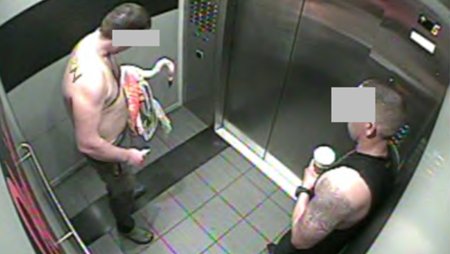
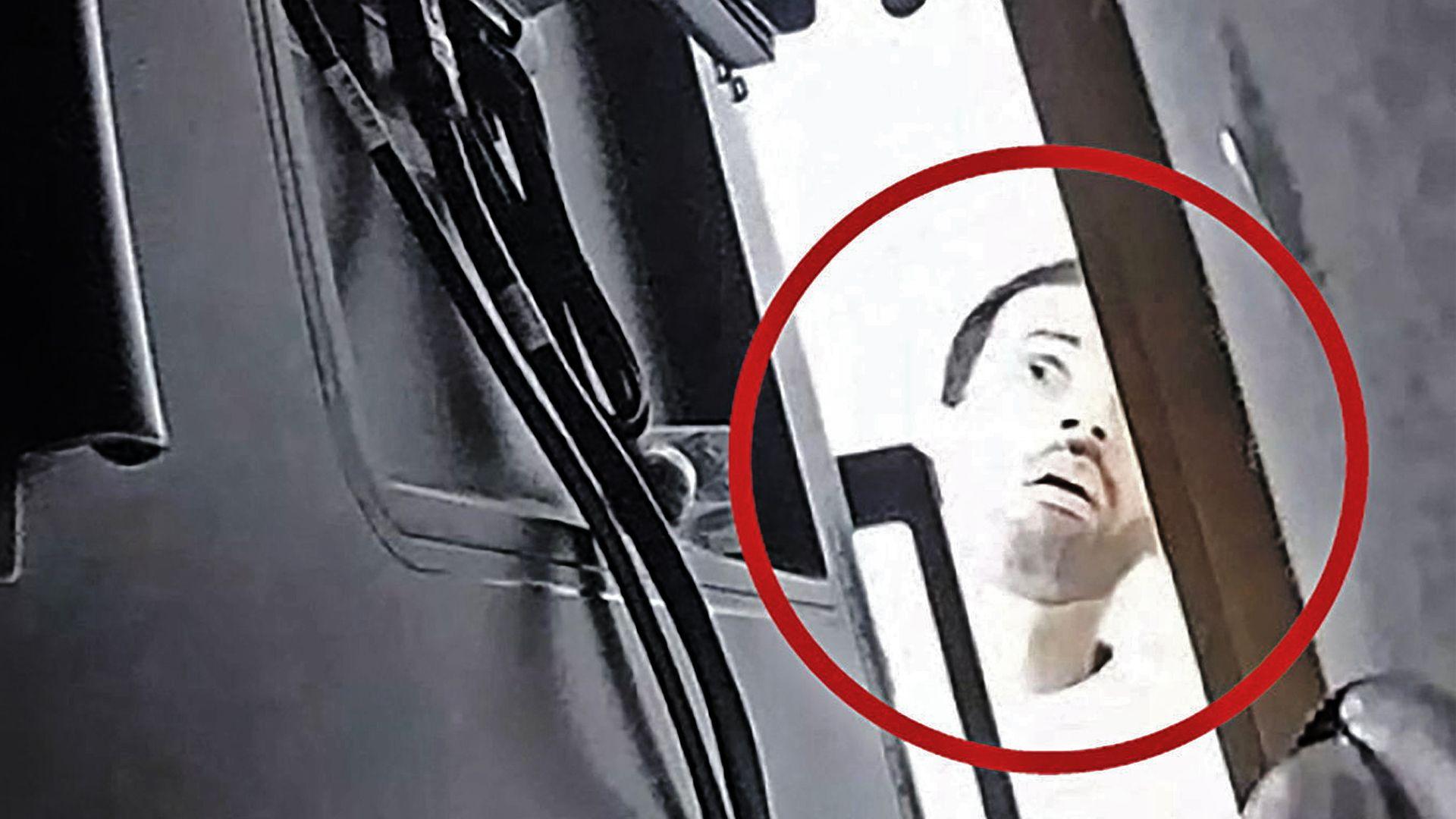
A Saudi national, Abdulrahman Alfozan, who worked as an engineer at OpenAI in San Francisco, faces federal charges for planting a hidden recorder inside a conference room.
Sources say the small, waterproof unit was wrapped in toilet paper and fitted to a USB port behind a TV, making it nearly invisible to staff.
The device was found on 30 September by the company’s own AI models, which flagged unusual patterns and traced its origin back to Alfozan.
FBI officials argue he wanted confidential details about OpenAI’s products, claiming he used the chatbot to research how to install and encrypt a continuous audio recorder.
If convicted, he could serve up to five years in prison and face a $250,000 fine, while OpenAI says no sensitive data was compromised and has already fired the employee.
The case highlights the risks of insider threats in the era of advanced AI, prompting firms to double‑down on internal security checks.