In brief
Many seniors in China, especially those who have lost partners or face health challenges, now feel "talking to the TV" is the only way to cope. A growing industry of paid "companions" has emerged in cities like Beijing, offering meals, repairs, and companionship for a fraction of a regular caregiver’s fee. Wang Yingwei’s team helps 91‑year‑old Yang with everyday tasks, while medical escort Liu Yanyan supports young patients navigating hospitals. As this lonely‑care sector is monetised, it raises questions about the nature of friendship, social equity and the commodification of human connection.
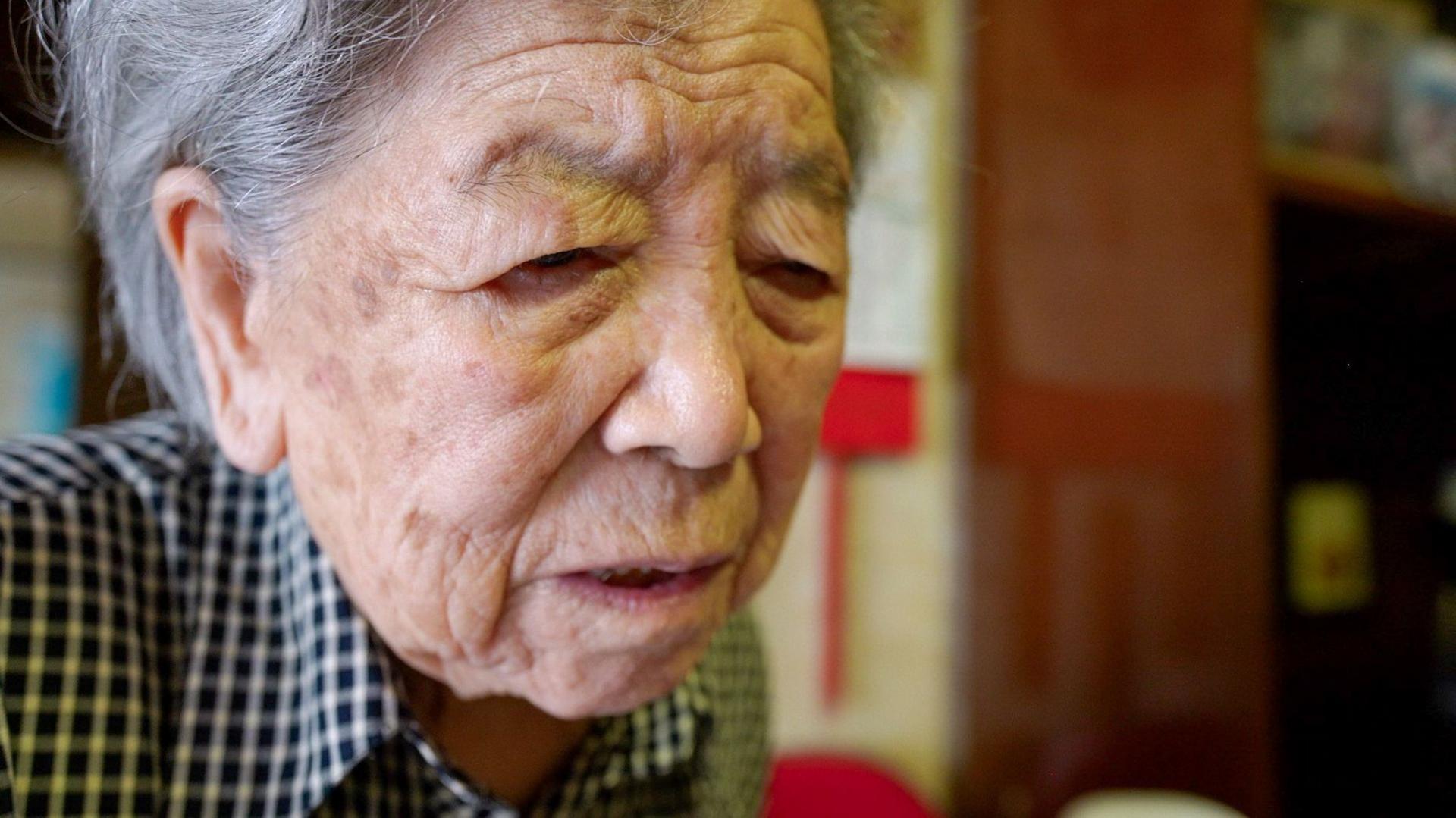
"I’d talk to the TV," says Yang, 91, who after her husband’s death felt so alone she even considered voluntary euthanasia. Her loneliness turned her toward a new industry: paid companions.
In Beijing’s outskirts, Wang Yingwei and his delivery crew started visiting Yang twice a day, bringing hot meals and fixing simple home problems like a broken air‑conditioner. The service costs less than half a professional caregiver’s fee.
Wang’s team defines themselves as “community children,” stepping into seniors’ needs with empathy. They bring filtered water, replacement parts, or just a listening ear, turning mundane visits into meaningful interactions.
The sector also includes medical escorts, like 23‑year‑old Liu Yanyan, who accompanies clients through intimidating hospitals, and hiking guides such as Wang Zhoutao, who climb China’s famous Yellow Mountain with lonely hikers, offering encouragement and photo opportunities.
According to Chinese University of Hong Kong professor Teresa Kuan, this emerging market addresses a societal gap created by urbanization and a lack of traditional support networks. As this lonely‑care industry grows—valued at an estimated $7.4 billion in 2025—it raises questions about how we value human connection when it can be bought.
Now, Yang thanks the organizers for giving her more than food: “Someone is here when I need them, and we can share our deepest thoughts.” The companionship she once feared might be a meager chat on her TV has turned into a lifeline.