Cubans Rap Pot‑Banging While Darkening Cuba Oppose Power Cuts
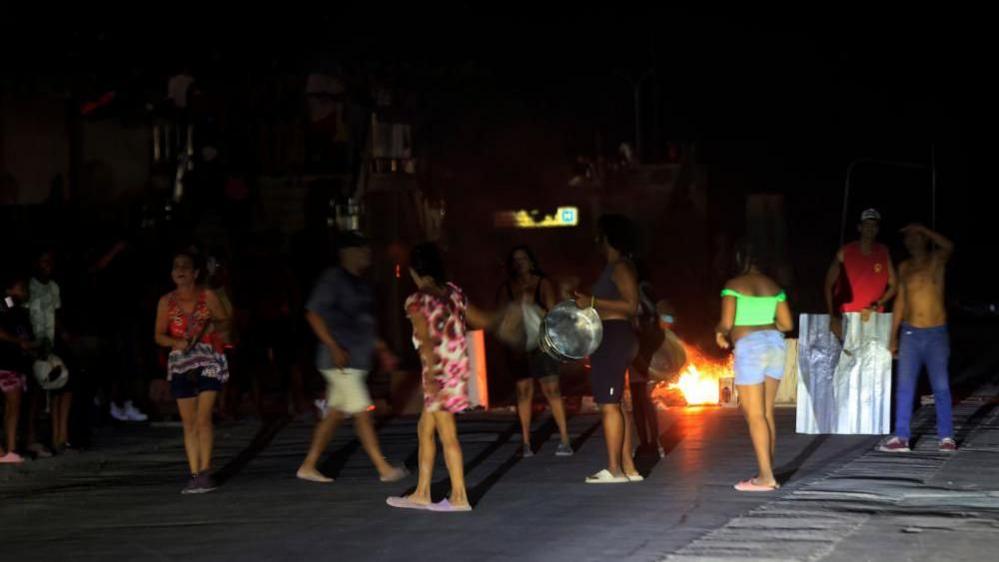
On Tuesday evening in Havana and other cities, Cuban residents took to streets, clanging pots and burning rubbish to voice their frustration after the third nationwide blackout this year. The street scene turned into an impromptu protest, with people shouting “turn on the lights!” as some areas remained dark even after the state electricity agency re‑established supply.
Power outages have been escalating: the latest unplanned cut was the third in only six months. Rural zones have reported being plunged for up to 70 hours, while urban centres endure planned 30‑hour outages, exacerbating an already strained energy system that relies heavily on imported fuel.
Fuel shortages are worsened by U.S. sanctions that block oil shipments and limit the supply of diesel for generators—an essential backup during blackouts. Even those with generators often lack the fuel to keep them running, turning power cuts into a daily hardship.
President Miguel Díaz‑Canel blamed the United States for the escalating crisis, telling reporters that “people bang pots” due to the U.S. blockade. The U.S. Ambassador to the UN, Michael Waltz, countered by directing criticism at Cuba’s own management of resources, asserting that “there always seems to be enough power for the Cuban dictatorship.”
The power crisis sits amid a decade‑long geopolitical spat, intensified by Trump-era sanctions and recent diplomatic tensions such as the seizure of former Venezuelan President Nicolás Maduro’s jet and the blunted fuel blockade. While negotiations continue behind closed doors, the public’s nightly protests underline how external pressures can transform into domestic unrest and a call for liberation of essential services.