In brief
Record‑low water levels hit the Rhine in Germany and the Netherlands, while the Danube and Po face similar crises. The drought leaves shipping routes risky, power plants offline, and crops thirsting for water. Climate‑driven heat and increased evaporation are driving the crisis. European authorities warn that temporary or lasting disruptions could ripple across the continent’s trade and food chains.
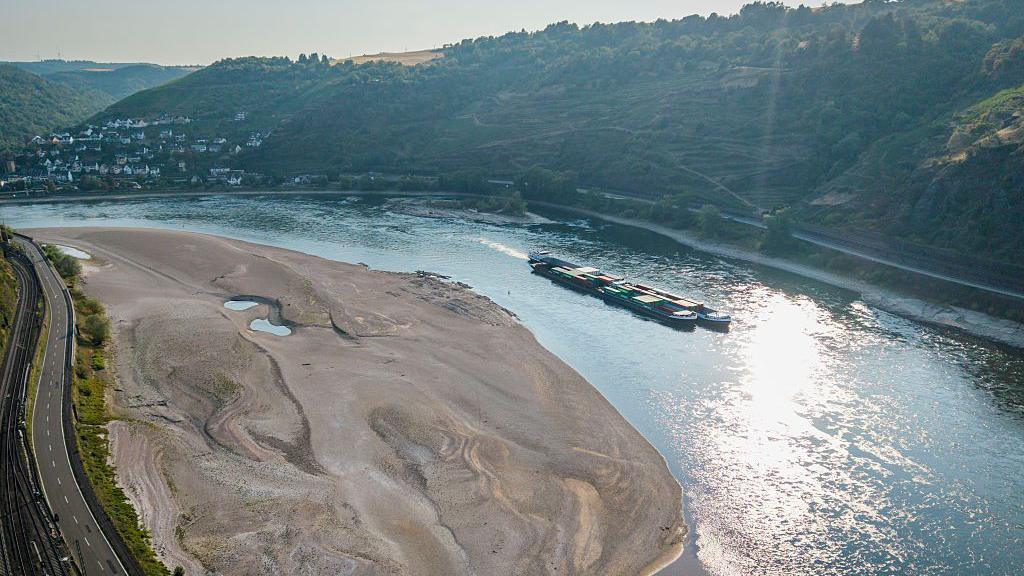
The River Rhine has slipped to its lowest recorded levels in many parts of Germany and the Netherlands, a cliff‑edge drop caused by relentless heatwaves swirling across Europe.
Late July measurements in Cologne and at the German‑Netherlands border point in Lobith fell below any seen since the start of record‑keeping, while the world’s biggest inland waterway is now being debated as a potential bottleneck for continental trade.
Other rivers are flaring similarly. The Danube, which snakes through ten countries, saw its lowest water levels in thirty years, causing the Hungarian nuclear plant to restart cautiously. Italy’s Po, the country’s longest river, set a historic low near Cremona, putting the entire Po Valley on a high‑drought alert.
Governments warn that the low water will restrict cargo ship loading on the Rhine, meaning ships may have to run lighter or split cargo across more vessels – a recipe for higher shipping costs and supply‑chain slow‑downs.
Moreover, the Danube’s low flows shut down cooling systems at Hungary’s only nuclear power plant and forced Serbia to slash coal‑plant output. Hydro‑electric dams are struggling to meet demand while farmers lose precious irrigation water.
Experts from the World Weather Attribution group point out that while rainfall hasn’t dropped globally, human‑caused climate change steers higher temperatures to evaporate more moisture, making droughts increasingly common.
Key Takeaway: Europe’s rolling rivers face unprecedented low levels from scorching heat, threatening freight, electricity and food systems across the continent.