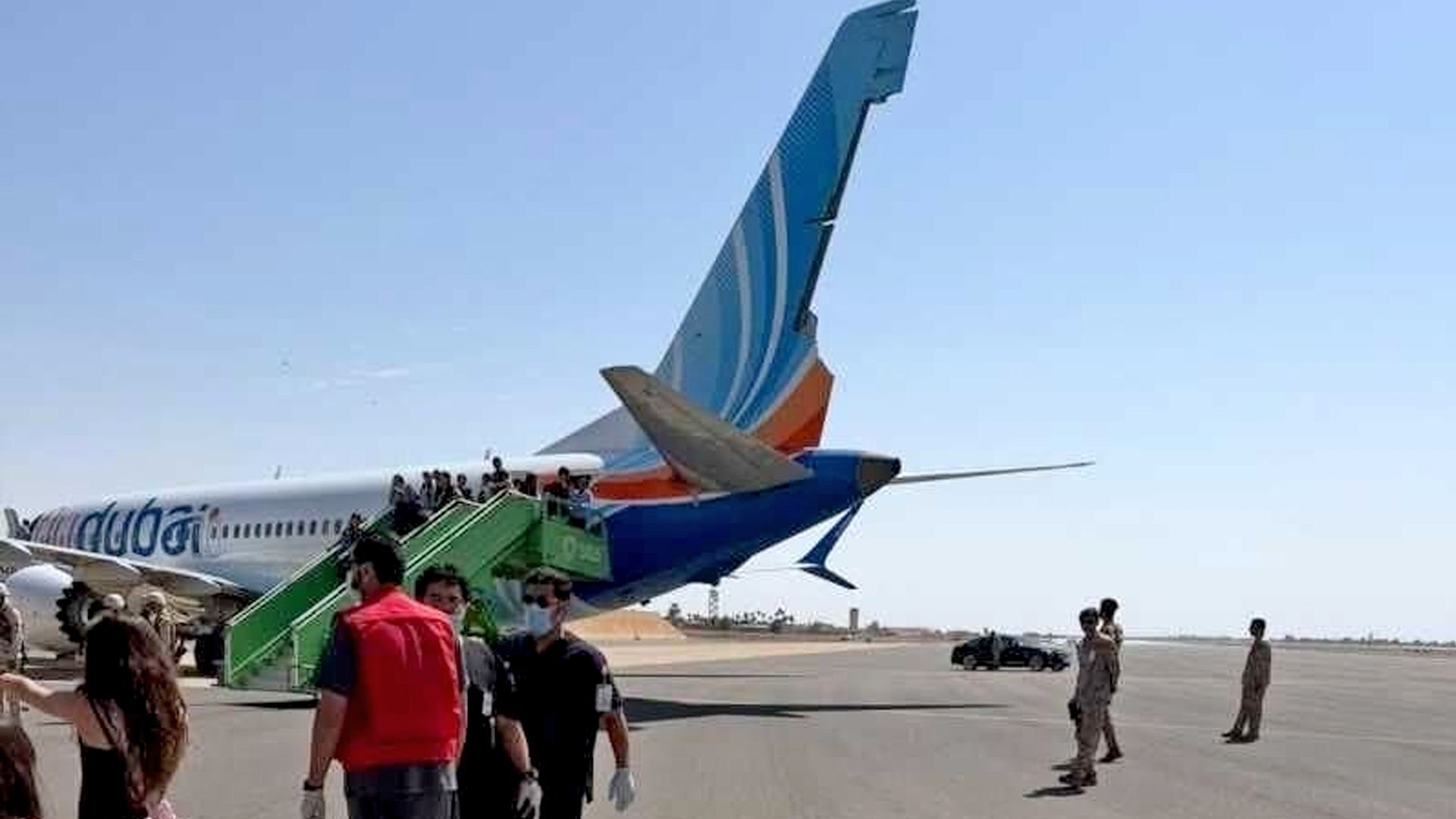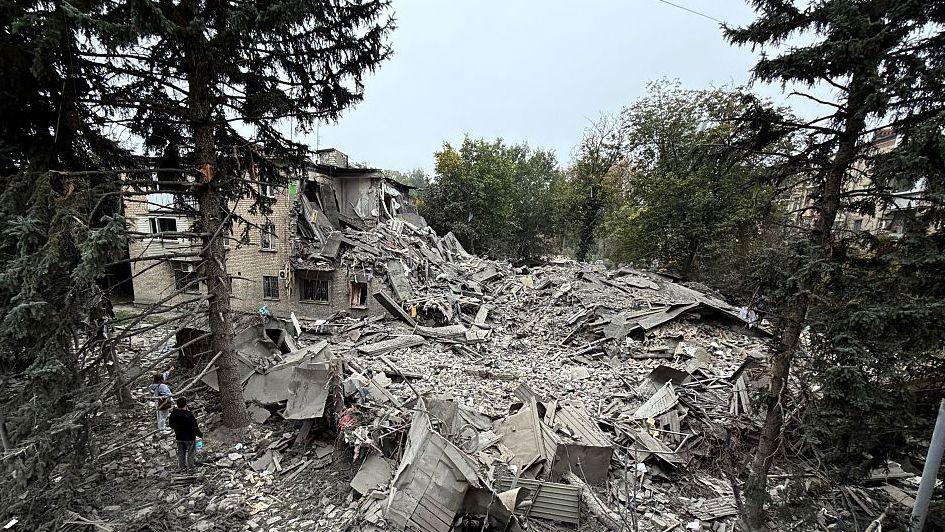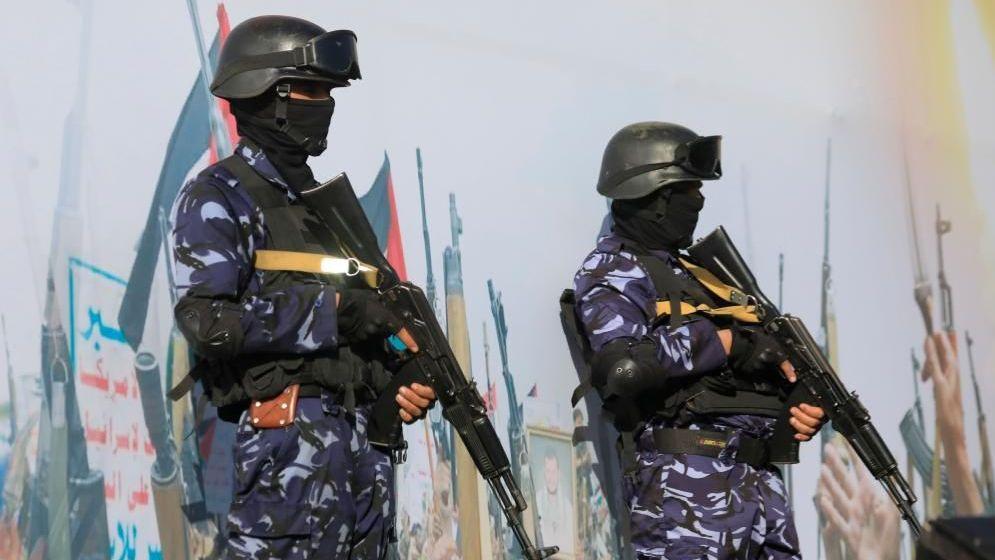
The Houthis struck King Khalid Airport in Riyadh, Saudi Arabia’s main gateway, in a bold attack that exposed a fresh vulnerability in the kingdom’s security strategy. This exception‑not‑an‑exception move follows a wave of Houthi bombings on Saudi soil, proving that the rebels can slip past air defenses and target key infrastructure.
The attack fits into a broader conflict over Yemen where Iran‑aligned militants have seized large portions of the country, especially along the Red Sea coast. Their goal? To pressure Saudi Arabia and its allies by threatening the vital maritime corridor that fuels global trade.
Saudi Arabia’s military has long been the most potent in the Middle East, yet the Houthis’ target choice—soft economic and logistical hubs—shows a strategy that sidesteps heavy strikes and keeps the kingdom’s image of stability in jeopardy.
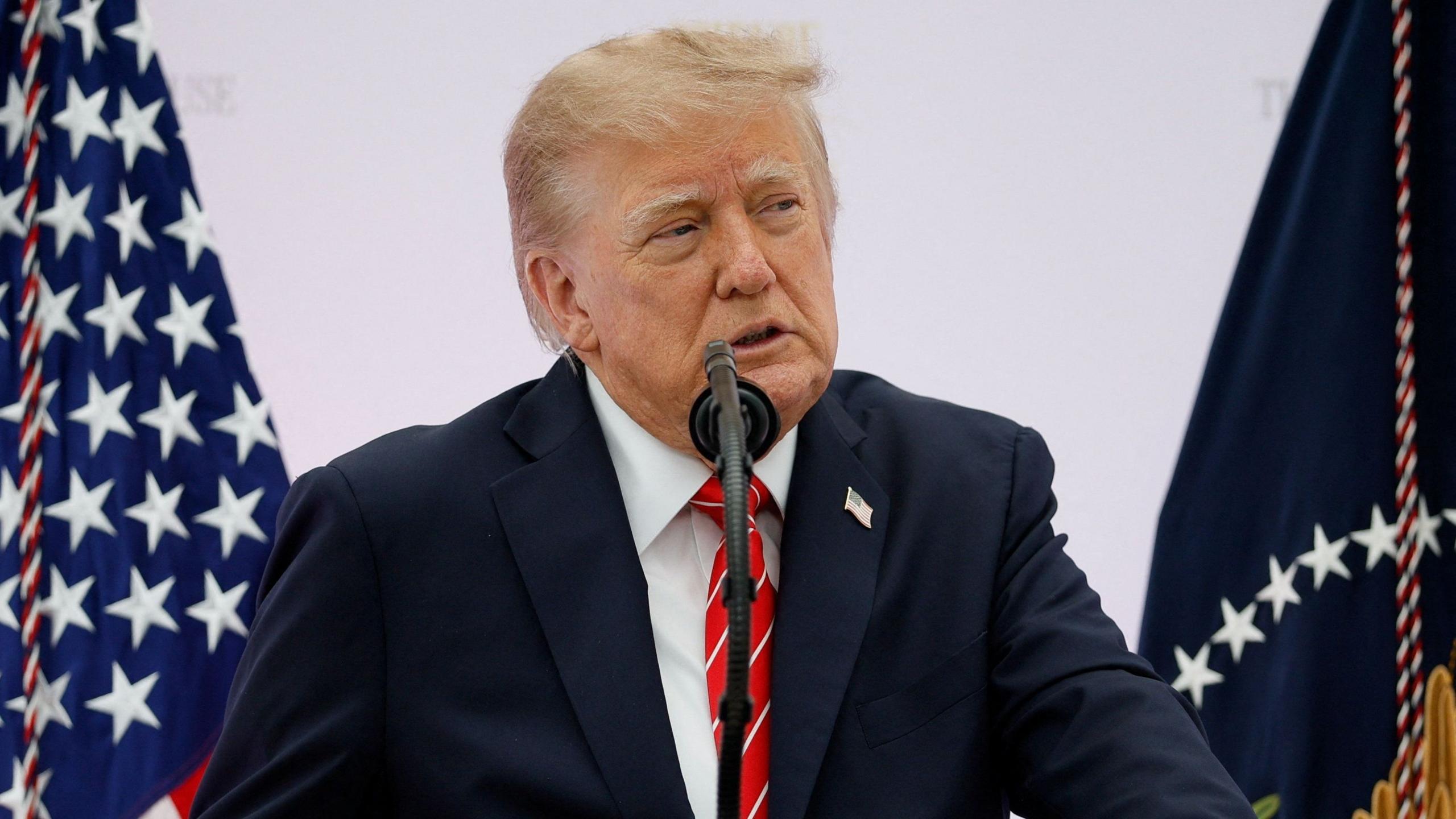
The United States, already stretched over conflicts in Gaza, Lebanon, and Iran, has signaled that it might stay spectator to the Yemeni crisis. A shift toward direct intervention would create domestic backlash ahead of the national midterm elections.
In sum, the Riyadh airport assault marks a dangerous escalation that may invite further U.S. military involvement or lead to a larger regional showdown, while the Houthi‑Iran alliance leverages economic disruptions to wring leverage from the Gulf.