Finding Warmth in Chaos
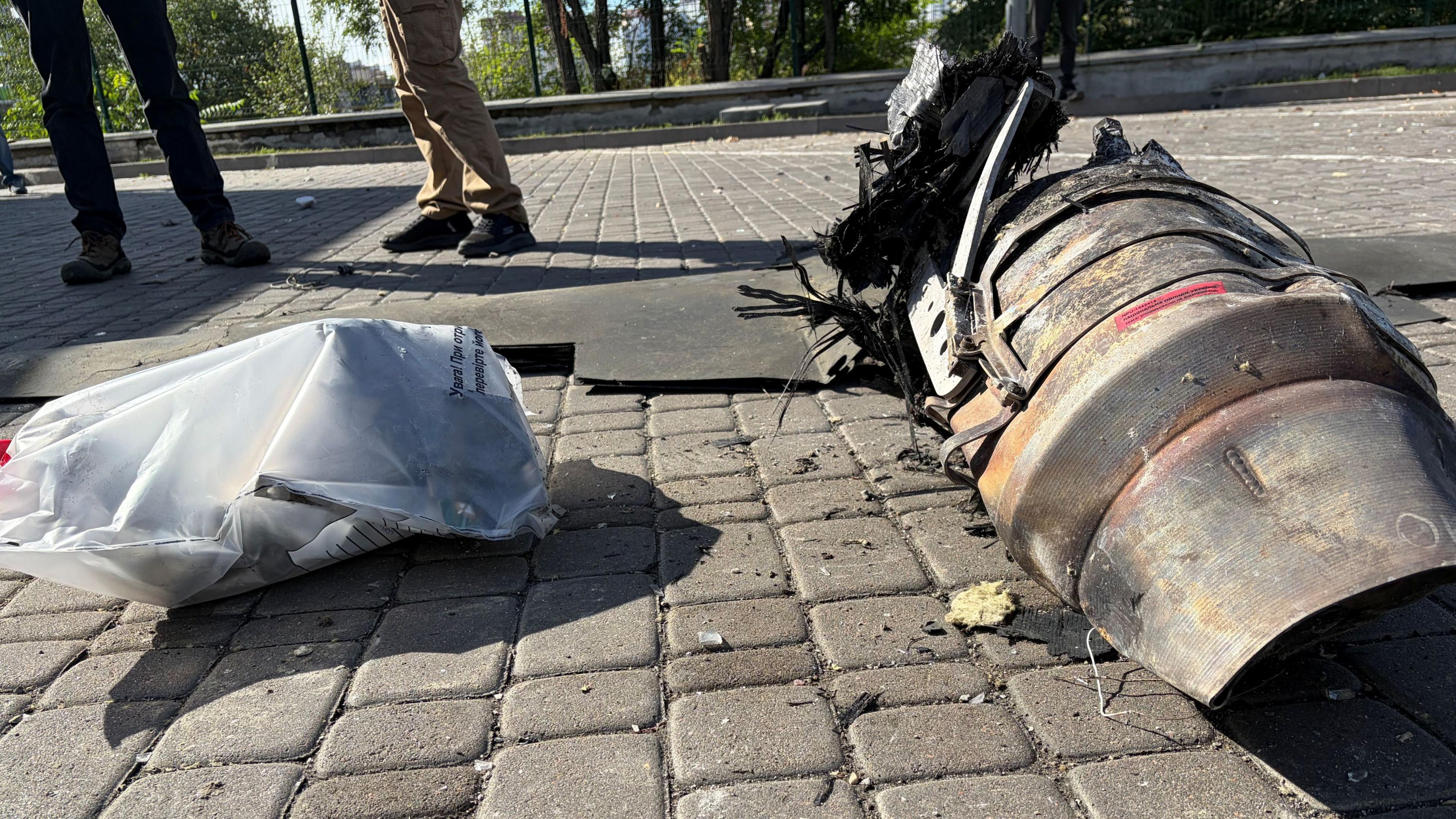
In the chilly streets of Kyiv, a new kind of migration is in motion. Parents like Mariia Shostak are packing up their small flats not because of a stray cat but because the city’s skies are now full of drones and missiles that reach right into their rooftops.
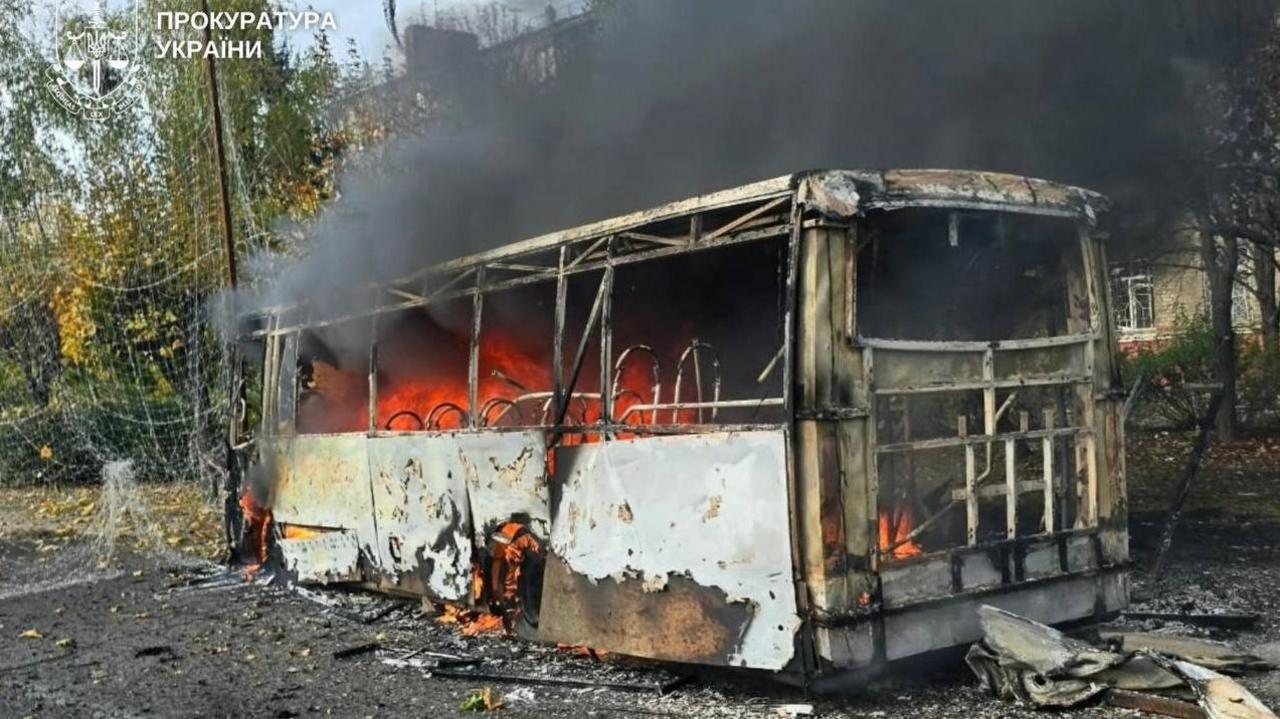
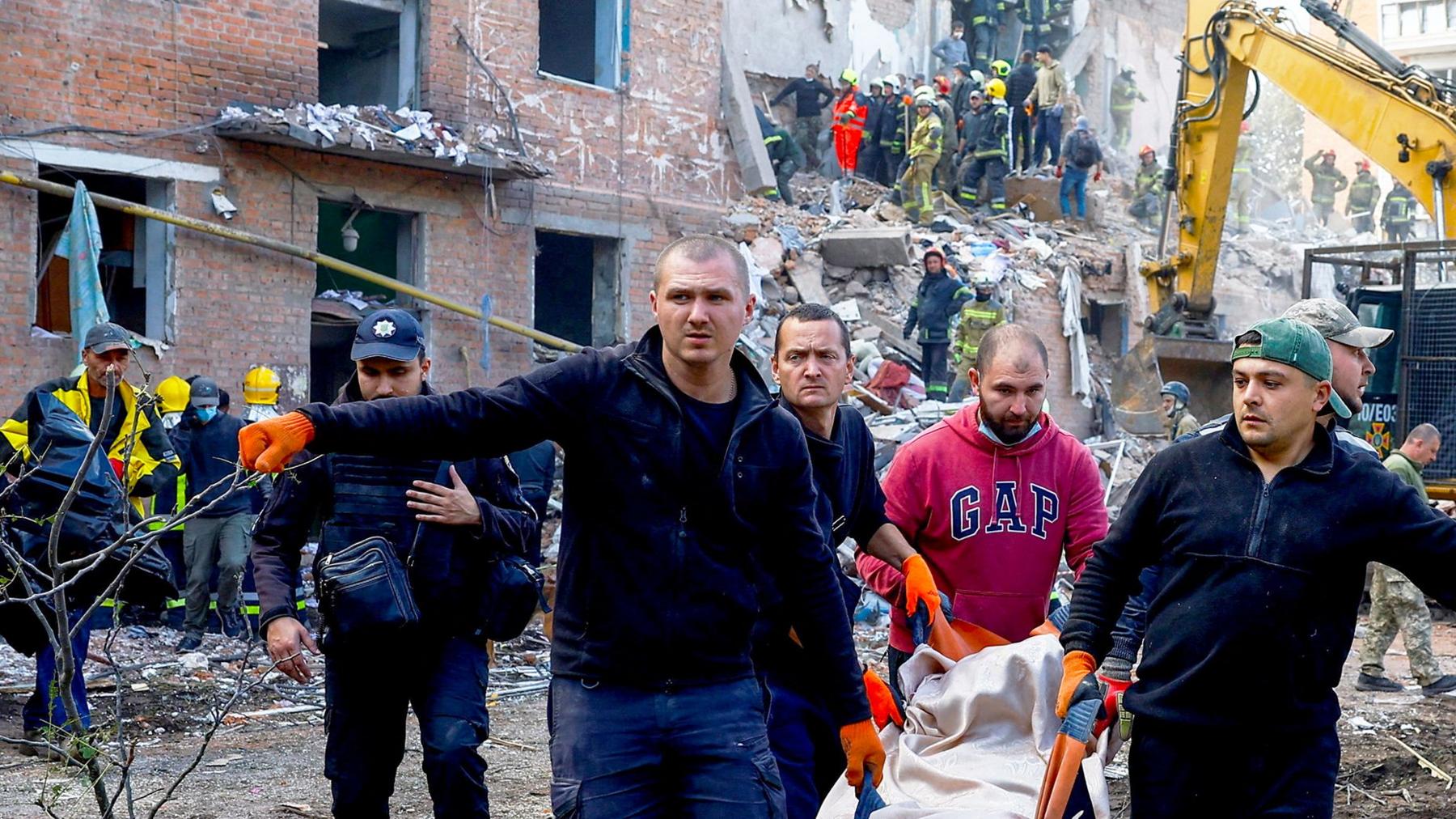
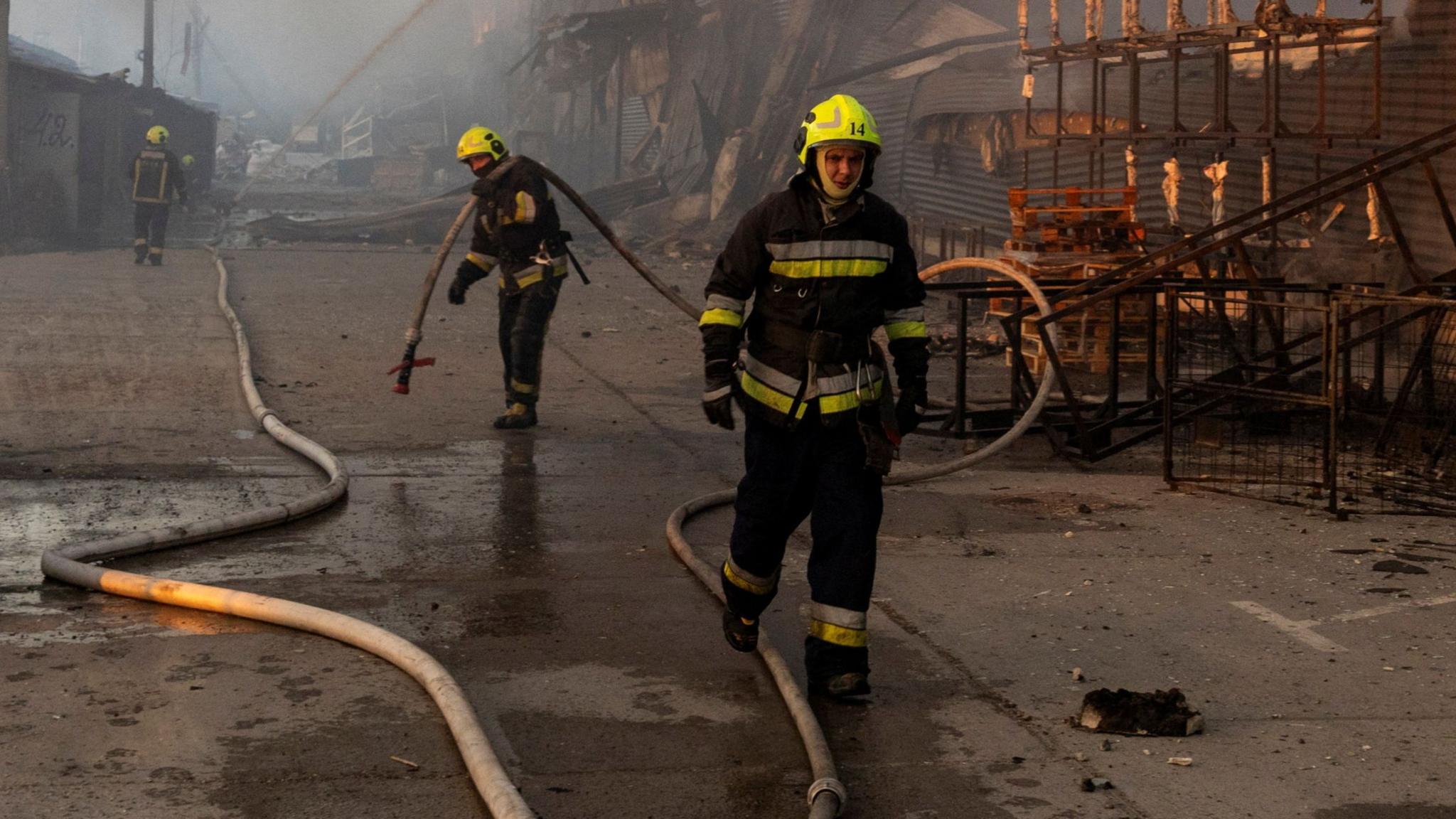
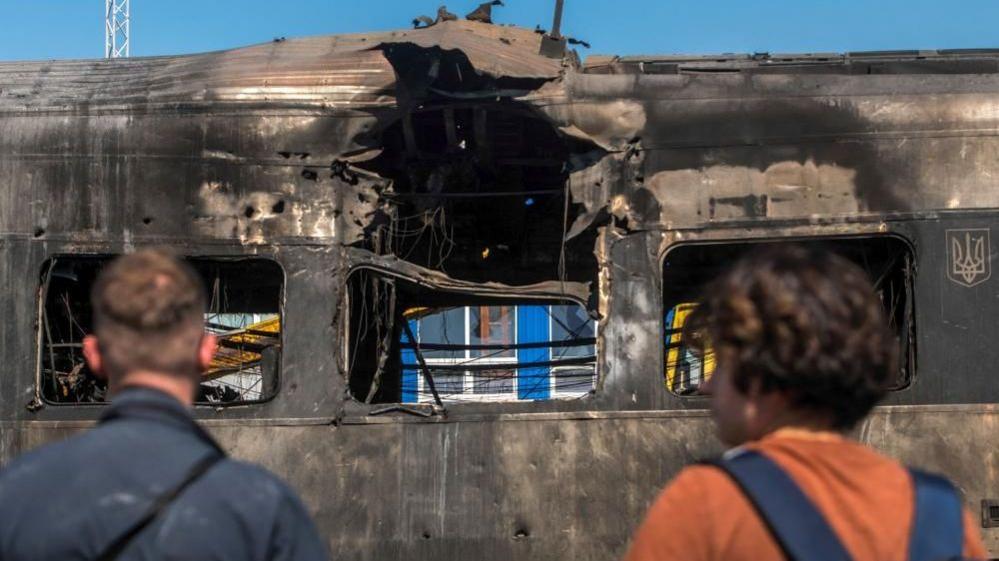
Two reasons pull families away: the relentless winter that turns apartments into frozen rooms, and the Russian attacks that hit streets, power plants, and bridges. Last winter was already a test of endurance: sub‑zero temps and blackouts moved households into temporary shelters.
Now, for some, the answer is sunny beaches. Mariia’s kids—four‑year‑old Artur and two‑year‑old Kira—will spend the season in Hurghada, a cheaper, warmer spot along Egypt’s Red Sea. “I don’t feel safe in Ukraine in any way,” she says.
The wave isn’t only limited to foreign islands. Another resident, Olena Konoplia, chose a quiet village two hours from Kyiv, choosing a cottage surrounded by forests, no factories, no railways—no obvious drone targets. She says the silence helps her sleep and work.
City officials are working on relief too: small, fortified power plants around the capital and a network of converted sanatoriums for the most vulnerable. Yet, with scheduled outages and supermarket shortages, the temptation to leave grows.
Surveys by Gradus show that 40% of Ukrainians are weighing relocation, 35% plan to stay, and 25% are still deciding.
For now, many Kyiv residents are holding their ground, doing what they can to survive another tough winter in the capital. But the stories of families moving for safety, warmth, and peace reflect a city that’s being pulled in more ways than one this winter.