Ukrainian Trains on High Alert as Drone Attacks Escalate
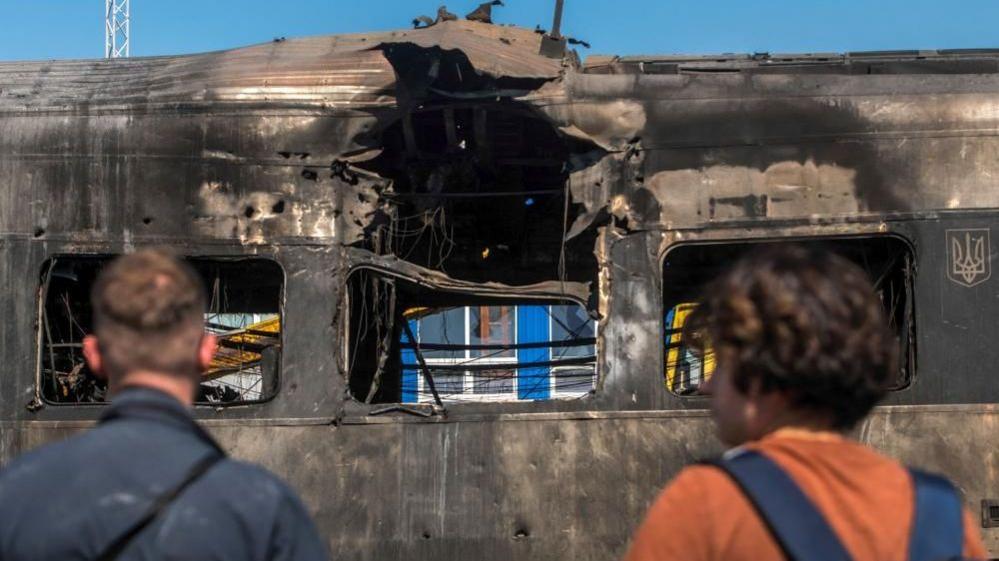
Ukraine’s rail network has been the lifeline of the country since the 2022 invasion, but it is now under a new kind of threat. Drone strikes have intensified, with nearly 60 % of all locomotive hits happening this year alone.
Yuliia Ponomarenko, 27, told us her journey from Kharkiv to Warsaw was cut short just shy of the Polish border. Border guards shouted, “Run! Get out of the carriages! There’s shelling!” A drone had just hit a locomotive nearby, and a special train carrying Boris Johnson had passed minutes earlier.
The incident left Yuliia’s passengers waiting for six hours while the line was cleared. She said the delay was a small mercy: if their train had been hit, the consequences would have been much worse.
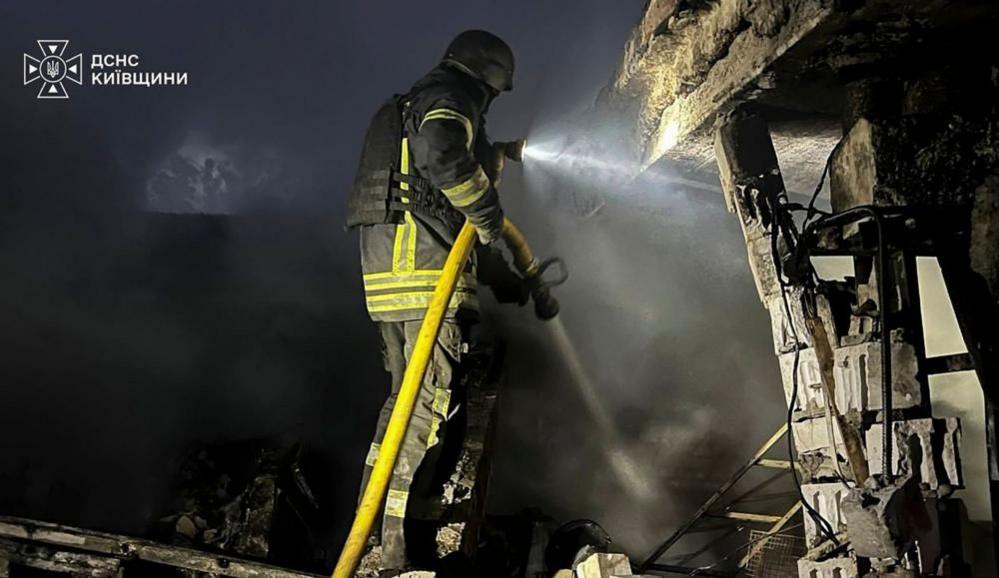
In September alone, 5,831 trains were evacuated because of drone attacks, averaging 205 per day. Ukrainian rail workers have had to learn how to leave trains, check Telegram for alerts, and keep families informed.
Anastasiia Levchenko, 17, also escaped danger when a drone struck near her train on a night trip from Odesa to Kirovohrad. A loud explosion forced passengers into the woods, and she later decided she would never travel by rail again.
Ukrzaliznytsia’s chief, Oleksandr Pertsovskyi, says the company has always boasted a high punctuality record, but the new wave of attacks makes safety the top priority.
Russia’s ministry claims the rail attacks target military logistics, not civilians. Still, the number of attacks on locomotives and stations has surged from 1,206 in 2025 to 1,700 in 2026.
Behind the scenes, a “Iron Command Centre” in Kyiv monitors drones in real time. Each drone’s 100‑km zone marks trains that must be evacuated before reboarding.
The rail operator has kept casualties low, with only eight employees killed, six of them by a missile at a Kyiv depot. Yet passengers often find themselves stuck on platforms with sirens blaring as trains are pulled out of danger.
With winter approaching, Pertsovskyi says the rail company is preparing winter evacuation packs, mobile shelters, and bus services for frequent evacuations.
Despite the escalating danger, the railway remains determined to keep Ukraine connected, whether the temperature drops to –20 °C or the enemy’s drones buzz overhead.