When the windows suddenly turn into a winter wonderland, Kyiv's residents are swapping rinks for vacuums.
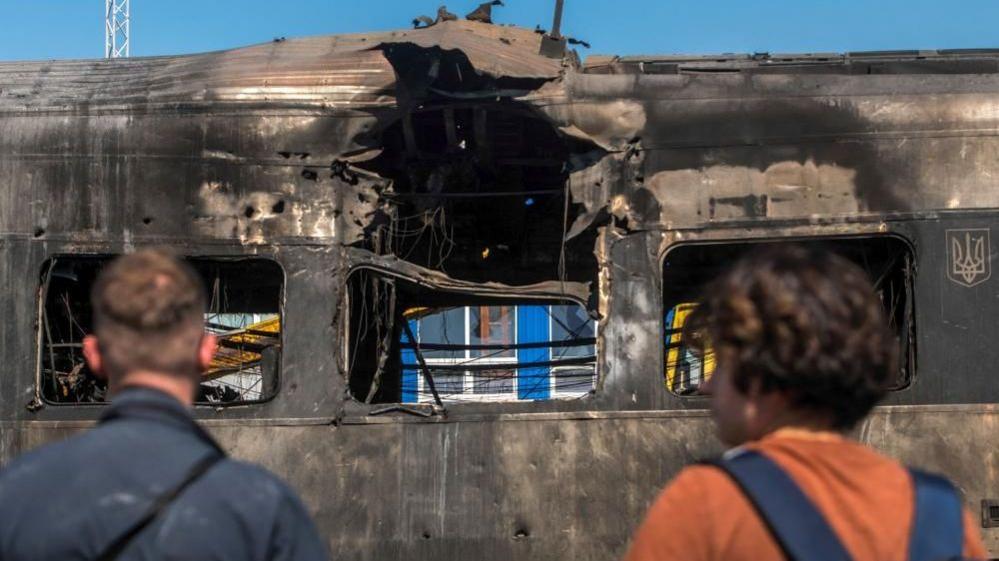
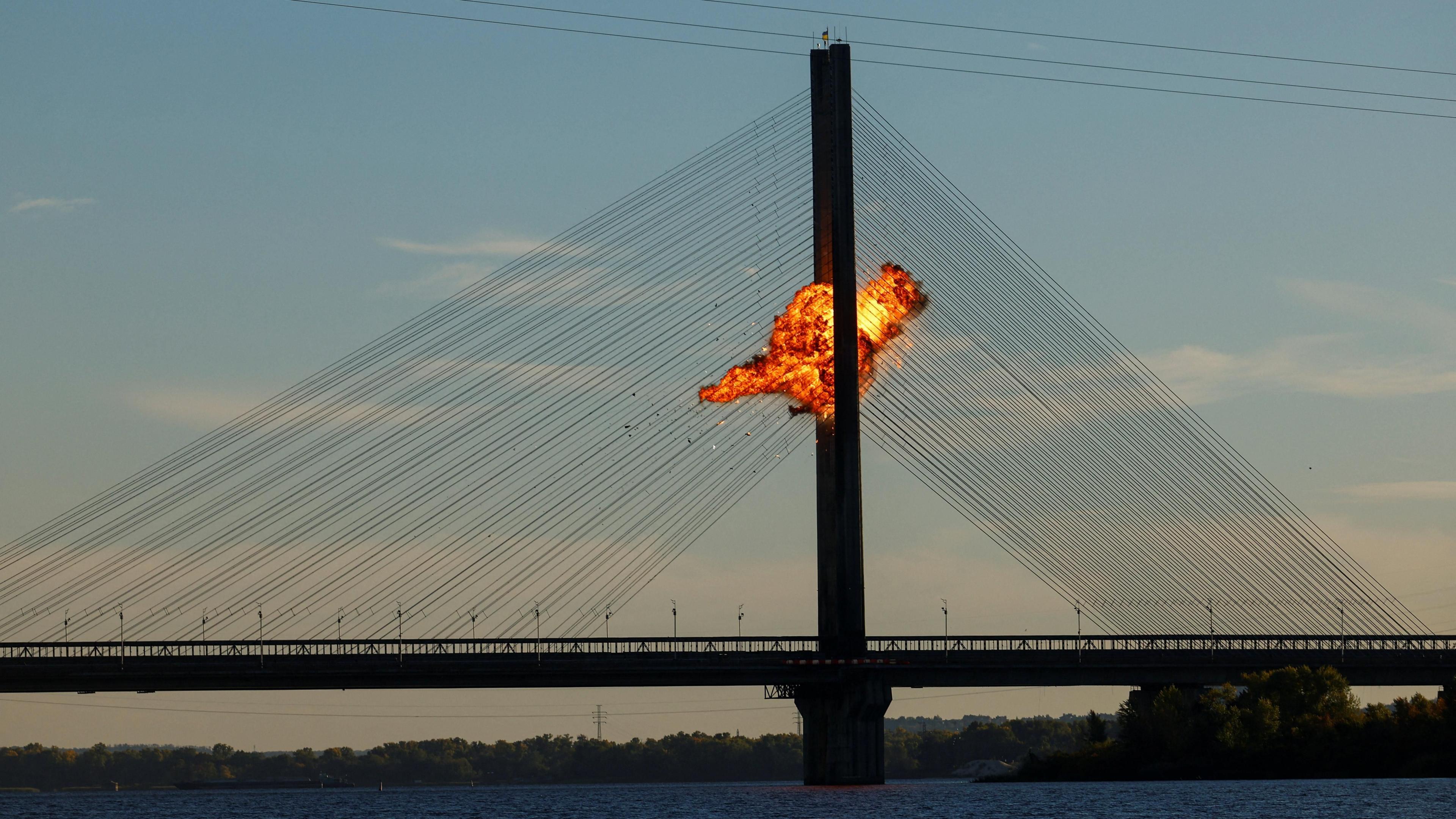
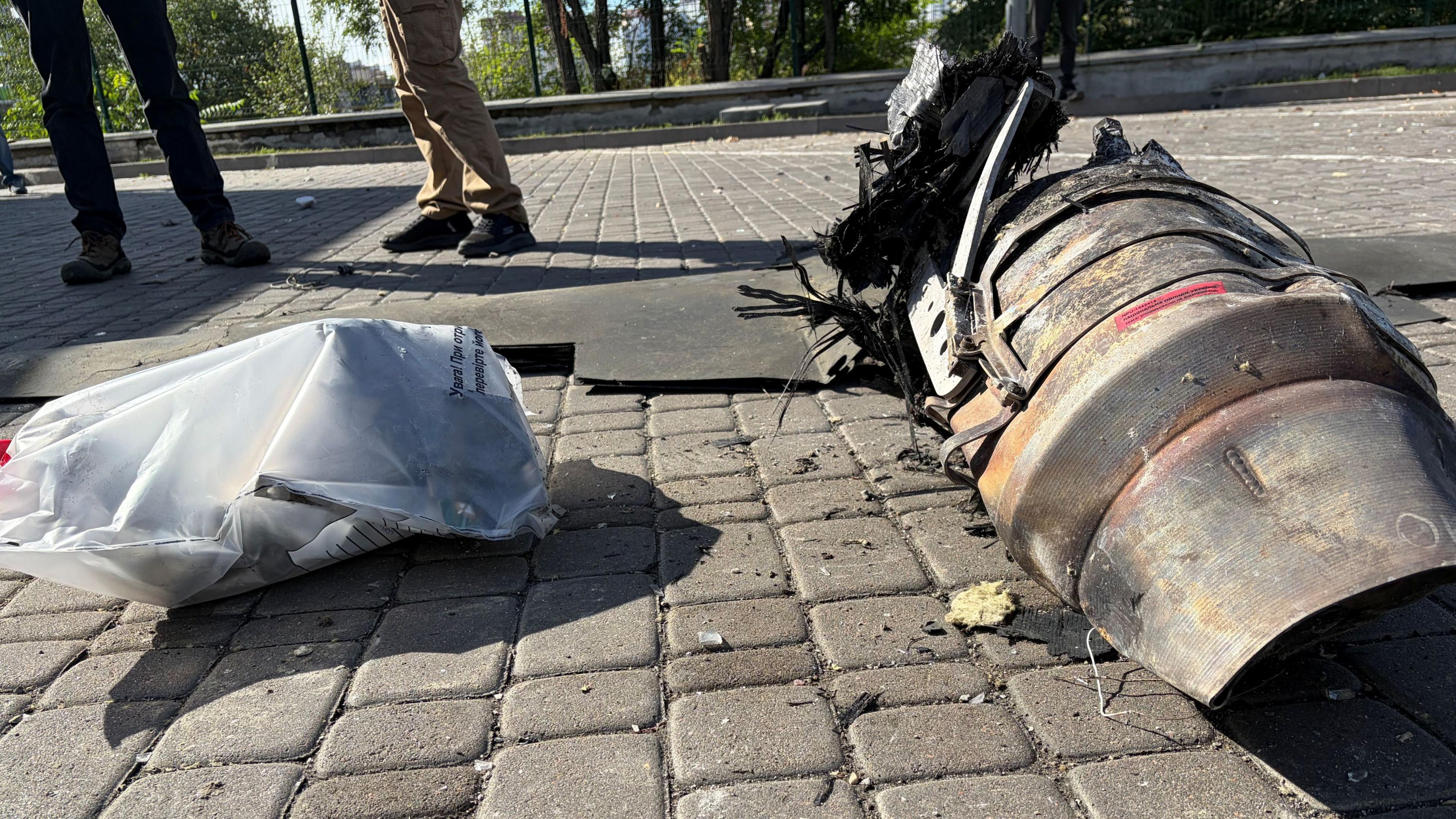
All the winter did was add one more weapon to the war: glaring drone strikes that now touch the homes of mothers, daughters and children. "Last year was brutal," Mariia Shostak says while packing her child’s school supplies. "I can’t risk another winter like that."
Her big decision? A five‑hour flight to Egypt’s Red Sea city of Hurghada for the rest of the season. "It’s warm, cheaper than Europe, and I feel safer there," she explains. This story isn’t unique – a new survey from the Gradus firm shows 40% of Ukrainians would move if the city’s future looks bleak.
Not everyone can drive across the continent, so many families find refuge closer to home. Olena Konoplia chose a half‑hour drive north where a cottage sits beyond the reach of factories and railways. Stirred by the constant sirens, she says a quiet, fire‑heated cottage feels like a shield. 🎉
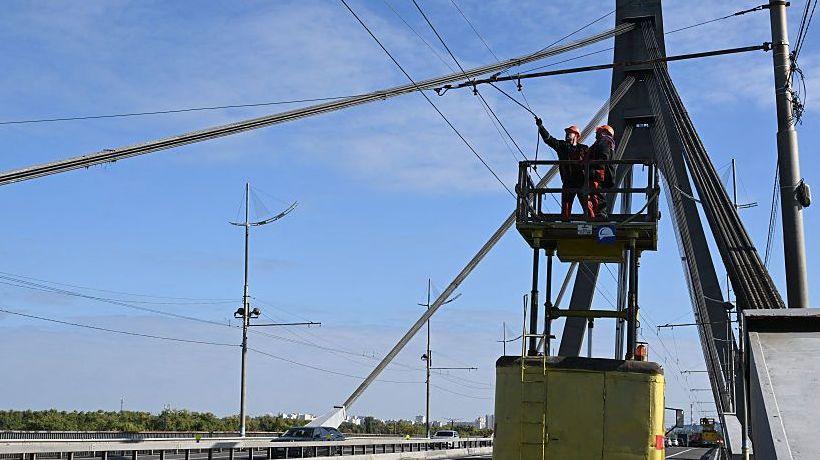
The city is reacting too. A network of 15 mini‑power plants packed in iron bunkers now delivers heat and electricity to high‑rise blocks, and elderly and families with little kids can stay put in large forested hotels and sanatoriums. But the scent of survival smells of uncertainty: supermarkets run empty, power cuts are scheduled, and the blackouts loom.
"We’ll leave when life becomes unlivable," says Gradus CEO Evgeniya Blyznyuk. Yet the courage of those who stay, the hope behind the warmth of village cottages, and the stuck‑to‑home schoolchildren paint a city that fights on.