In brief
The Port of Rotterdam, handling almost as much cargo as all UK ports combined, is under scrutiny for the huge carbon footprint of its operations. A lawsuit by Advocates for the Future demands a concrete plan to phase out fossil‑fuel flows and accelerate greener alternatives. The port authority has pledged a 90% cut in direct and purchased energy emissions by 2030, will develop a hydrogen hub, let ships plug into grid power, and store CO2 offshore. Despite these targets, the port’s revenue remains tied to fossil‑fuel industries whose loyalty may lie farther away, making a full transition challenging but crucial for future competitiveness.
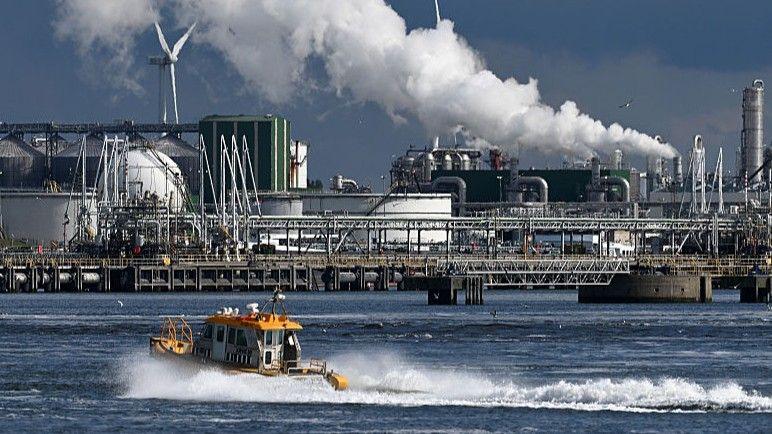
In the Hook of Holland, the Port of Rotterdam – Europe’s busiest freight hub – is under fire to stem the carbon drag of its daily activities.
Because the port processes millions of barrels of crude and exports passenger, bulk and container cargo, its energy use translates into about 600 megatonnes of CO2 a year – more than the entire Dutch aviation network.
Environment group Advocates for the Future has sued the port authority, demanding a clear plan to wind down fossil fuel flows and build greener alternatives such as hydrogen, LNG and biofuels.
Port officials say they will cut direct and purchased energy emissions by 90 % between 2019 and 2030, install a hydrogen testing hub, let ships plug into shore power and capture CO2 for storage offshore.
Still, the port’s biggest revenue comes from fossil‑fuel industrial tenants whose loyalty may lie in distant headquarters. Unrealised space and power limits make a full switch hard, but a step‑by‑step approach could keep Rotterdam on the world’s trade map while greening its future.
Experts say that regional rules – like the EU sulphur limits – can change behaviour, yet the biggest win needs Europe‑wide‑scale policy to close loopholes and keep cheaper energy hotspots from drawing business away.