In brief
The recent firing of health inspectors at border stations has sparked worries among scientists and health experts about the potential rise in diseases entering the United States.
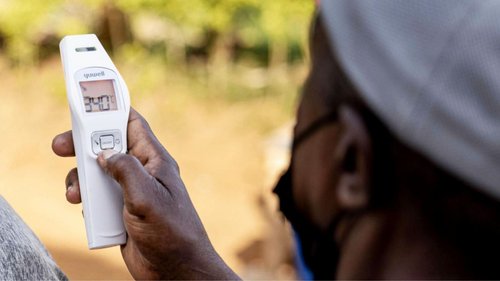
In a significant and controversial decision, the Trump administration has terminated hundreds of federal health inspectors spread across various border stations. These officials play a crucial role in monitoring sick travelers, examining animals for dangerous pathogens, and inspecting plants for infestations that could threaten U.S. agriculture. Experts have expressed alarm at the potential health risks this mass termination poses, as it leaves the United States vulnerable to harmful diseases. This shake-up comes amidst discussions within the administration about stricter measures for migrants, citing concerns that they may bring contagious diseases such as tuberculosis and measles into the country. Dr. Carlos del Rio, an infectious disease specialist at Emory University, emphasized that screening for communicable diseases at ports of entry is vital for public health and preventing outbreaks. He noted, "Not having public health employees to do this job is concerning and makes us less safe." With nearly 30,000 planes flying in and out of the country daily, and over 400 million travelers recorded in 2019 alone at more than 300 ports of entry, the lack of health inspections could have serious implications for national health security.