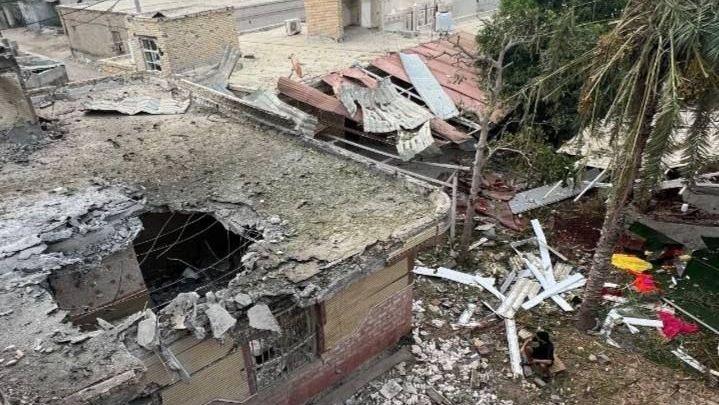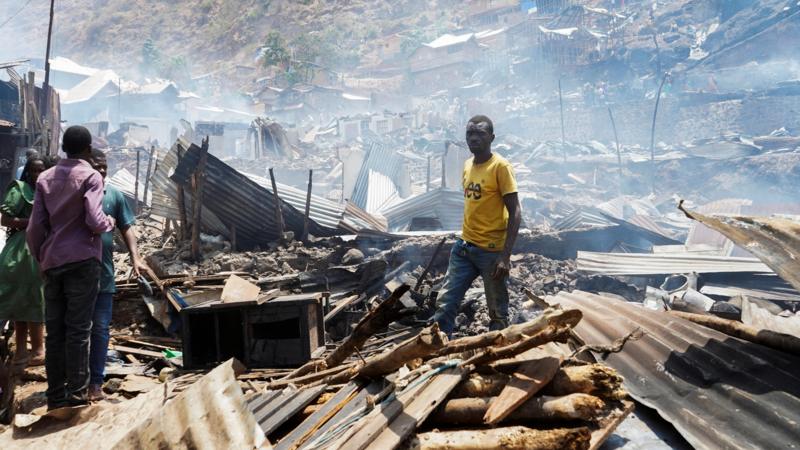
A blaze ripped through two schools in Bukavu, eastern Democratic Republic of Congo, as if it were suddenly turned on. Children, the ones we would count in our classroom leaderboard, fled in a frantic rush—only to be trapped by throes of smoke and frantic crowds. Reports from senior officials say at least 24 schoolchildren could have lost their lives in the stampede.
Teenager voices echo the horror: “Kids lying in the mud, their little bodies gone.” The picture beaten together by the fire is now a screenshot across social media, a stark image of a school turned into a tragic playground.
Adults also went missing. Hospitals are bustling with those moved by the flames—either because they were trapped or because the smoke knocked them out of the fight. The fallout? About 300 houses — the home of families — went up in flames.
Bukavu—a city perched on a hillside under M23 rebel control—is one of Congo’s densest urban areas. With winter around the corner, the heat‑plus‑noise is a recipe for danger. Officials are balancing rapid response with a risk assessment of the surroundings.
The government in Kinshasa tweeted a mission‑brief style condolence, noting the Ministry of Education’s “deep sorrow” and postponing an official death toll until after a provisional count is done. Safety guidelines—issued a week earlier after a Kinshasa wedding hall fire—are being enforced nationwide.
Future classrooms will see a new focus on fire drills and emergency exits as a response. Meanwhile, the city needs help in clearing smear smoke and ensuring those who survived can return to a classroom with a lighter fire risk.
Stay tuned. We will bring you updates on how the Dalic? emergency protocols are shaping tomorrow’s safe learning environment.