In brief
As energy prices surge due to the ongoing conflict in the Middle East, Singapore has implemented measures to tackle its air-conditioning addiction. Employees are urged to set office temperatures to 25C and embrace energy-saving technologies. With air conditioning deeply ingrained in its culture, the city faces a significant challenge to balance comfort and sustainability.
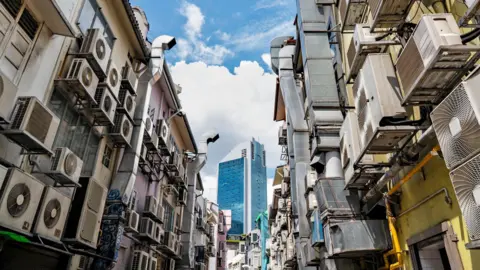
Singapore, famous for its extensive reliance on air-conditioning, is urging government employees to raise office temperatures to a minimum of 25C (77F) to respond to rising energy prices exacerbated by the Iran war. Public offices are also pushing for the integration of energy-efficient technologies like LED lights and smart sensors.This move isn’t isolated, as other Southeast Asian nations, including Thailand, are encouraging citizens to keep their air conditioning set between 26-27C. The ongoing conflict has severely impacted oil and gas shipments through the Strait of Hormuz, placing heavy burdens on energy-dependent countries.Former Prime Minister Lee Kuan Yew once credited air-conditioning with transforming lives in tropical regions, saying he prioritized its installation in civil service buildings to improve public efficiency. As air-conditioning has become ubiquitous in Singaporean offices and homes, many employees have even resorted to bringing sweaters to combat the chill of over-cooled environments. In response to the current crisis, Singapore's Ministry of Sustainability and the Environment highlighted that raising the air conditioning temperature by just one degree could result in a 10% reduction in energy consumption. Workers are also encouraged to switch to fans and opt for public transport to help save fuel. Overall, as energy prices rise, Singaporean authorities are taking the lead to conserve energy and maintain sustainability amidst a challenging global landscape.