In brief
China's economy grew unexpectedly by 5% in Q1 2026, surpassing forecasts amidst the challenges of the Iran conflict. This growth comes after a weaker 4.5% in the prior quarter, driven by manufacturing gains despite a backdrop of global economic disruptions.
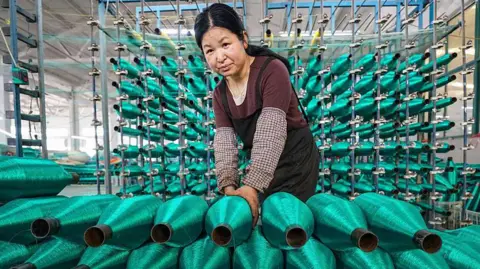
China's economy grew faster than expected in the first three months of the year, even as countries around the world feel the impact of the US-Israel war with Iran. Gross domestic product (GDP) rose by 5% in the period, compared to a year earlier, according to official data. Economists had expected the figure to come in at around 4.8%. Despite the conflict in the Middle East, which started on 28 February and has severely disrupted global energy supplies, China's economy showed resilience.This report marks the first release of official GDP figures since Beijing scaled back its annual economic growth target last month to a range of 4.5%-5%, its lowest expansion goal since 1991. The improvement from a weaker expansion of 4.5% in the previous quarter was primarily driven by manufacturing, although the world's second largest economy continues to struggle with declining property investment.Exports of cars and other manufactured goods emerged as a 'major bright spot' in the economic data, according to analysts. However, the full effects of the Iran conflict might not yet be apparent, and future GDP numbers may reflect potential trade disruptions.China's economic strategies revealed in March's Five Year Plan aim for investments in innovation and high-tech industries, promising a future focus on boosting domestic consumption. Meanwhile, the ongoing energy crisis due to the Iran war and continued US tariffs pose challenges. The upcoming meeting between US President Trump and Chinese President Xi Jinping in May could influence future trade dynamics.As the conflict escalates, the likelihood of inflation growth and shifting spending patterns could further impact both China's exports and overall economic outlook.