Soldiers outraged by Fedorov’s removal
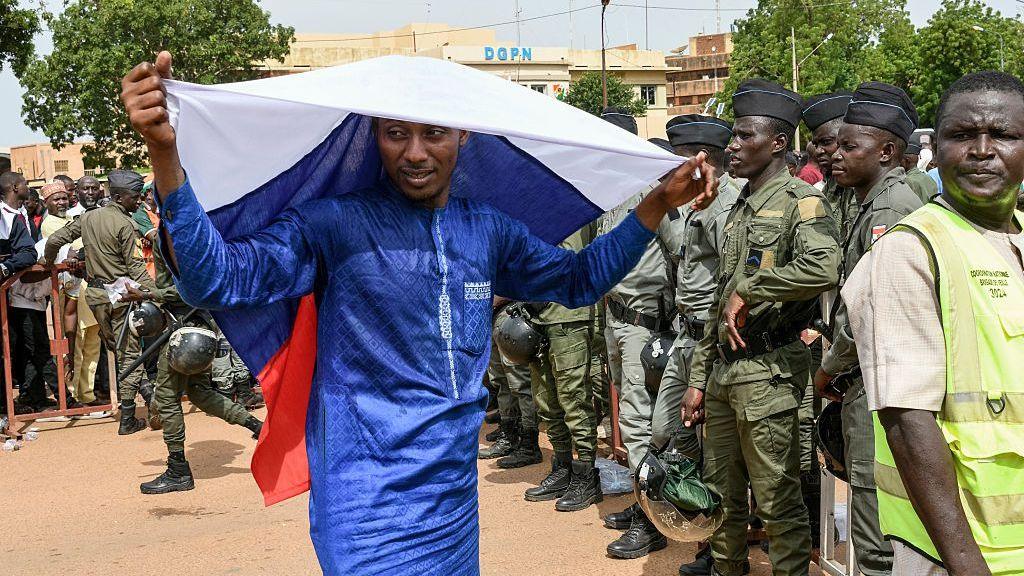
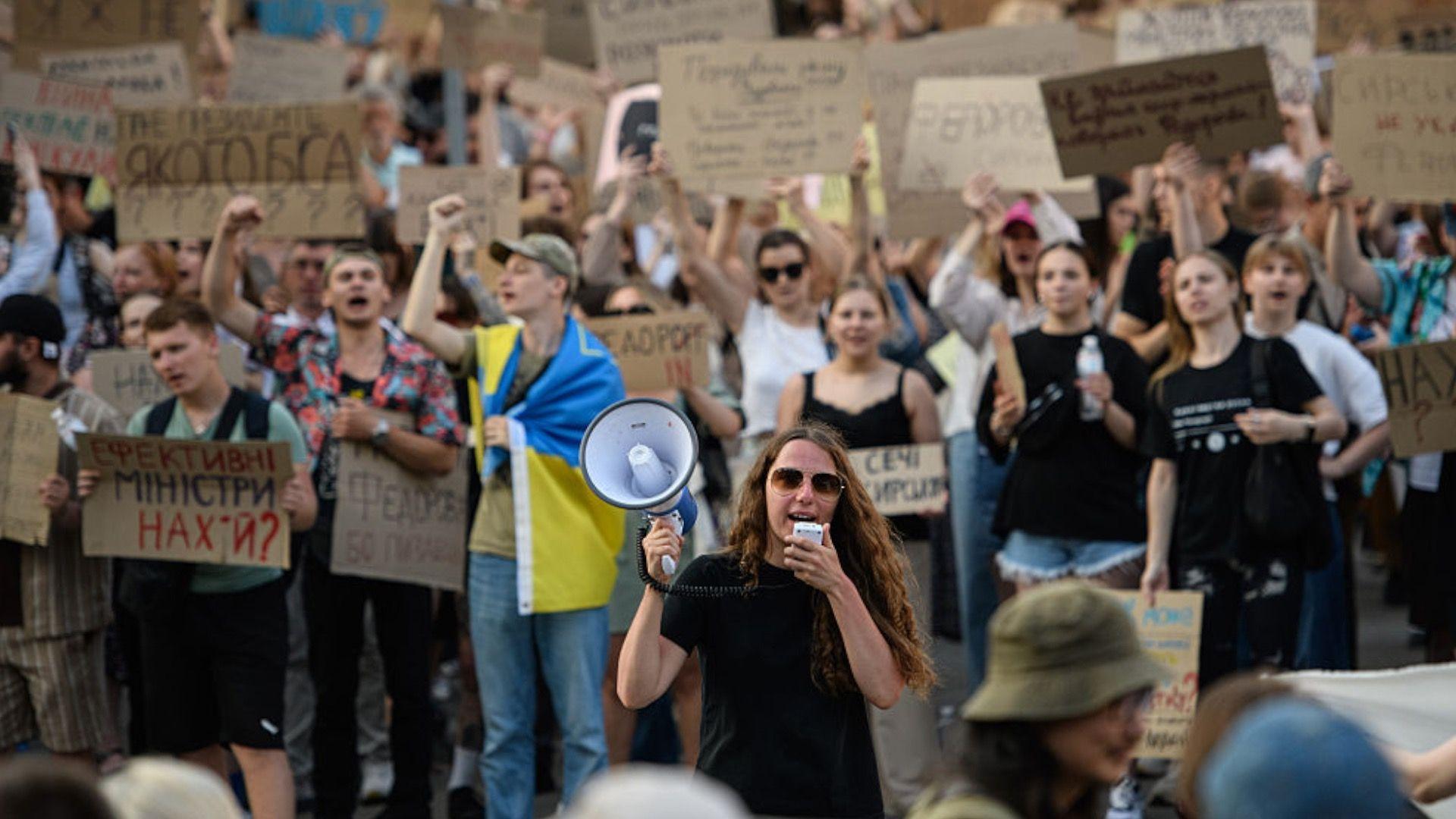
When President Volodymyr Zelensky didn’t re‑appoint Defence Minister Mykhailo Fedorov this week, troops across Ukraine rushed to their nearest streets, demanding an explanation.
One wounded soldier, captured on Telegram, recorded his emotions in a short video: “My operation is scheduled for tomorrow,” he said. “I hope that when I wake up after the anaesthetic, Fedorov will be back at the Ministry of Defence. Otherwise, everything I was fighting for will have been in vain.”
Soldiers blame a clash of approaches
The sudden reshuffle was seen by many as a slap to the entire army. “It is a blatant slap in the face to all service members,” a soldier quoted as Maryna said. She added that protests were “a dictatorship in advance.”
Conversely, other soldiers‑turned‑protesters described Fedorov as a modern, tech‑savvy commander who turned the tide using drones and AI. They argue his reforms should not be abandoned now, especially as Russia plans new assaults.
Who is Fedorov and why is he important?
Only 35, Fedorov rose from an IT volunteer army to leading Ukraine’s defence ministry before his term ended last January. During his short stint he persuaded Elon Musk to block Russian access to Starlink satellite‑based internet, a move that threw Russia’s frontline operations into confusion.
He also pioneered the “Army of Drones: Bonus” scheme, letting units earn points for every enemy kill or piece of equipment destroyed. The program boosted morale, speed of procurement and overall war‑effort.
The old guard that blocks progress
Gen. Oleksandr Syrskyi, the 60‑year‑old commander‑in‑chief, still leads the majority of Ukraine’s military. Soldiers refer to him as the “Butcher” of the old Soviet‑era chain of command, who many believe stifles innovation. “Syrskyi commands no authority or respect,” one soldier told us.
Meanwhile, Israeli field commander Andrii told the reporter that “there is no replacement for Syrskyi.” He noted that, even if the army is stuck with a rigid structure, the commander has led many successful operations.
What could this mean for the war?
Experts warn that Fedorov’s exit—touted by drones, low‑cost interceptors and AI—could slow Ukraine’s digital campaign just as war‑intensifies. “The Ministry of Defence is a swamp,” a former military analyst said.
And many worry a new era of secrecy might appear. “This also reflects badly on Ukraine’s leader.” a former anti‑corruption official said.
Despite protests, Zelensky has appointed an interim security head Yevhenii Khmara, but the soldiers are still asking if they can change the command structure entirely.
Bottom line
The outcry highlights a deeper rift between a tech‑driven reformist and a traditional defence establishment. For younger Ukrainians, it’s a reminder that the war’s future still depends on who gets to decide how they fight—whether a forward‑thinking president or a seasoned general.