Get ready to rocket out of your seat. SpaceX’s first public share offer is about to launch, and it might turn Elon Musk into the world’s first trillionaire.
Starship launches, Starbucks‑style share sales
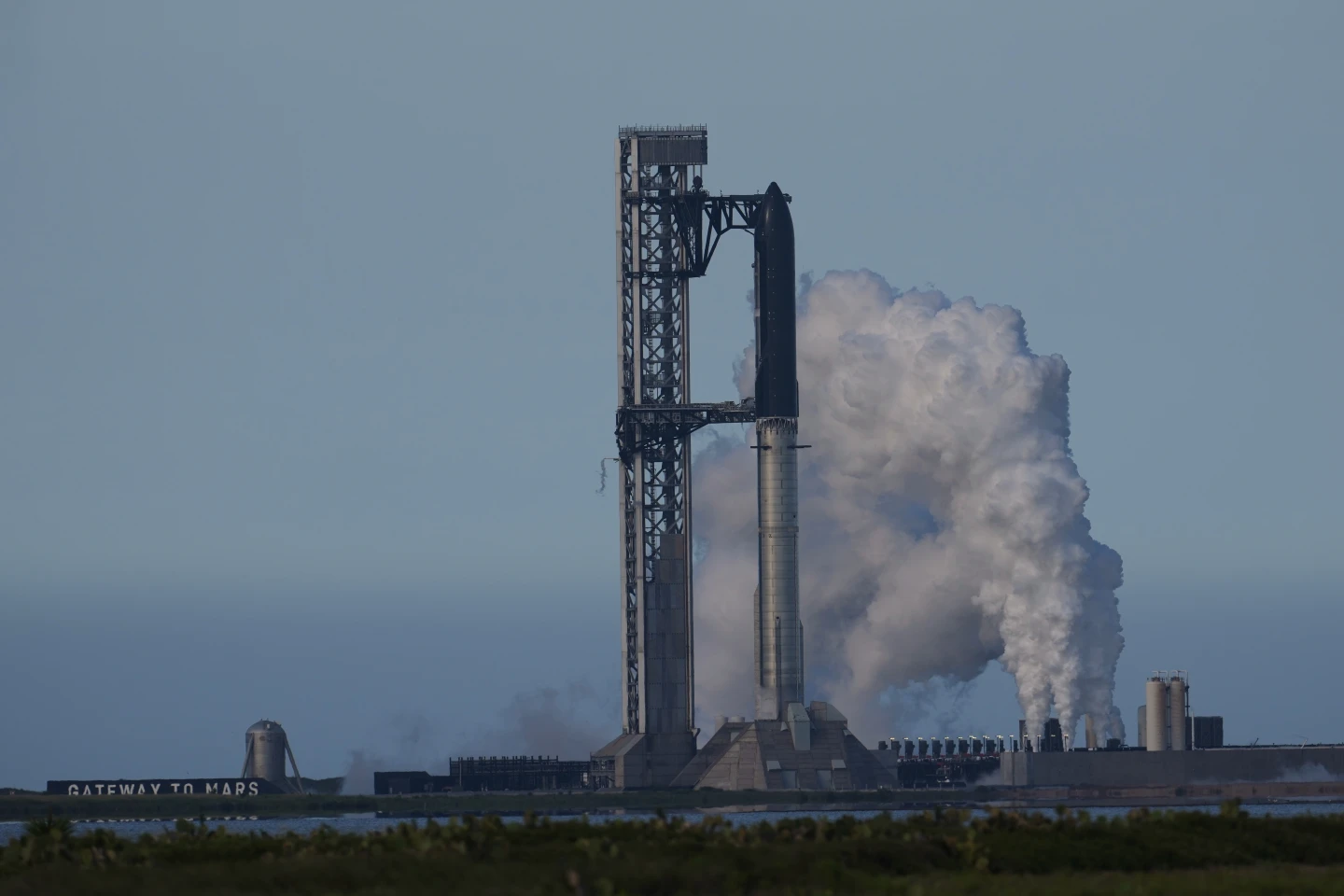
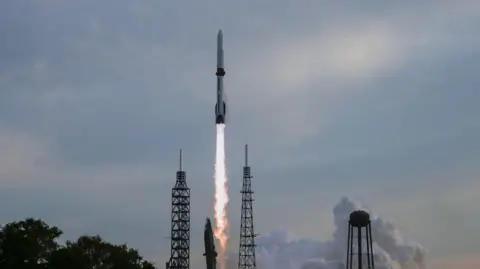
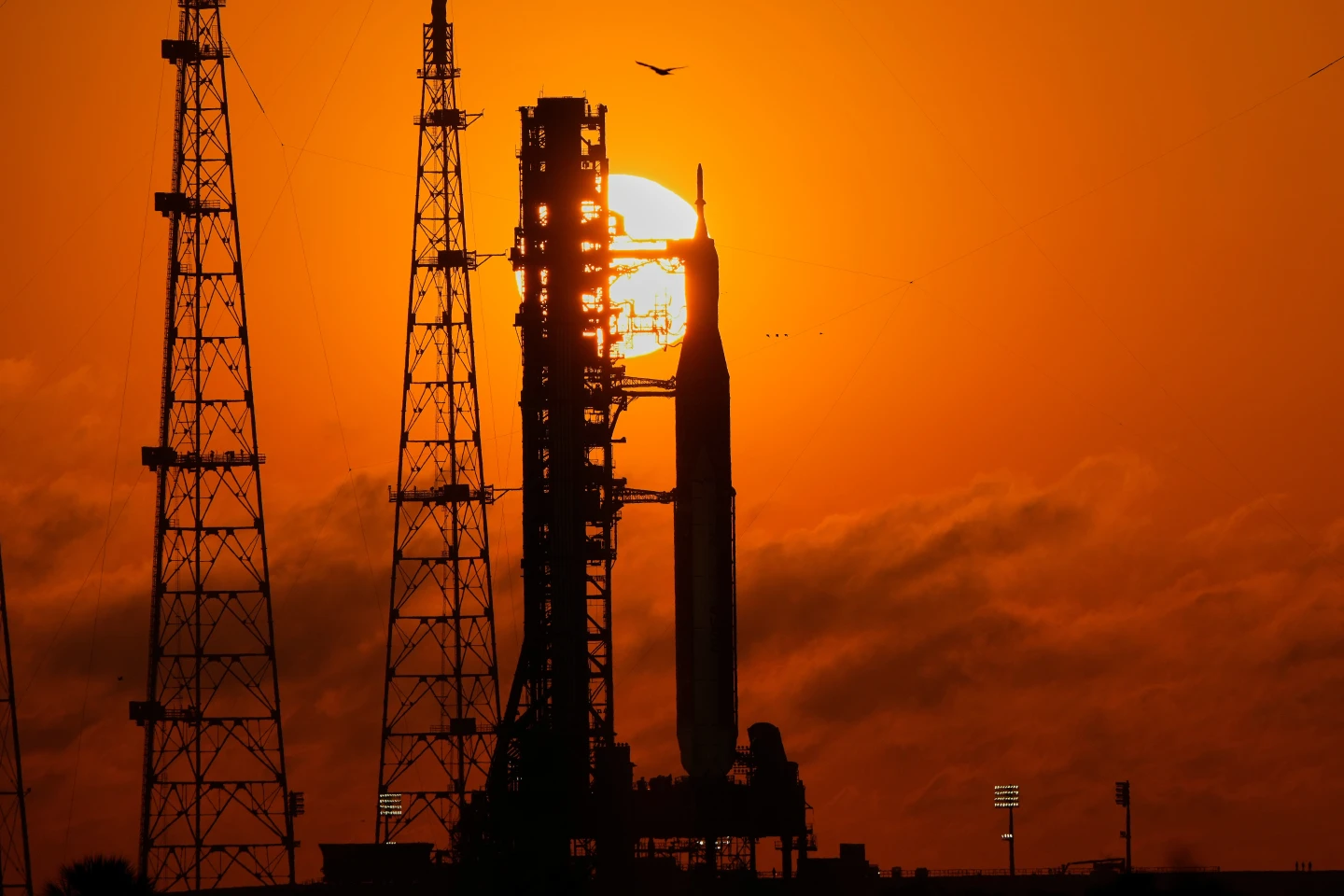
Picture a super‑heavy booster and a sleek Starship soaring over the Gulf of Mexico. That’s the scene on 13 October 2024, when the biggest rocket ever made blasted off from Starbase, just a bit north of the US‑Mexico border. While the launch captivated millions, the real headline was the company’s plan to sell a 5% stake in its private empire for the first time to the wider public.
With a target valuation of $1.75 trillion, SpaceX could dominate the world’s top 10 corporate list. The IPO will bring together rockets, satellite networks (Starlink), a budding AI arm (xAI) and future plans for human bases on the Moon and Mars – a far‑reaching mix that has investors wondering whether they’re buying a spaceship or a megacorp.
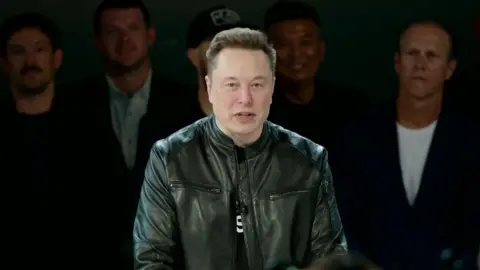
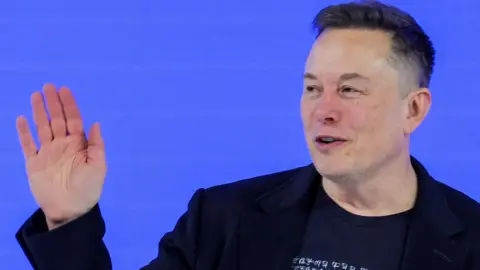
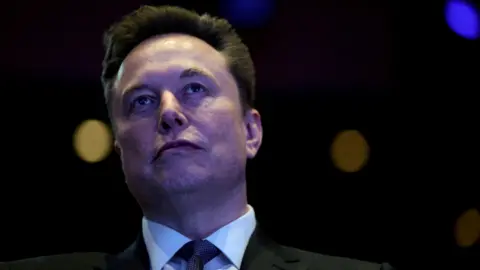
But it’s not a simple “share for all” deal. Musk owns only 42 % of the company, but his shares carry extra voting rights, giving him about 85 % of control. That means most new investors will own a slice of Musk’s brand, not a say in company decisions.
Could this spark a new tech boom?
The IPO is a “mega‑sale” – the biggest in history – and it may usher more AI‑heavy firms like Anthropic or OpenAI to public markets. If they do, a flood of new shares could keep the market’s price buoyant, but it could also create a glut that forces prices down, echoing the dot‑com bubble. Key question: will the market absorb this wave of optimistic valuation or chill out?
For many retail investors, the call is simple: invest in the future of space and AI, and maybe feel a little extra roar in your portfolio. For others, the lack of control and high stakes caution them. Either way, SpaceX is putting an uncharted chapter in the stock market’s playbook, and everyone’s watching the launch pad with bated breath.