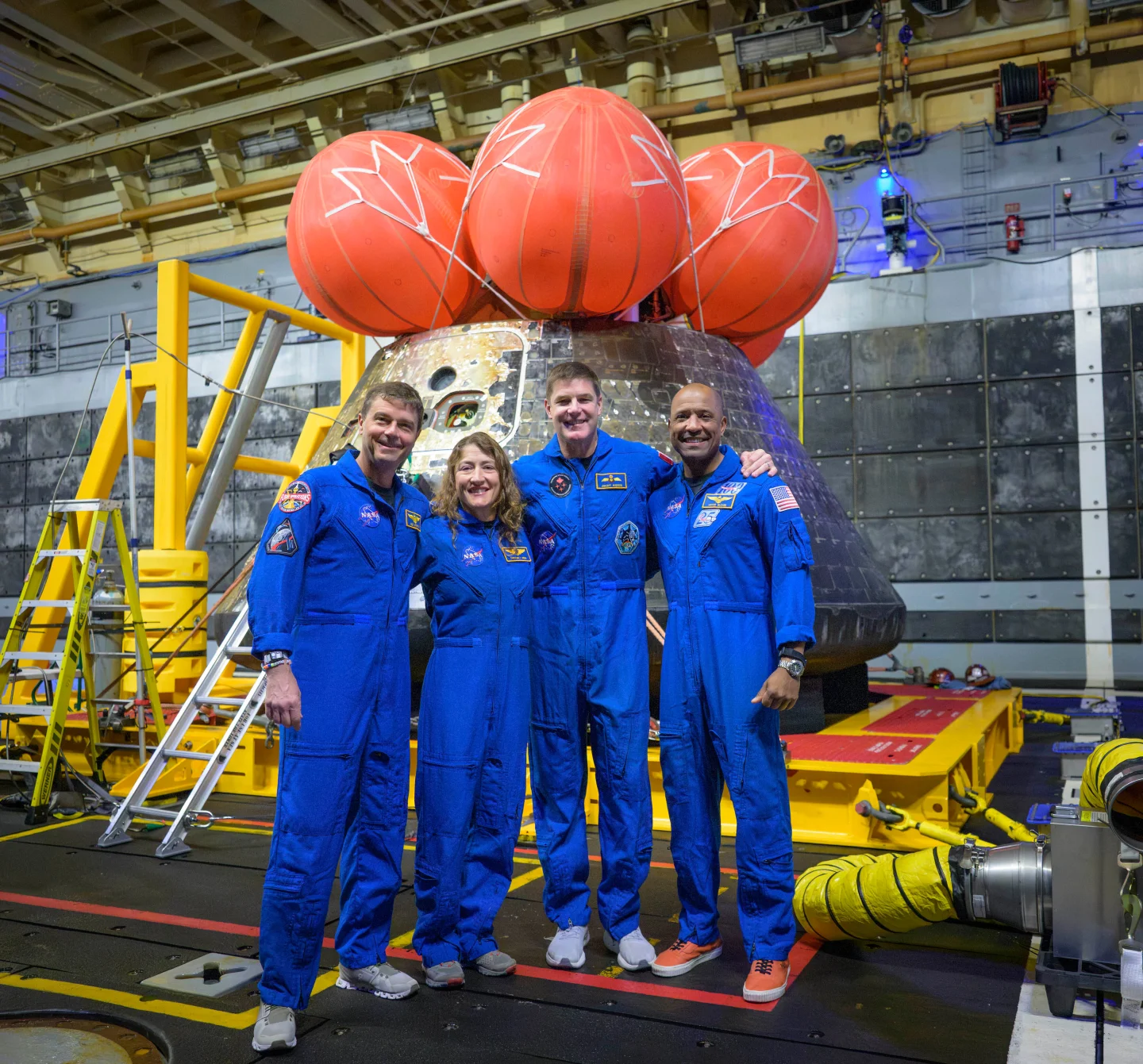
NASA's Artemis II mission has triumphantly sent four astronauts on a journey around the Moon, returning them safely to Earth. The Orion spacecraft performed exceptionally, giving rise to excitement and hope among a new generation regarding the prospects of human space exploration.
While the mission's success is celebrated, it raises the question: will today's youth have the opportunity to live and work on the Moon or even visit Mars in their lifetimes? Although looping the Moon was a remarkable feat, the significant challenges are still ahead. The upcoming phases of the Artemis program promise even greater ambitions, including sustained lunar bases and crewed missions to Mars.
NASA aims for a human lunar landing each year starting in 2028, laying the foundation for a Moon base by the fifth mission in the same year. This time, the mission is not defined solely by competition but aims to establish a sustainable presence in space.
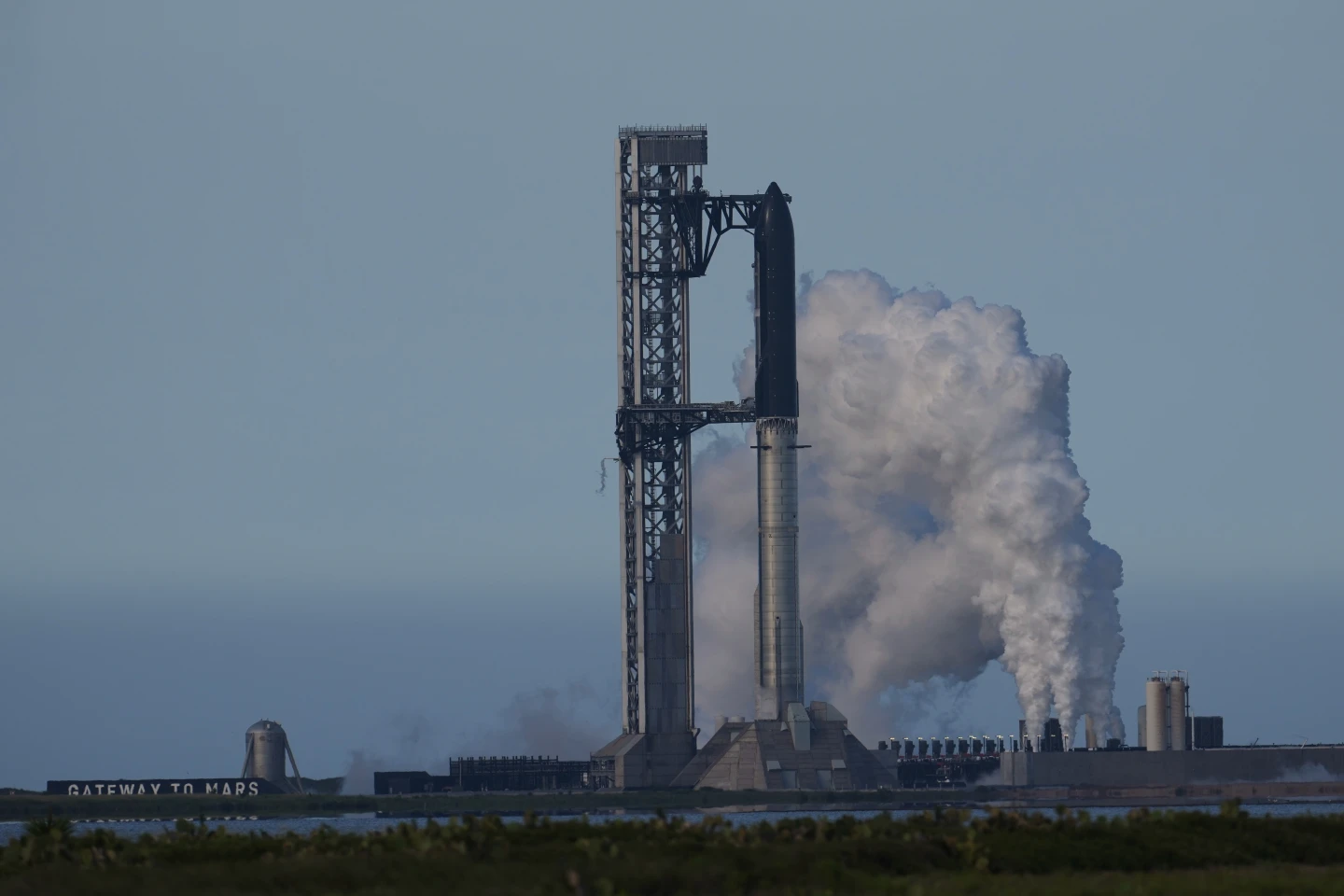
There are significant hurdles, however. NASA has contracted private companies, including Elon Musk's SpaceX and Jeff Bezos's Blue Origin, to build lunar landers. Yet, both companies face delays. SpaceX's lunar version of the Starship, projected to be 35 meters tall, is years behind schedule, while Blue Origin's smaller Blue Moon has unresolved design issues. As the global race to the Moon heats up, challenges in technology and engineering remain critical.
Looking beyond the Moon, ambitions reach for Mars. Although Elon Musk dreams of sending humans to the Red Planet by 2030, experts suggest that the timeline could extend into the 2040s. The ambition to land on Mars presents massive challenges, including a much longer journey and complex landing scenarios.
Despite the obstacles, the Artemis II mission reignites global interest in human spaceflight. New partnerships between government agencies and private sector companies signal a transformative period in space exploration, making the dream of space travel not just a fantasy, but possibly a viable reality for future generations.
While the mission's success is celebrated, it raises the question: will today's youth have the opportunity to live and work on the Moon or even visit Mars in their lifetimes? Although looping the Moon was a remarkable feat, the significant challenges are still ahead. The upcoming phases of the Artemis program promise even greater ambitions, including sustained lunar bases and crewed missions to Mars.
NASA aims for a human lunar landing each year starting in 2028, laying the foundation for a Moon base by the fifth mission in the same year. This time, the mission is not defined solely by competition but aims to establish a sustainable presence in space.
There are significant hurdles, however. NASA has contracted private companies, including Elon Musk's SpaceX and Jeff Bezos's Blue Origin, to build lunar landers. Yet, both companies face delays. SpaceX's lunar version of the Starship, projected to be 35 meters tall, is years behind schedule, while Blue Origin's smaller Blue Moon has unresolved design issues. As the global race to the Moon heats up, challenges in technology and engineering remain critical.
Looking beyond the Moon, ambitions reach for Mars. Although Elon Musk dreams of sending humans to the Red Planet by 2030, experts suggest that the timeline could extend into the 2040s. The ambition to land on Mars presents massive challenges, including a much longer journey and complex landing scenarios.
Despite the obstacles, the Artemis II mission reignites global interest in human spaceflight. New partnerships between government agencies and private sector companies signal a transformative period in space exploration, making the dream of space travel not just a fantasy, but possibly a viable reality for future generations.