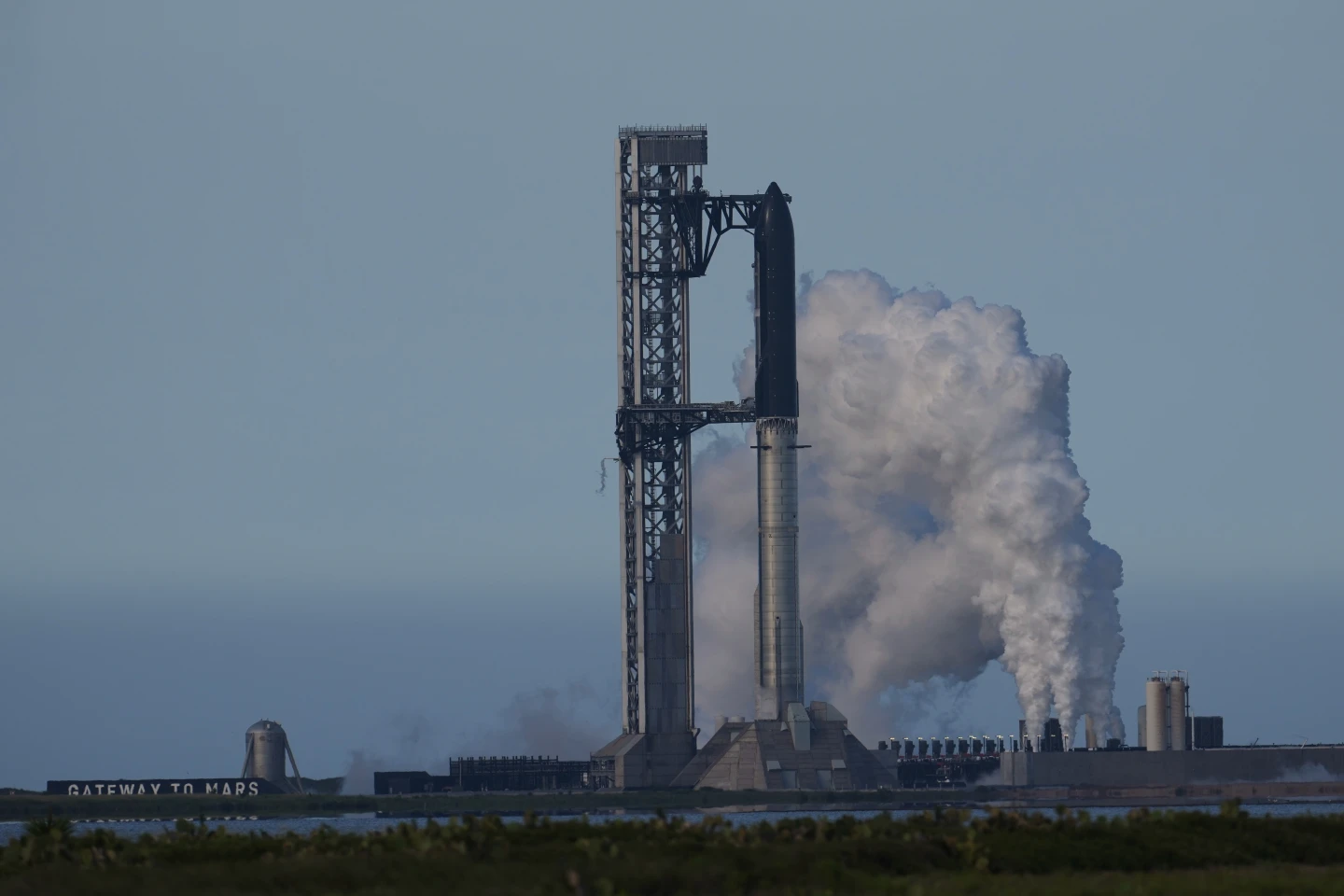
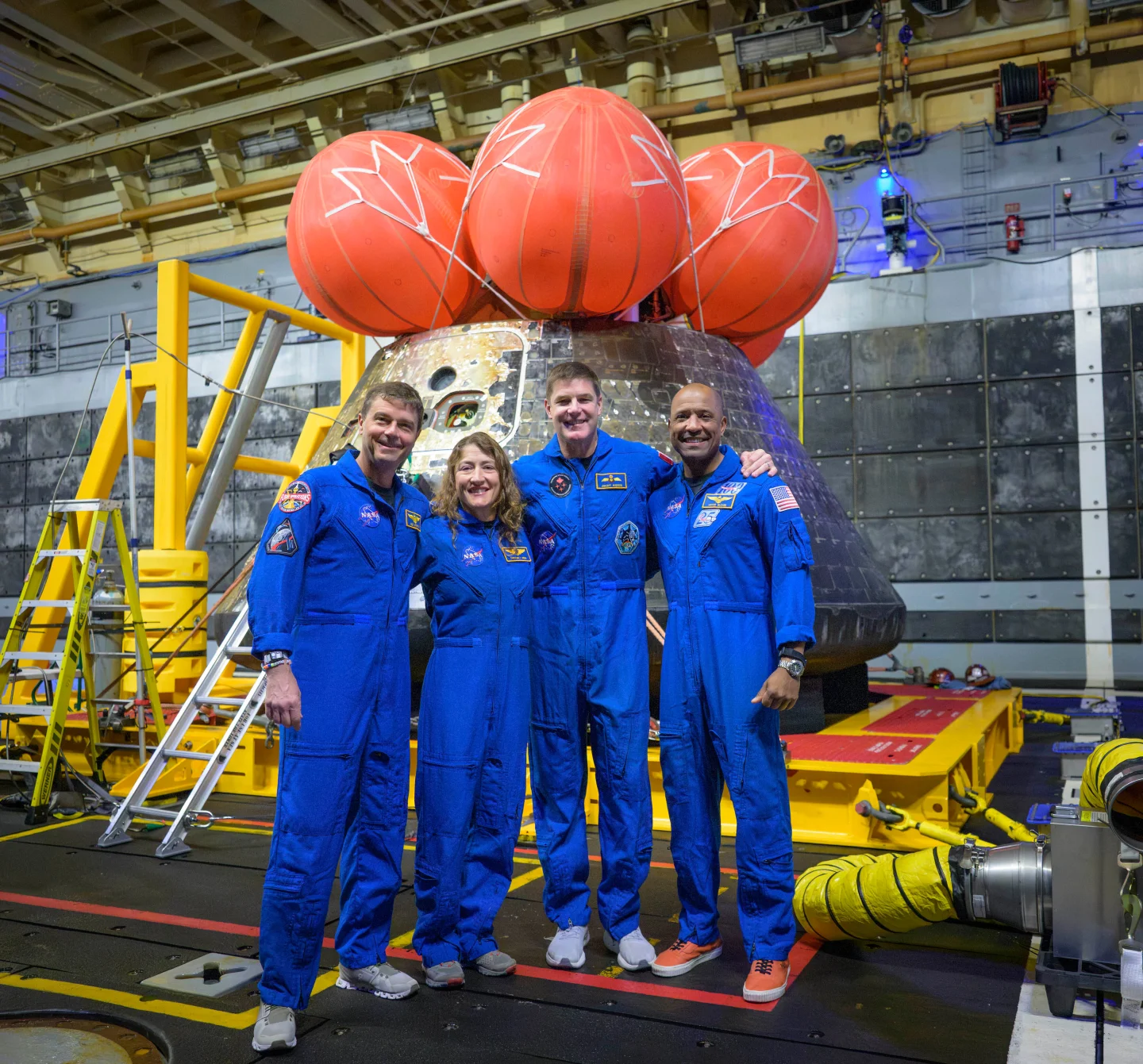
NASA's Artemis II mission has successfully sent four astronauts sweeping around the far side of the Moon and landed them safely back home. The Orion spacecraft performed admirably and the images the astronauts captured have delighted a whole new generation about the possibilities of space travel. But does this mean that the children enthralled by the mission will be able to live and work on the Moon in their lifetimes? Perhaps even go to Mars, as the Artemis programme promises? It seems churlish to say, but looping the Moon was relatively easy. The really hard part lies ahead, so the answer is 'maybe, maybe not.' While the mission was a triumph, NASA faces considerable challenges in making further lunar landings a reality. Crucially, the US agency requires new spacecraft—landers designed to transport humans and gear to the lunar surface. However, companies like SpaceX and Blue Origin, who are under contract to build these landers, are facing significant delays, which threaten to upend Artemis' ambitious timeline. Meanwhile, the goal of establishing a human presence on the Moon and venturing to Mars seems daunting, with experts suggesting that such aspirations may be perpetually postponed as obstacles mount.
Artemis II: A Step Forward, But Challenges Loom Ahead

Artemis II: A Step Forward, But Challenges Loom Ahead
NASA's Artemis II mission successfully returned four astronauts from a lunar flyby, exciting a new generation about space. But significant hurdles remain before humans can live and work on the Moon.
The Artemis II mission has proven successful, showcasing the potential for human space travel and inspiring younger generations. However, substantial challenges, including the development of new lunar landers and an ambitious timeline, pose significant obstacles for NASA's future missions, including plans for a permanent Moon base and eventual manned missions to Mars.