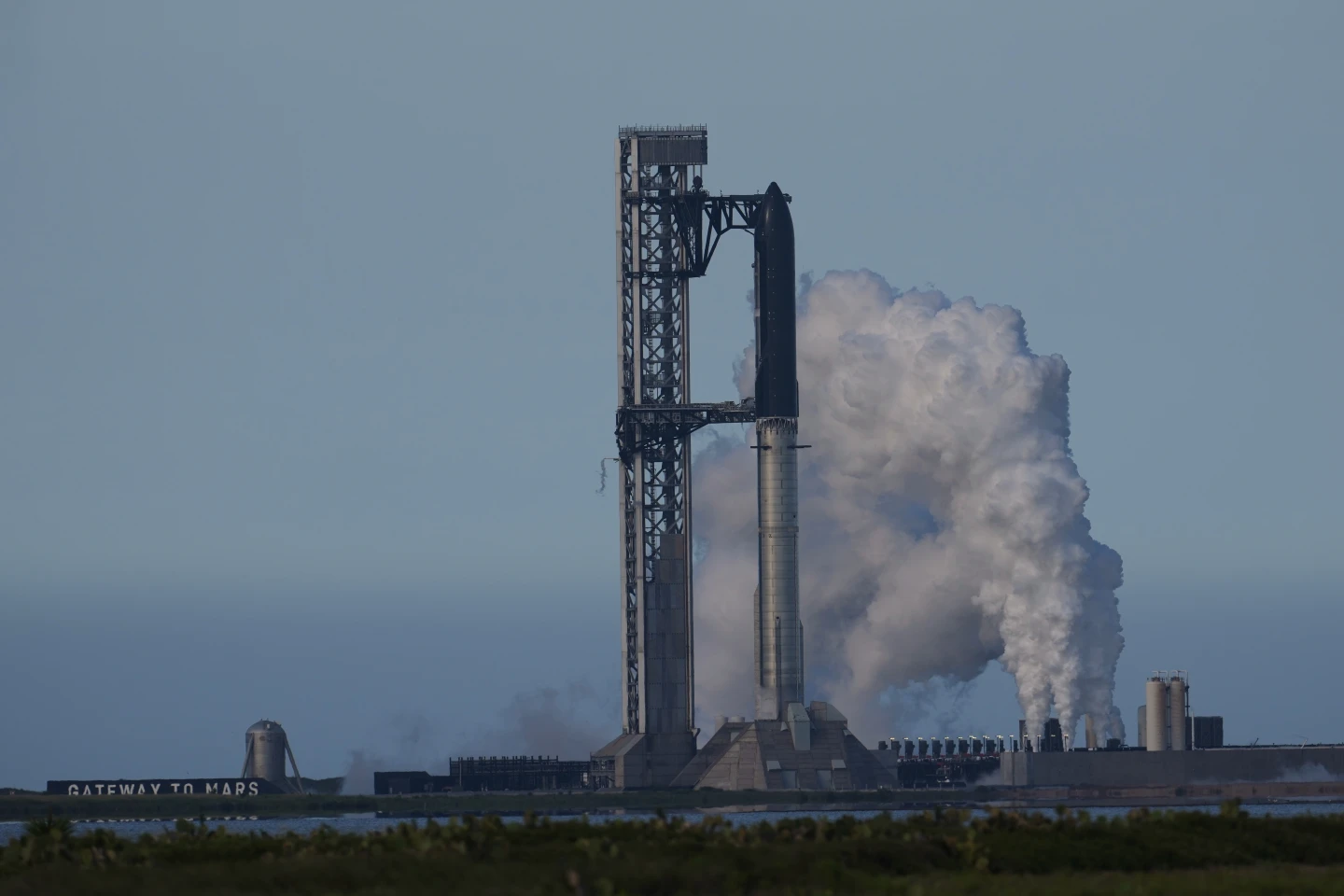
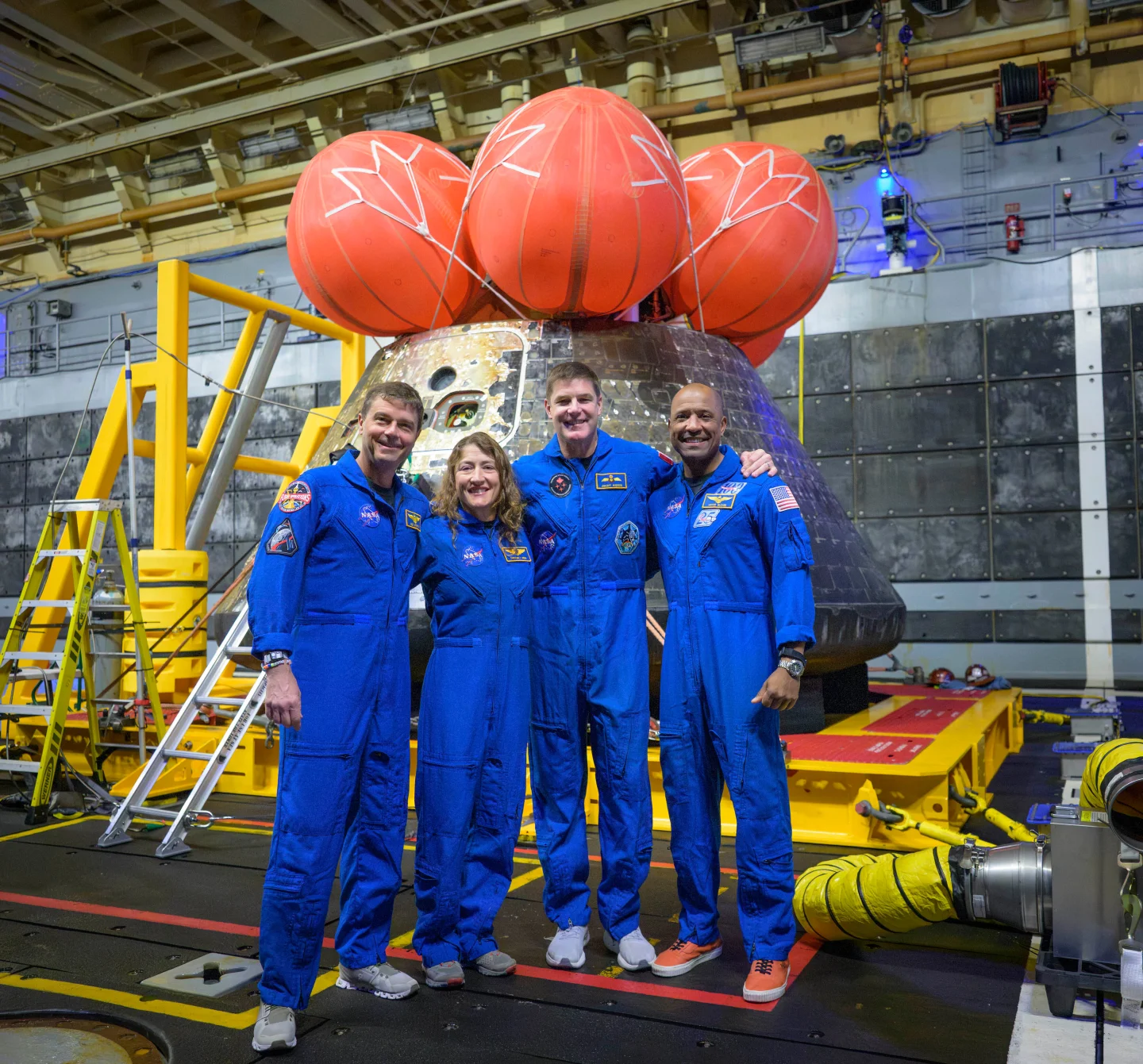
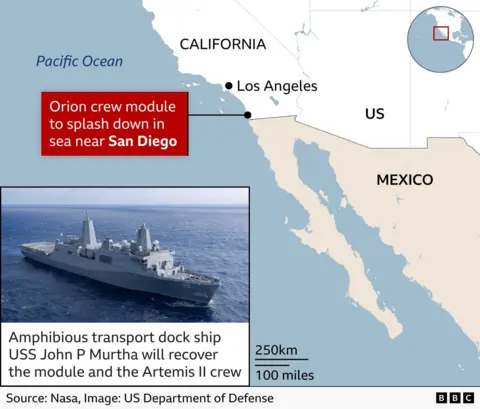
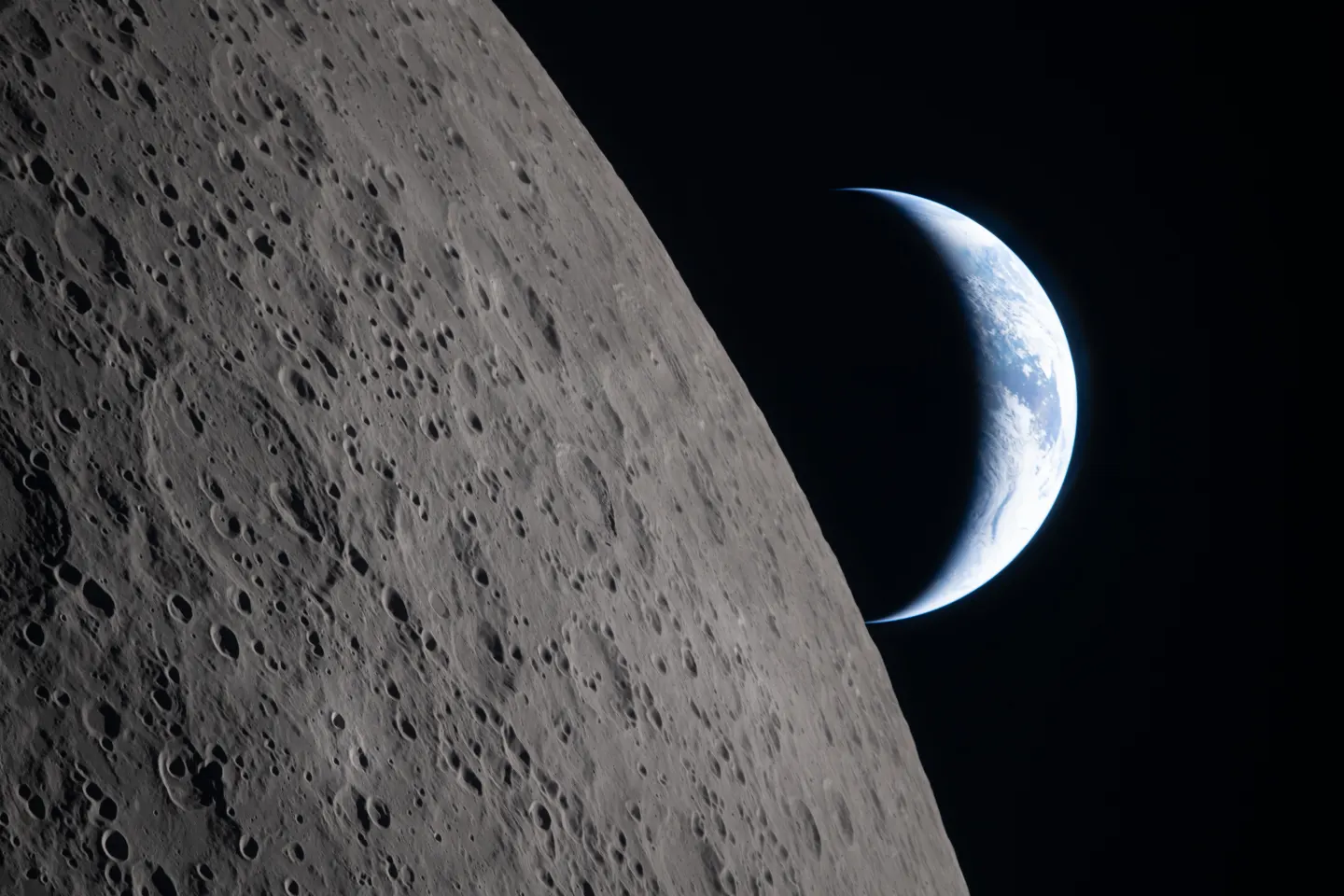
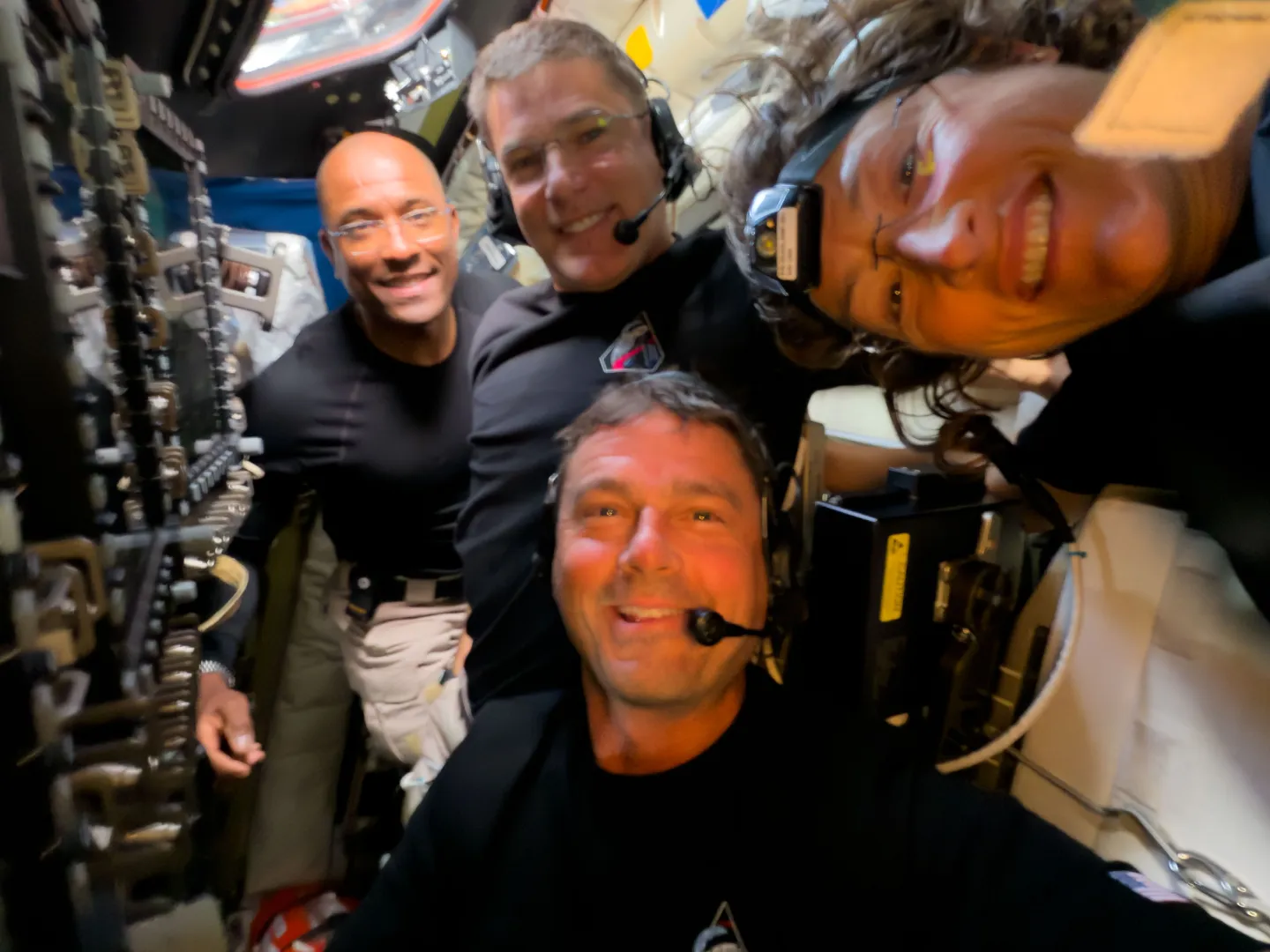
NASA's Artemis II mission has passed every major test since its launch on April 1, showcasing its rocket, spacecraft, and crew performing impressively. For the first time, the Orion capsule was operated by humans, proving its design can sustain crewed flight. The Artemis crew's actions have sparked optimism at a time when the world could use some. However, the real question looms - can we land on the Moon by 2028 as NASA hopes? Early feedback suggests this might be achievable. As we reflect on the mission thus far, it's clear more than anticipated has been accomplished. NASA's Space Launch System (SLS) demonstrated remarkable efficiency, launching smoothly and only requiring one minor trajectory correction. Orion's engine burn to set the craft on a path to the Moon was deemed flawless by mission leaders. While some toilet and water dispenser issues were noted aboard Orion, they showcase the importance of real human feedback rather than simulations. The mission is set to test its crucial re-entry phase soon, which remains the ultimate challenge and will determine Artemis II's legacy. Should all go well, we'll see a promising future for human space exploration, with plans for multiple Moon landings ahead.
Artemis II: A New Hope for Moon Landings

Artemis II: A New Hope for Moon Landings
NASA's Artemis II mission is proving that a return to the Moon is within reach. With successful testing and inspiring crew interactions, this mission is shaping our future in space exploration.
NASA's Artemis II has passed crucial tests since its launch on April 1st. With a well-functioning Orion capsule, the mission raises hopes of achieving a Moon landing by 2028. The crew's experience and feedback highlight the importance of human interaction in space travel. As Artemis II heads home, the mission's legacy hinges on its upcoming re-entry test.