In brief
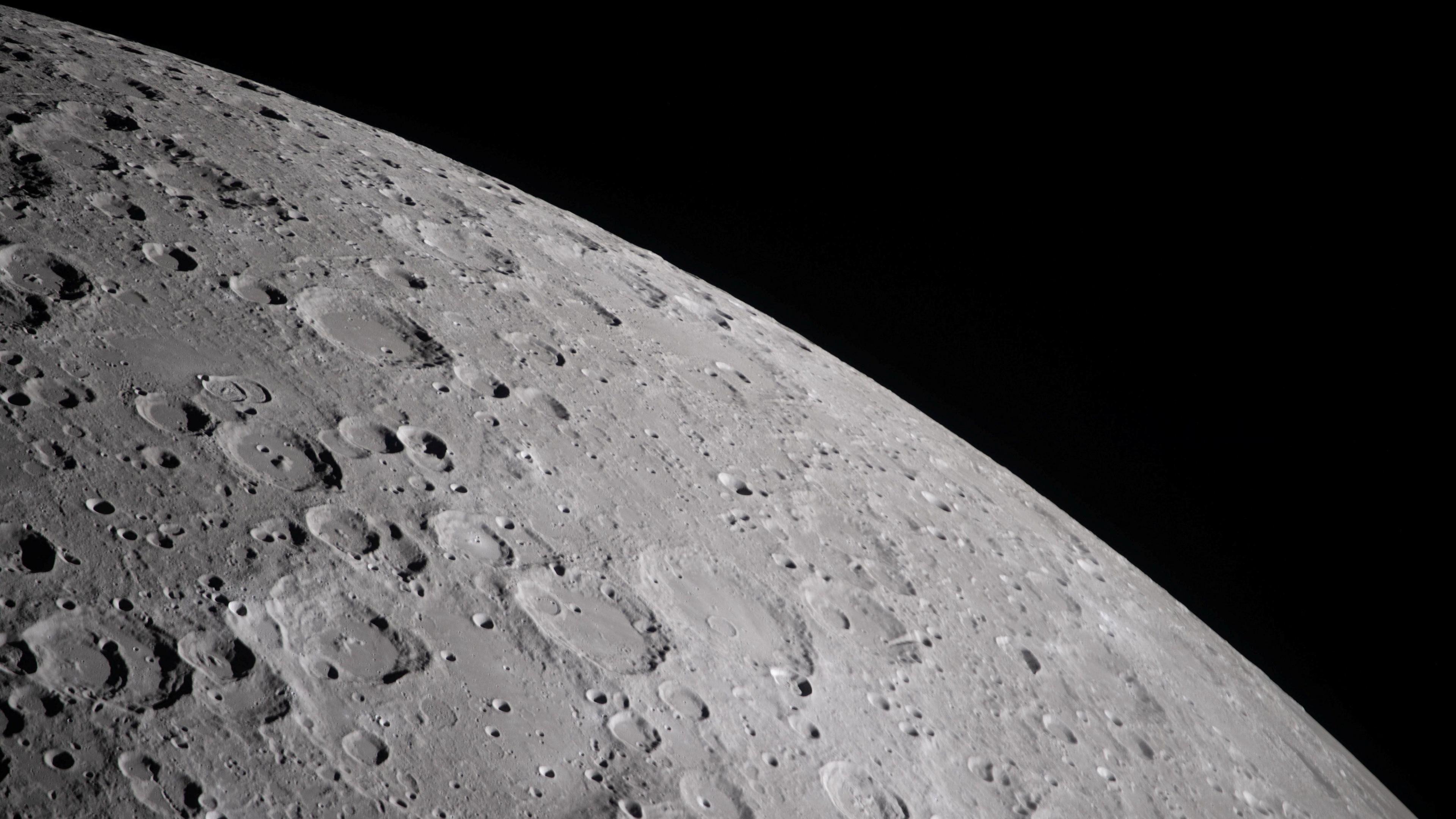
When a Falcon 9 upper stage drifted for 18 months, it slammed into the Moon at 5,400 miles per hour near the Einstein crater. The small 14‑metre piece of rocket produced a flash too faint for amateurs, but orbiters will photograph a brand new crater that offers a controlled experiment in impact science. Experts will study ejecta, seismic ripples and how much dust rises to learn how to design safer landers and future habitats on the lunar surface.
A stray upper stage of a Falcon 9 rocket crashed into the Moon, creating a new crater just north of the well‑known Einstein mark.
The pieces of the stage were sent on a long, looping orbit that, after eight months of gravitational nudging, cut the lunar surface at approximately 5,400 miles per hour.
The impact made a tiny flash far too quick to catch even with powerful telescopes, but science teams are analyzing data from two observatories in the Americas and a lunar orbiter that will capture before‑and‑after photos of the new dent.
Planetary scientists see it as a once‑in‑a‑lifetime laboratory where they can test impact models, gauge how far debris flies, and measure the Moon’s seismic response.
These insights will feed into safer lander designs and help plan future lunar bases by showing exactly how much dust lifts and how the surface shakes after a high‑speed hit.