Spanish Intelligence Warned of Mass Ceuta Crossing Before the Surge
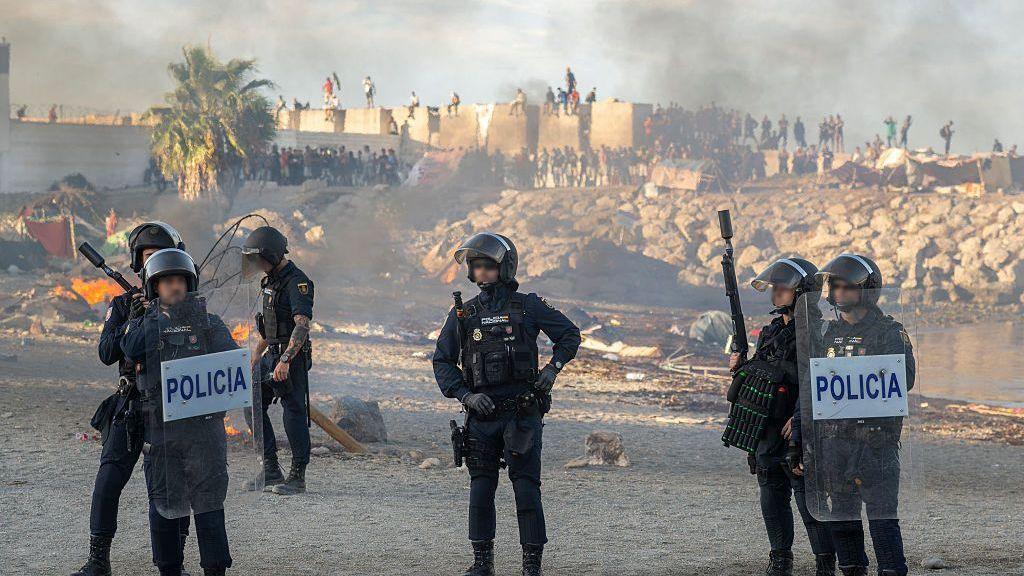
A day before a flood of 72,000 migrants hit the Spanish city of Ceuta, the Spanish intelligence service (CNI) warned Moroccan and Ceuta officials that social‑media groups were stirring people to cross the next day.
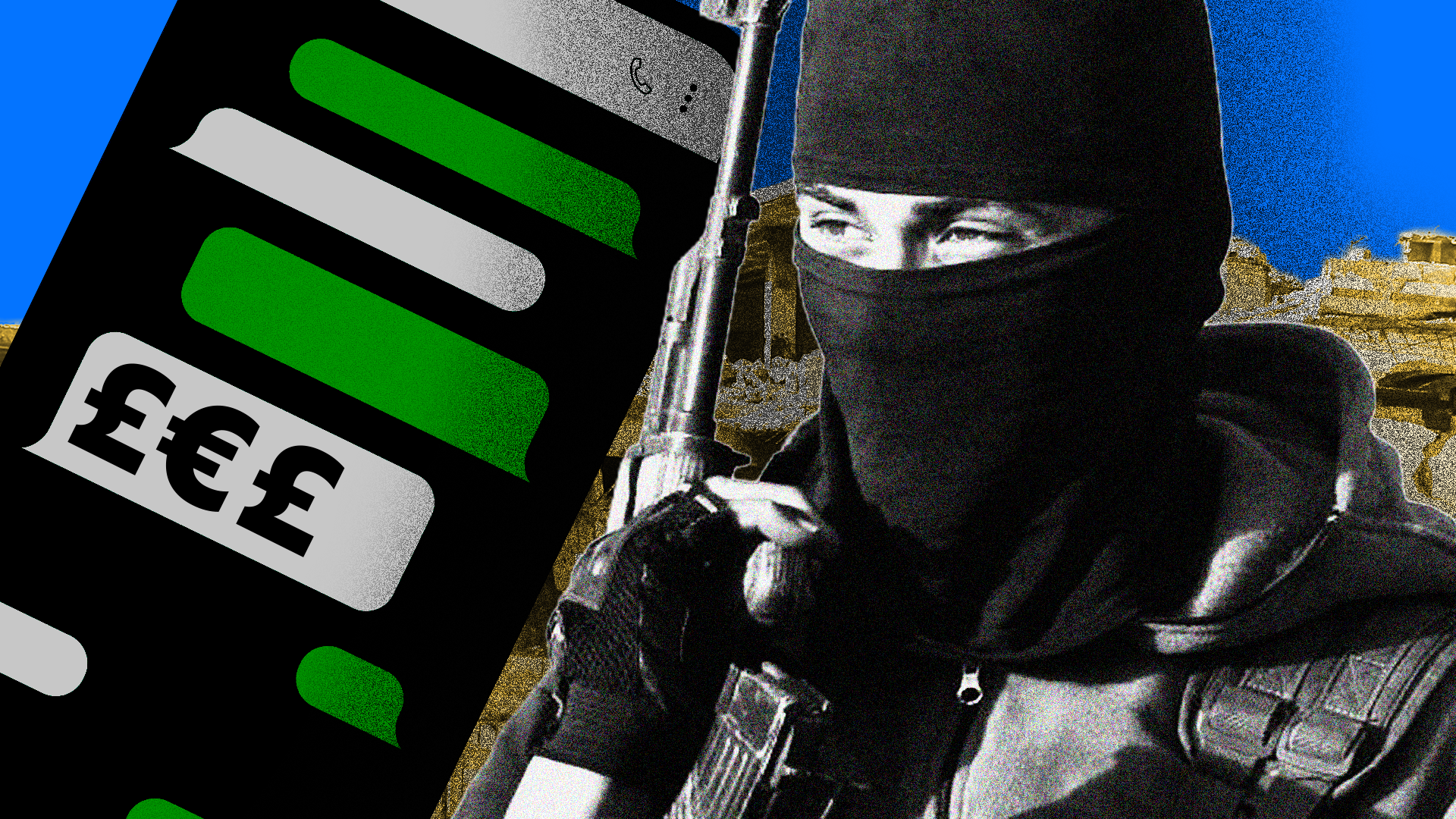
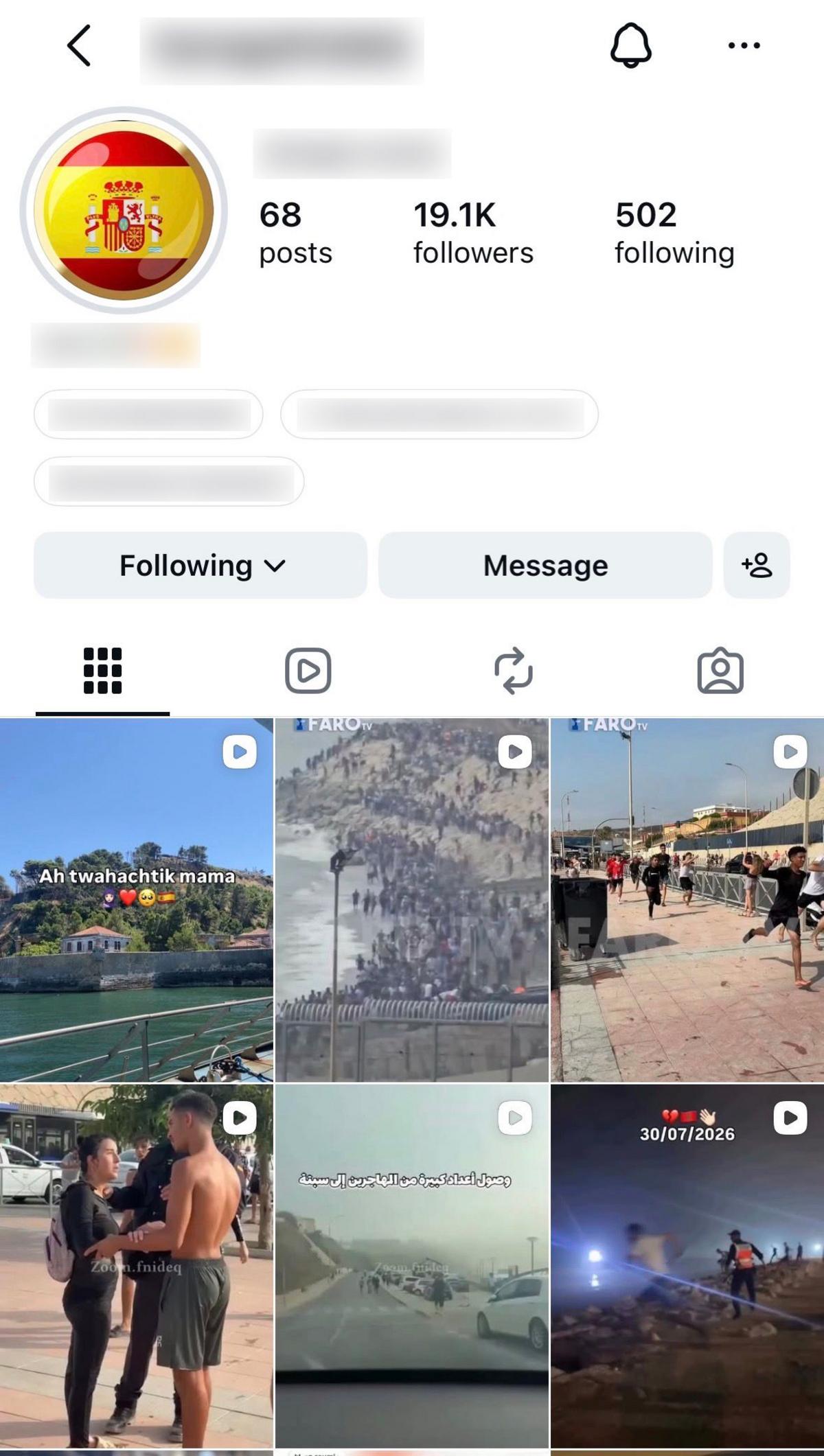
The documents, de‑classified by Spain, say the CNI detected WhatsApp and Facebook accounts that urged survivors to arrive during the “Throne Day” celebrations, counting on distracted authorities. This warning came on 29 July, a day before the mass crossing on 30‑31 July that killed over a hundred people.
Prime Minister Pedro Sánchez has long claimed the events were unforeseeable, but opposition parties are scrambling to explain why the government did not share the warning with the public.
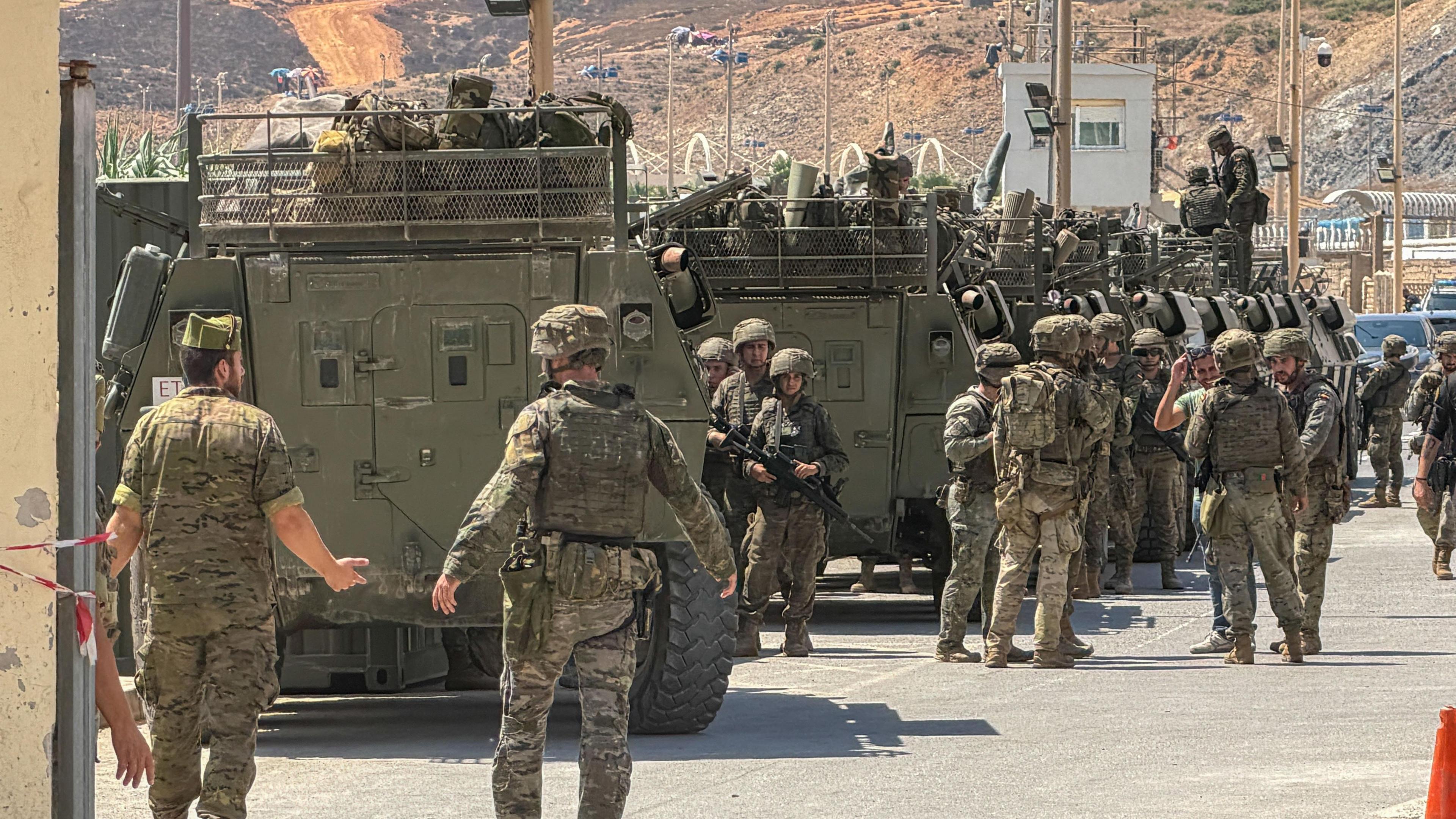
The revelations are part of a set of over 40 security documents that were made public. They show that the Spanish government acted as best it could with the information it had, arguing that the scale of the crisis was harder to anticipate.
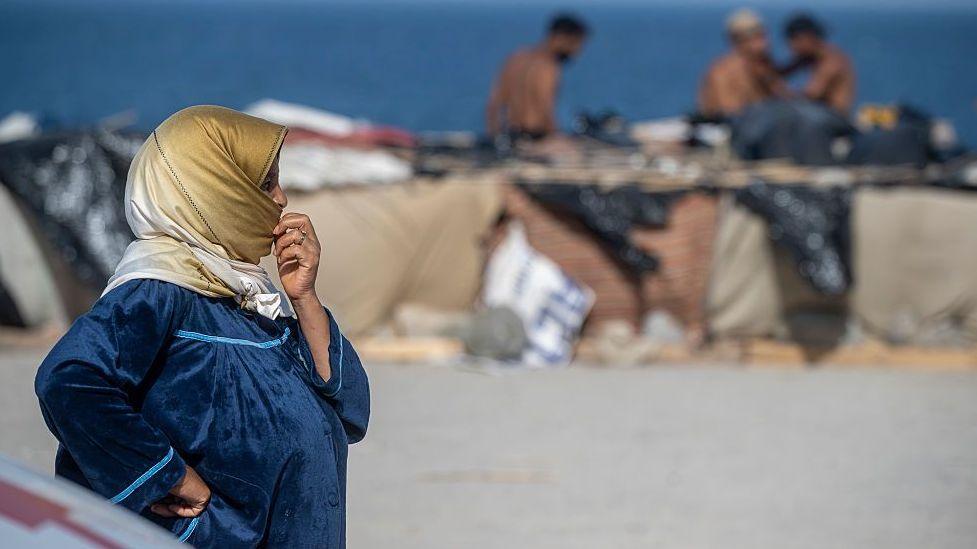
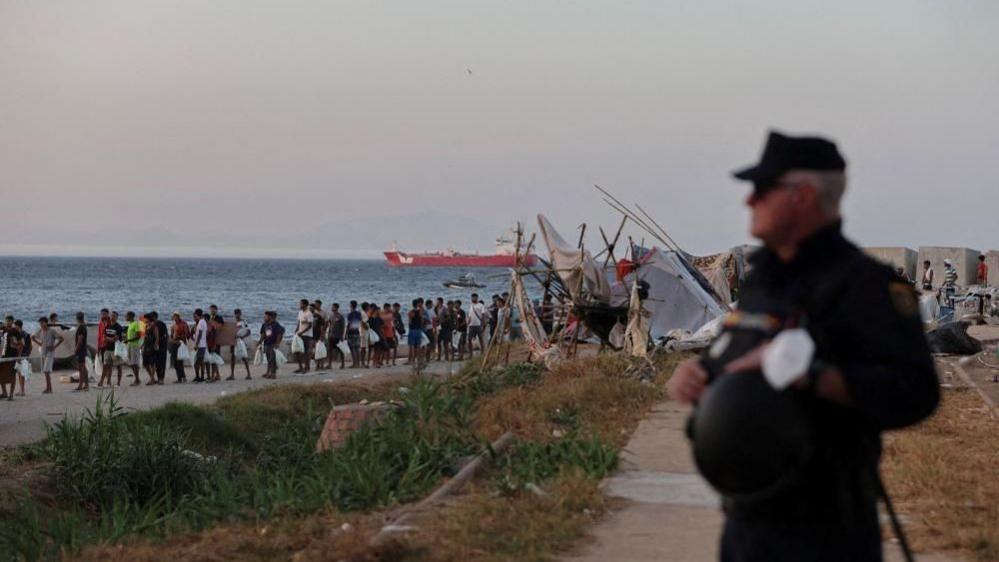
In the aftermath, Ceuta’s mayor reported that many migrants had returned, but some 5,000 remain in makeshift camps or sleeping on the city’s beaches, sparking unrest and fear among locals. Some residents even damaged shelters and blocked aid deliveries.
The documents also touch on allegations that Moroccan police played a role, yet José Manuel Albares, Spain’s foreign minister, says there is no evidence of Moroccan complicity.
The news has sparked protests across Spain against how the government handled the crisis, and the debate over crowdsourced coordination of migration is now in full view. This story underscores how digital spaces can fuel physical migration in ways governments struggle to predict.