In brief
South Korean police stormed the headquarters of Starbucks Korea in a surprise raid after a promotional campaign called ‘Tank Day’ appeared to reference the 1980 Gwangju Uprising. The marketing move sparked nationwide protests, a mass boycott of the coffee chain, and a trial lawsuit over defamation. Starbucks quickly apologized, launched an internal investigation, and even fired its CEO. In June, stores were closed for half a day to allow staff to attend history lessons, and the controversy became a flashpoint between Korea’s opposition and ruling parties.
Police raid Starbucks Korea over ‘Tank Day’ fiasco
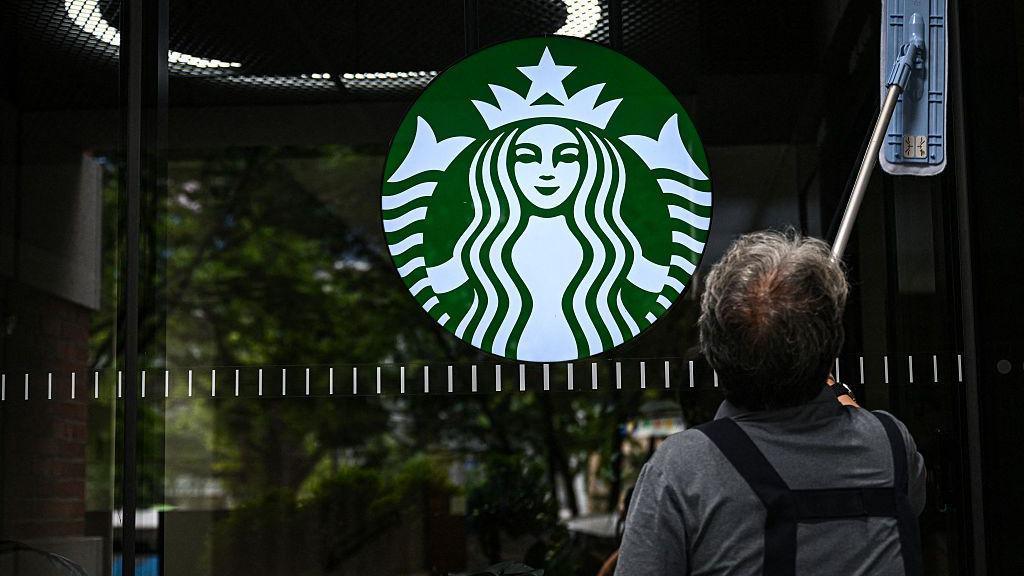
South Korean police stormed the headquarters of Starbucks Korea after a marketing campaign that many found reminiscent of the 1980 Gwangju Uprising sparked nationwide protests and a boycott of the coffee chain.
The campaign, launched in May, offered free coffee tumblers with a “Tank Day” slogan on the anniversary of a tragic mass killing. Critics argued that the word “tank” evoked images of military vehicles that crushed pro-democracy demonstrators, inflaming history‑sensitive audiences.
Starbucks quickly pulled the promotion and said the mistake was unintentional. An internal investigation by its operator, Shinsegae Group, found that the team failed to see the historical reference and that upper management ignored the warning.
Despite the apology, civic groups filed a criminal complaint accusing the company of defaming victims of the military dictatorship. Police responded by raiding the Korean headquarters and ordering a temporary halt to all café operations.
In early June, Starbucks stores closed for half a day so employees could attend mandatory history lessons. The controversy also driven a political divide: the ruling party announced a nationwide boycott that the opposition absurdly used to rally support, turning Starbucks cups into right‑wing rally symbols.
Starbucks has also dismissed its chief executive and is reportedly undergoing a comprehensive review of its marketing policy to prevent a repeat fiasco.