Supreme Court Lets Trump Use Voter‑ID Database
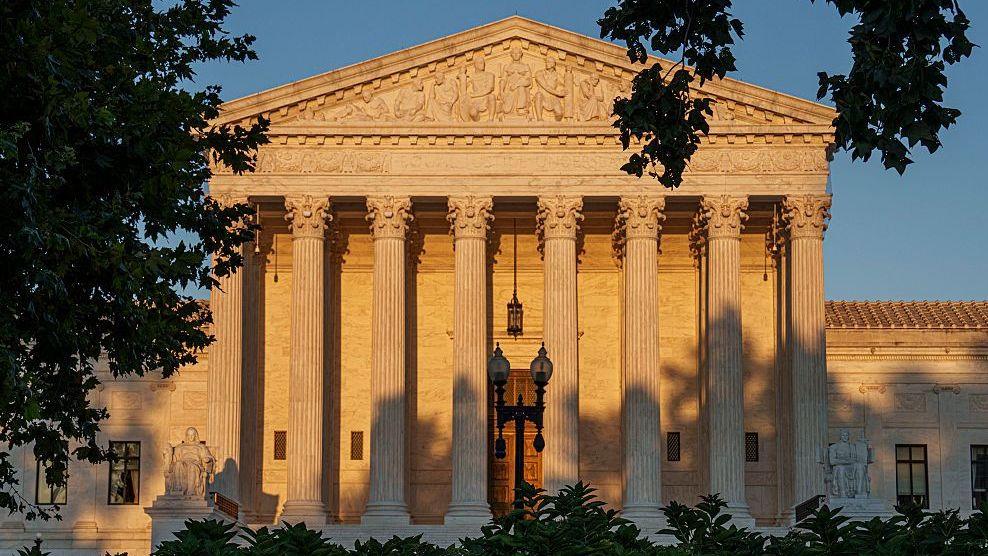
The top court lifted a ban that restricted the Trump administration’s use of the SAVE database—an automated program that flags voters who might not be citizenship—paving the way for a fresh wave of voter‑ID checks ahead of the 2026 midterms.
SAVE originally launched in 1986 to help verify eligibility for public benefits, but it was expanded last year to include bulk searches, pulling sensitive data from Social Security rolls. While conservatives argue it stops non‑citizens from voting, civil‑rights groups say the data can be wrong, leading to lawful voters being mistakenly purged.
The court’s majority held that the National Voter Registration Act forbids sweeping roll‑purges just before an election, so any effect on this cycle is minimal. States, however, may still use SAVE on individual accounts, meaning the database remains a tool for voter‑verification.
Key points:
- 27 states currently use SAVE to test voter citizenship.
- Critics cite instances where at least 10% of voters flagged as non‑citizens were actually U.S. citizens.
- Some states—like Georgia—claim robust vetting processes to avoid mis‑deletions.
- The Supreme Court reversed a federal judge’s ruling that the system violated privacy rights.
- Voting‑rights advocates say the decision risks millions of people being improperly targeted weeks before the midterms.
If the Trump administration’s calls for tighter voter‑ID laws and mail‑in restriction were already stalled, this ruling gives it a new lever—though its impact may be more symbolic than practical, given the limited window before the midterms.
Kayla Epstein contributed to this report.