In brief
Documents reveal Abramovich utilized British Virgin Islands companies to dodge taxes on approximately £4.7bn in investments, sparking calls for an investigation into his financial dealings. Critics, including a Labour MP, highlight the potential for recovered funds to support public services.
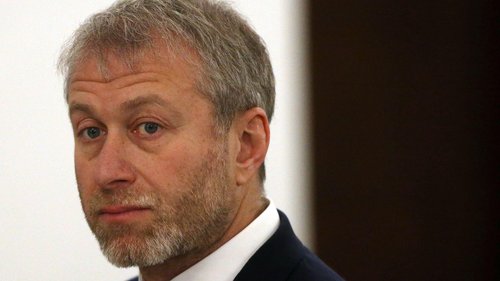
Roman Abramovich, the sanctioned Russian oligarch once owner of Chelsea FC, faces a potential £1bn tax bill stemming from allegations of dodging his tax obligations through a series of complex hedge fund investments. Leaked documents indicate that investments estimated at $6bn (£4.7bn) were funneled through entities based in the British Virgin Islands (BVI), but managed from the UK. This arrangement raises questions about the legitimacy of the tax avoidance, as strategic decisions appear to have been made while based in the UK, an indication that UK taxes should apply.Abramovich’s legal team argues he acted on professional tax advice and insists he is not at fault for any unpaid tax. However, evidence points to Eugene Shvidler, a businessman with close ties to Abramovich and a former Chelsea director, as a key figure overseeing these investments while residing in the UK.Tax experts claim substantial evidence supports the notion that strategic decisions for the offshore companies were made in the UK, further complicating Abramovich's position. Shvidler's lawyers contest the conclusions drawn, claiming the investigation is based on incomplete documents.Following Russia's invasion of Ukraine, the UK froze £2.5bn from the sale of Chelsea FC, leading to ongoing disputes over its distribution. Critics suggest resolving these financial matters could yield crucial funds for public services, highlighting a broader conversation about tax accountability, particularly for wealthy figures like Abramovich. With investigations ongoing and potential penalties looming, the UK government’s tax authorities face pressure to act swiftly amidst revelations of substantial financial discrepancies linked to the high-profile oligarch.