In brief
In an era dominated by fast fashion, tailored clothing is making a surprising resurgence. Kil Bae, a 63-year-old tailor in Manhattan, showcases how modern shoppers are increasingly turning to tailors for custom fits and prolonging the life of their wardrobe. With more young people interested in unique styles and the impact of weight-loss medications prompting fit adjustments, the tailoring profession faces both challenges and revitalization prospects. However, as many seasoned pros age out, there's a pressing need for new talent in this skilled trade.
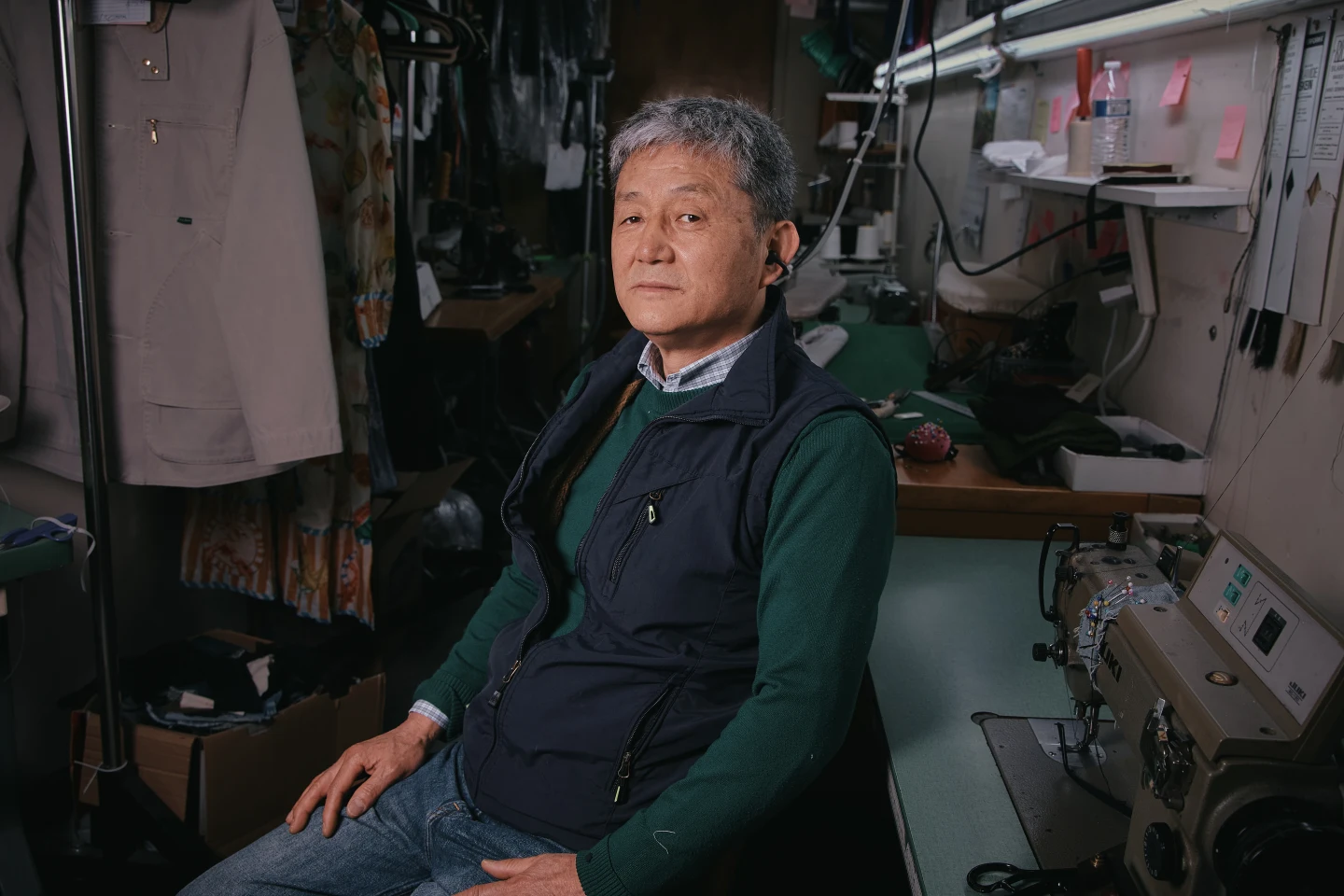
NEW YORK — Kil Bae, a tailor in Manhattan, encapsulates a growing trend where shoppers are seeking custom alterations for their off-the-rack fashion finds rather than settling for fast fashion disposables.
Recently, a modeling agent brought in a vintage Tommy Hilfiger jacket bought at a thrift store for just $20, ready to pay $280 for significant adjustments. Bae notes that such drastic pricing variations for tailoring services are becoming increasingly common.
This interest comes as the fashion landscape shifts towards sustainability and individuality, with many shoppers looking to extend the life of their clothes or add personal flair to standard pieces. Young consumers who once prioritized disposable clothing are reviving the age-old practice of turning to tailors for custom fits. With weight-loss drugs making the rounds, there's also a high demand for adjusted clothing sizes.
Despite this newfound interest, the tailoring profession faces a labor shortage. The average age of a tailor in the U.S. is rising, and the industry is struggling to attract new talent. Scott Carnz from LIM College emphasizes that current fashion training focuses more on mass production rather than the intricate work of custom tailoring, making it tough for young people to consider this vocation.
Efforts are being made to revitalize this skilled trade. Notably, Nordstrom has partnered with the Fashion Institute of Technology to offer advanced sewing and alteration training, aspiring to cultivate a new generation of tailors.
With a rise in demand, retailers like Brooks Brothers are expanding their bespoke tailoring services, showcasing a thriving market for custom fashion. Although Bae hopes to pass on his skills, he finds many young people gravitate towards tech jobs instead, leaving the question of who will take over this craft in the future.