In brief
A 18‑year‑old woman in Sheberghan has asked governor Abdullah Sarhadi for a divorce, accusing her husband of abuse, but the governor’s comments hint at the Taliban’s harsh stance on women. Sarhadi also reveals that officials are barred from using smartphones, slowing down work and showing how the new ruler’s rules keep power tight. Meanwhile, former Taliban fighters now sit in government roles while recalling days of bomb attacks, and staff in Kandahar keep radios silent and women’s voices unheard in public broadcasts. The story underscores how, five years after the Taliban seized power, women’s education and freedom of speech remain deeply restricted while the regime insists on a strict Sharia-based order.
Inside Afghanistan’s new government, we found a clash of freedoms and rules.
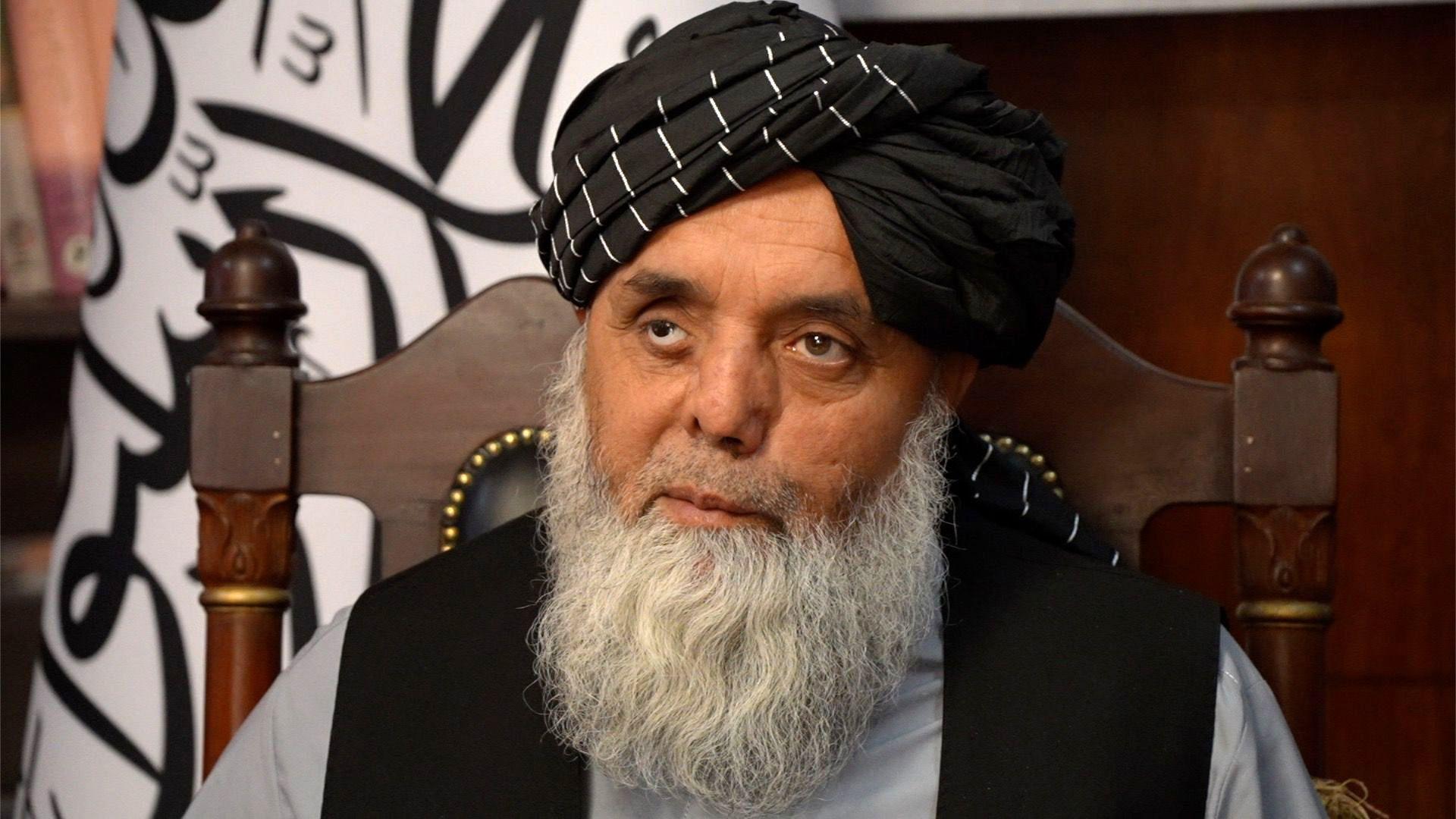
In a quiet office in Sheberghan, a young woman named "Tuba"—the name she’s forced to use—asked governor Abdullah Sarhadi for a divorce after months of abuse. The governor replied that women are “mindless” and that divorce would jeopardise their dignity, hinting at the Taliban’s strict interpretation of Sharia that still limits women’s rights.
During the same interview, Sarhadi admitted that officials are banned from using smartphones, slowing down communication. “Before you could send a quick message… and get an answer fast,” he explained, showing how the new rules keep power centralized and people on the sidelines.
Beyond the office, former Taliban commanders now hold top posts. Former insurgent Habibullah Badr—once behind suicide attacks—now drives an armored car in Kabul and reveals a cautious stance about his past, afraid of re‑opening old wounds.
The Taliban’s control extends into the media too: the national spokesman, Zabihullah Mujahid, insists that all broadcasting must reflect “Sharia law”, limiting journalism and women’s voices.
In the south, the climate is even tougher with no music allowed on radio, no women’s voices heard, and aerial footage banned. Meanwhile, the Taliban’s former fighters, now guard posts, visit old cave re‑infiltration sites, and the ruling council refuses to address growing poverty and unemployment in the rural south.
The story is a reminder that while the Taliban claims it protects society, the reality remains a mix of ongoing restrictions on women, limited access to education, and an education system still under strict Sharia control.